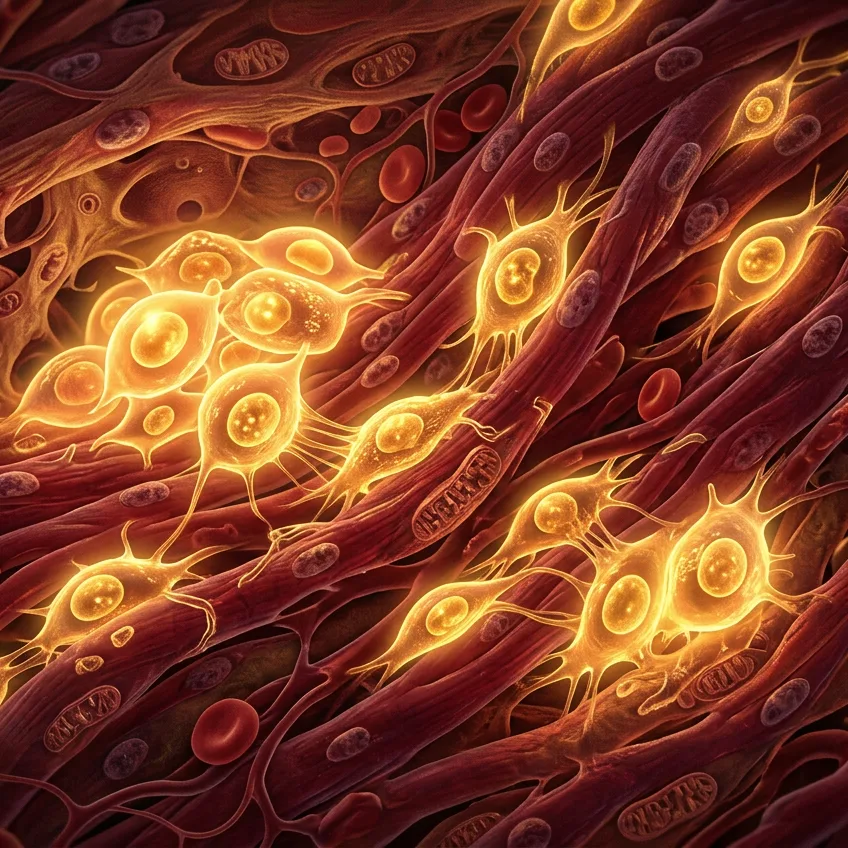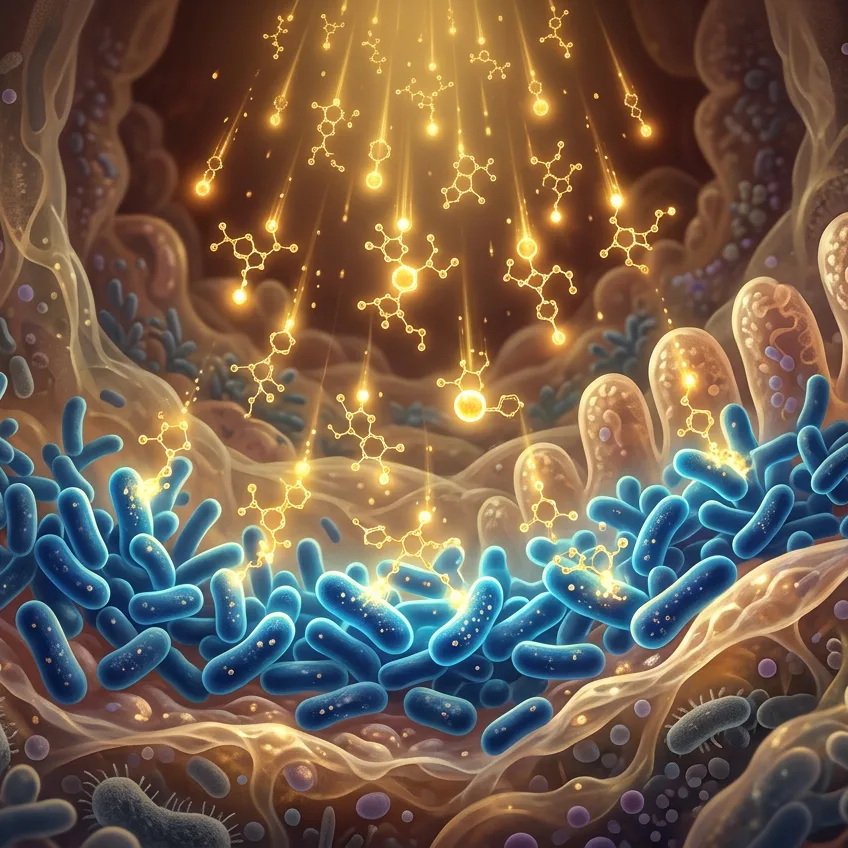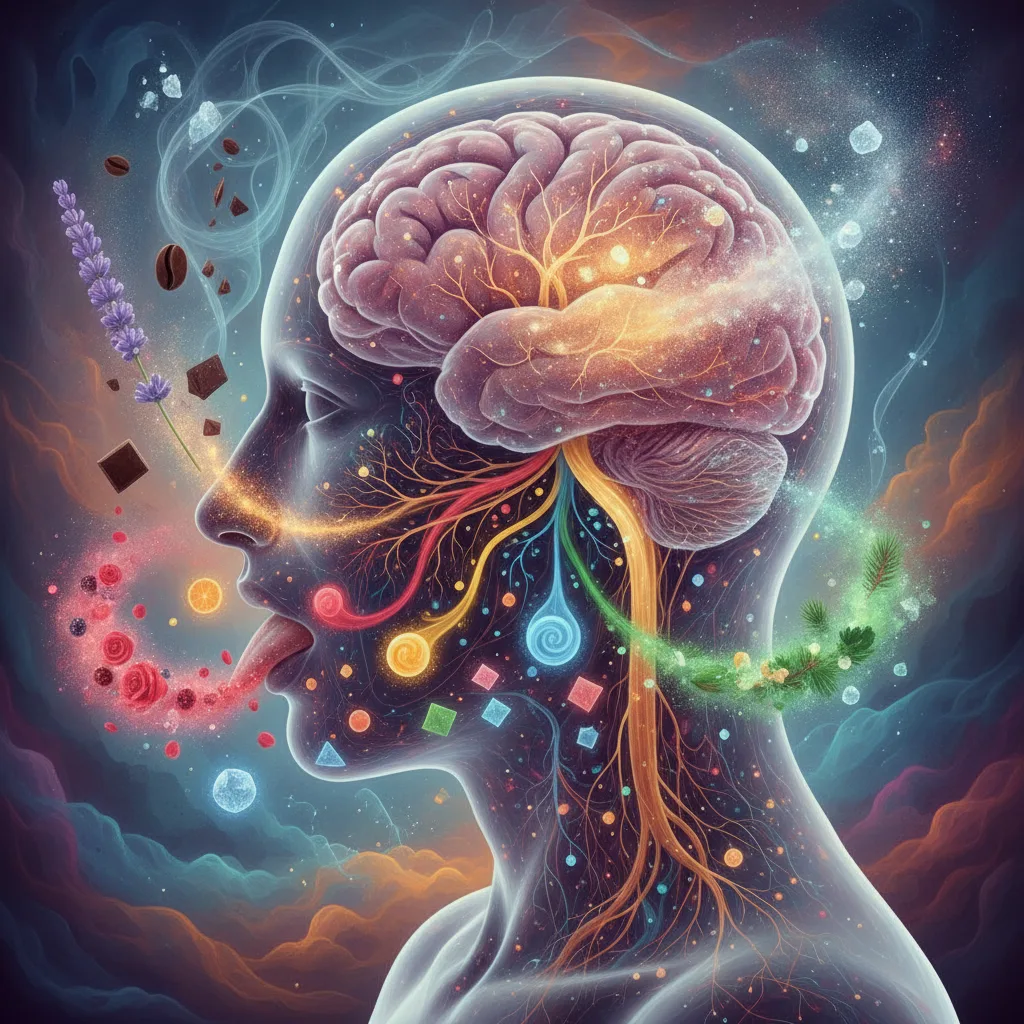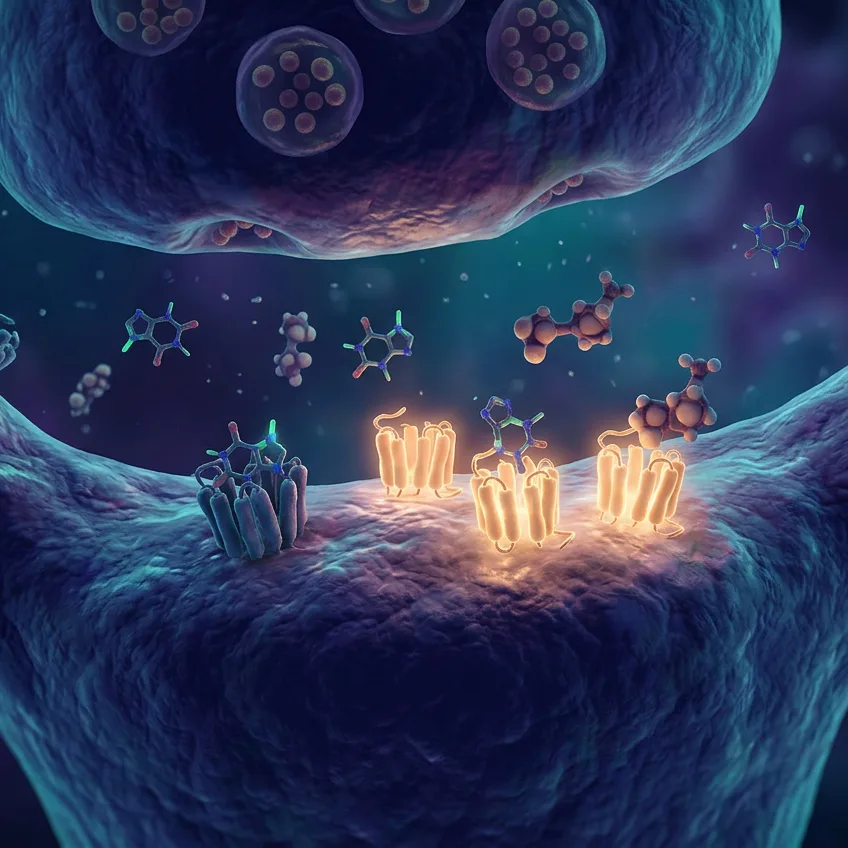
From the moment you open your eyes in the morning, your brain starts an invisible biochemical stopwatch. Every time your neurons consume energy in the form of adenosine triphosphate (ATP), they release a fundamental metabolic byproduct: adenosine. As waking hours progress, this molecule steadily builds up in the extracellular space of the basal forebrain, binding to specific receptors (mainly A1 and A2A) to slow neuronal firing and generate what neurobiologists call homeostatic sleep pressure.
This mechanism is where the most consumed psychoactive substance on Earth comes into play: caffeine. Thanks to a remarkable chemical similarity to adenosine, caffeine fits precisely into those same neuronal receptors, acting as a competitive antagonist. By occupying the receptor without activating it, it physically blocks adenosine from transmitting its exhaustion signal:
- The artificial vigor trap: Caffeine does not produce genuine metabolic energy; it only silences the biological indicator that warns the body of its need to rest.
- The silent accumulation: While caffeine keeps the receptors blocked, the brain continues working and producing more adenosine, which floats freely on standby.
- The inevitable crash: When liver enzymes metabolize the caffeine (which has a half-life of around 5 to 7 hours), the accumulated tide of adenosine floods the freed receptors en masse, unleashing overwhelming fatigue.
The only evolutionary pathway to clear and recycle this fatigue marker is deep slow-wave sleep. Understanding this circuit shows that biological sleep debt is never canceled with stimulants: it is merely postponed with metabolic interest.
Source: Sleep Medicine Reviews / Harvard Division of Sleep Medicine (Neurochemistry of sleep homeostasis and adenosine receptors)