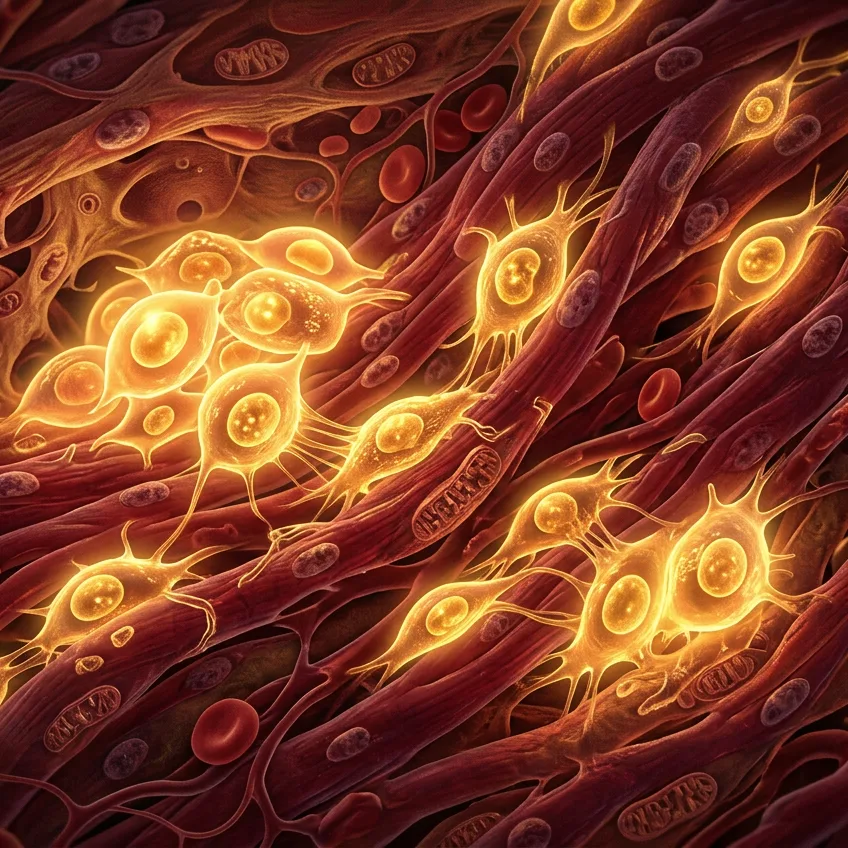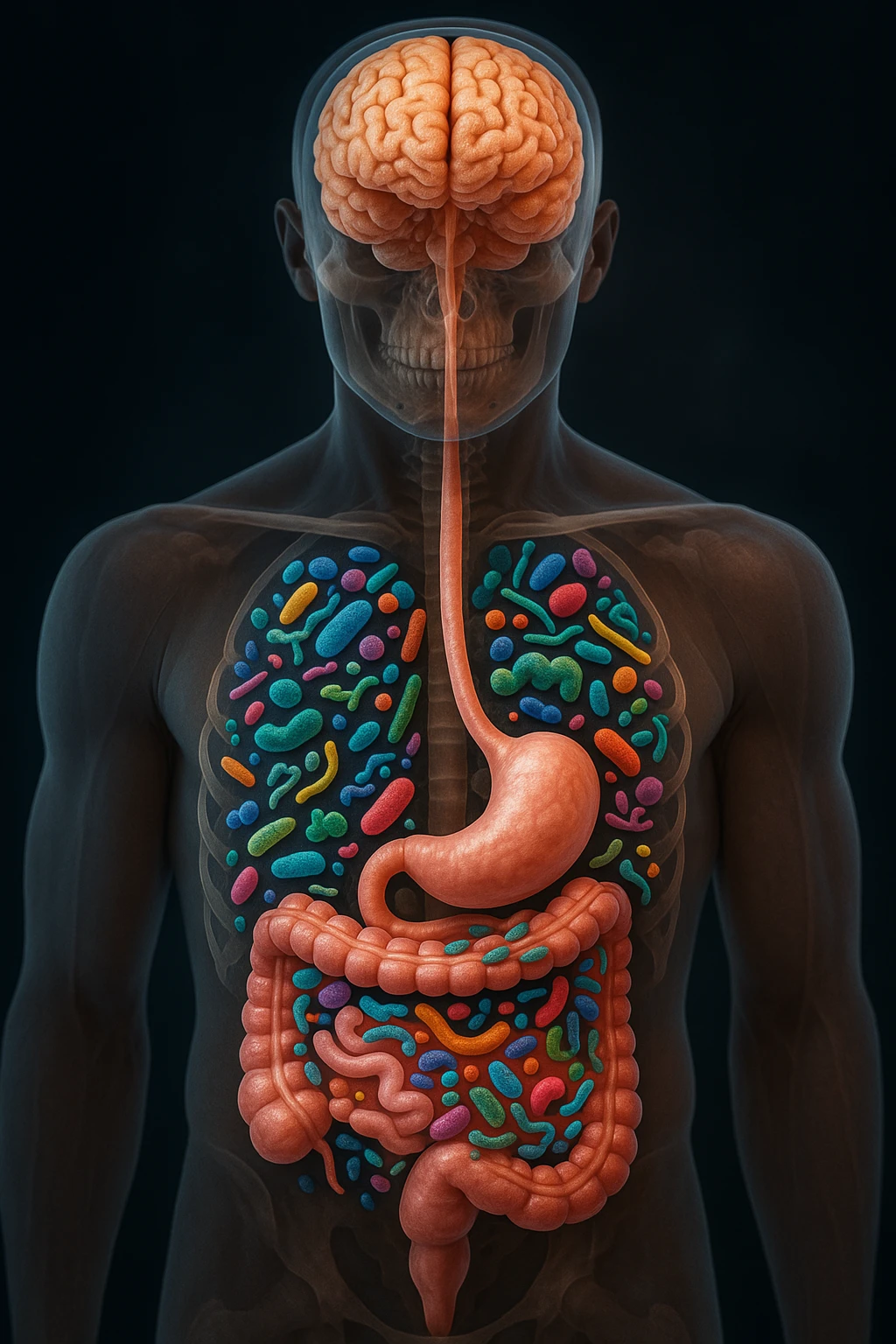
Behind the breastbone lies the thymus, a gland that functions as human biology's most demanding military academy. That is where T lymphocytes mature, the shock cells responsible for neutralizing pathogens and tumor cells. However, to keep these microscopic weapons from mistaking your own tissues for invaders, the body uses an astounding molecular feat: a complete body simulator orchestrated by a protein called AIRE (Autoimmune Regulator).
Under normal conditions, a cell only produces the proteins that correspond to its specific function: pancreatic beta cells produce insulin and retinal cells produce rhodopsin. Nevertheless, the thymic epithelial cells defy this basic genetic rule. Thanks to the transcription factor AIRE, they can activate and express thousands of proteins belonging to completely distant organs: they synthesize samples of thyroid, brain myelin, gastric mucosa, and tooth enamel.
This process subjects young lymphocytes to an unforgiving exam:
- Negative selection: As T lymphocytes patrol the thymus, they are exposed to this exhaustive catalog of proteins from across the entire body.
- Mass purges: If a developing lymphocyte reacts aggressively against any of these self-tissues, it receives the order to self-destruct through apoptosis.
About 95% of produced lymphocytes fail this quality control and are destroyed in the process. Mutations that disable the AIRE gene cause a devastating multisystem autoimmune condition (APECED syndrome), showing that without this sophisticated internal molecular map, our own defenses would ravage the body within weeks.
Source: Nature Reviews Immunology / The New England Journal of Medicine (central tolerance and genetics studies of autoimmune polyendocrine syndrome type 1)