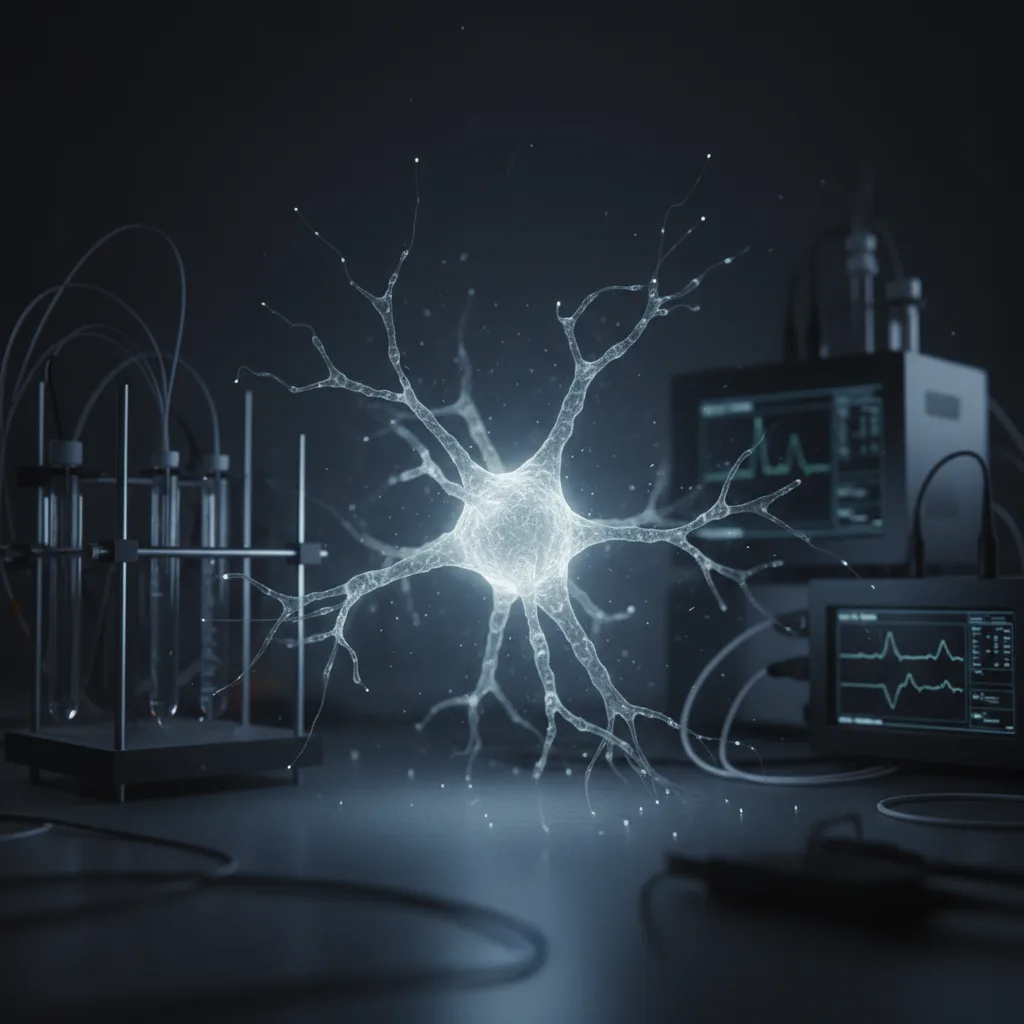
Imagine that every cell in your body, every tissue, every organ, not only lives and breathes, but also emits an extremely faint light, a kind of biological glow that is invisible to the human eye. This is not science fiction, but the reality of biophotons: spontaneous, coherent light emissions originating from the metabolic processes of all living beings, from bacteria to humans.
Unlike bioluminescence (the glow of fireflies or jellyfish), which is a visible enzymatic reaction, biophotons are ultra-weak photons produced continuously. They are believed to be byproducts of biochemical reactions and energy metabolism, such as DNA repair or oxidation processes. Detecting them is a technological challenge that requires ultra-sensitive CCD cameras and completely dark environments, capable of capturing just a few photons per second and square centimeter.
Research into biophotons is opening up fascinating new avenues. The patterns of this light can vary significantly in healthy versus diseased cells, suggesting a revolutionary potential for the early diagnosis of diseases such as cancer, inflammation, or neurodegenerative disorders. Their role in intercellular communication is also being investigated, perhaps acting as a "light language" that coordinates biological functions.
Beyond medicine, biophotons could have applications in evaluating food quality (indicating freshness or stress in plants), or even in understanding complex cognitive processes. This secret light of life is an exciting frontier in biophysics, promising a new window into the most intimate mechanisms that govern our existence.
Source: Nature Communications, Journal of Photochemistry and Photobiology B: Biology, PLOS ONE