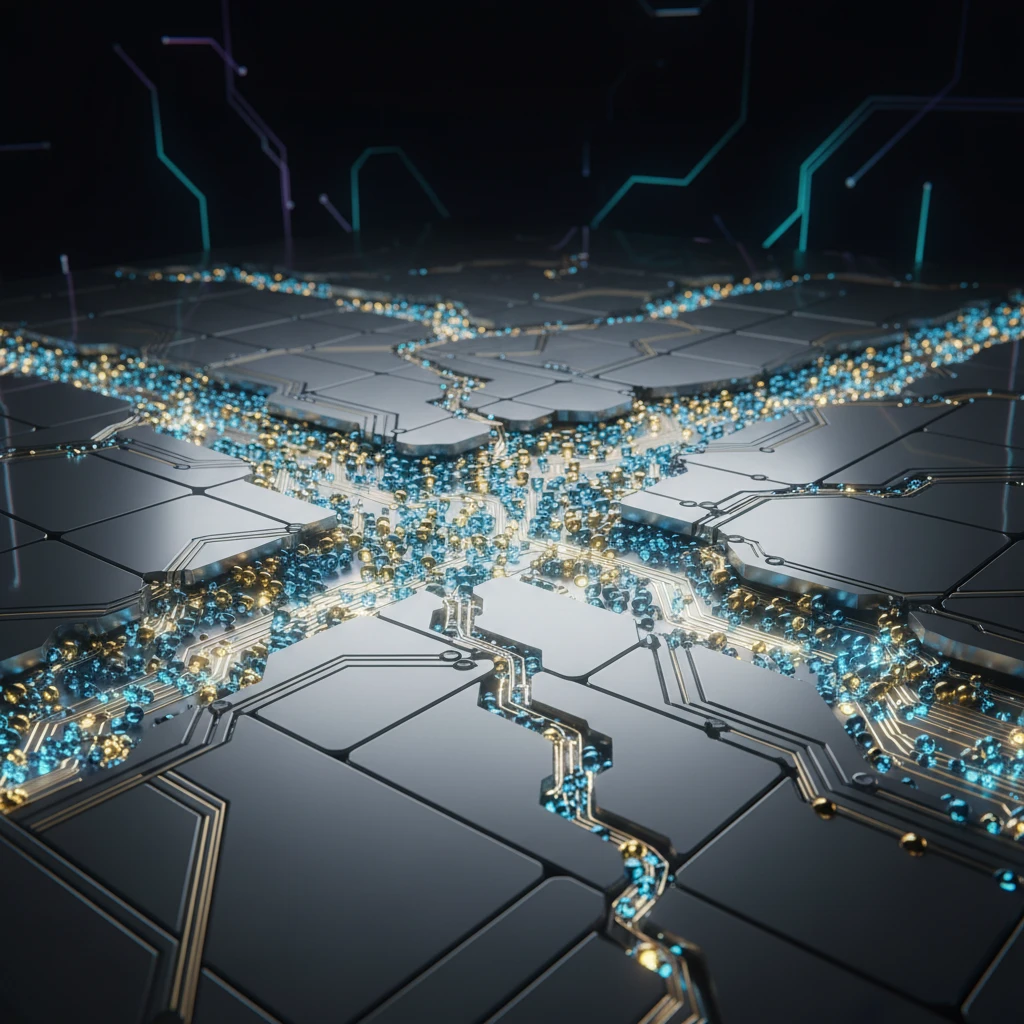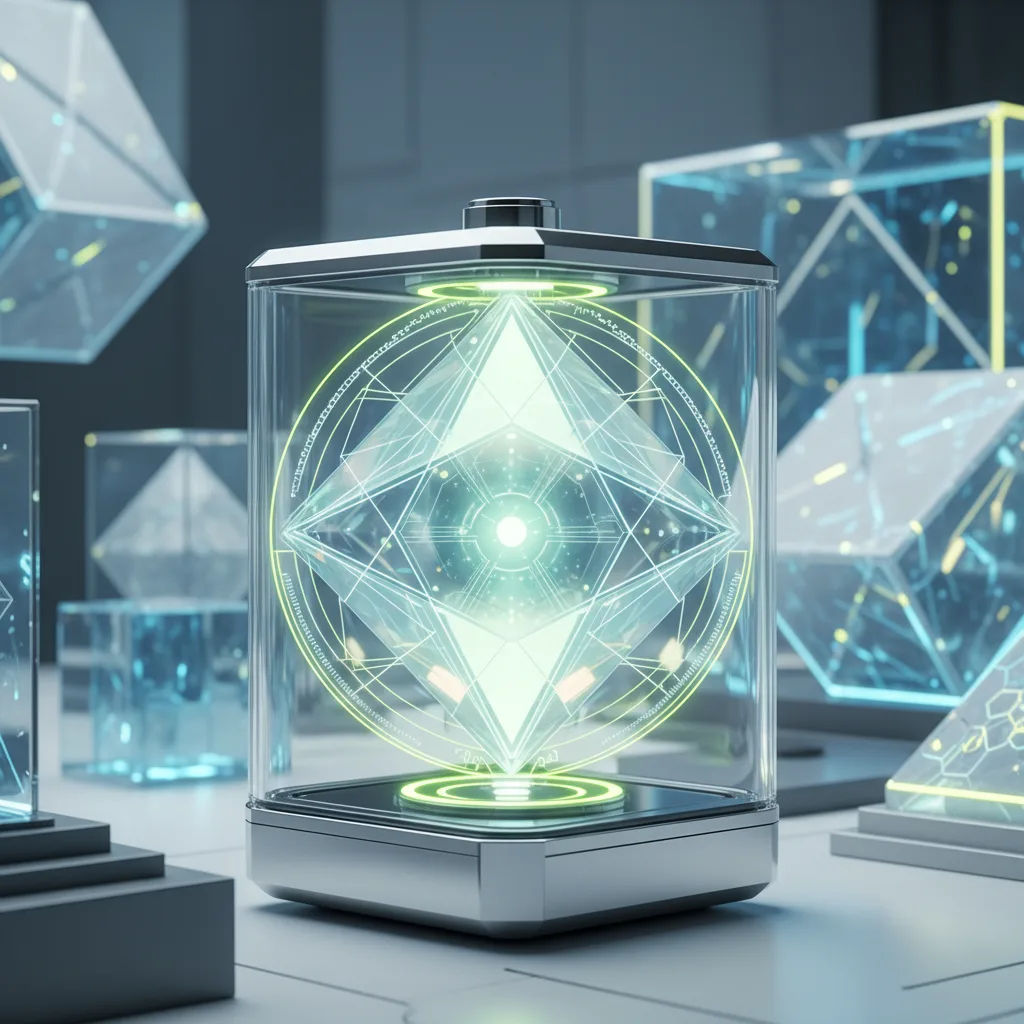
Nuclear energy, while powerful, leaves behind a persistent challenge: radioactive waste management. However, a surprising breakthrough in materials science and energy seeks to transform this problem into a solution: diamond batteries. Researchers are developing a revolutionary technology that converts long-lived radioactive isotopes, such as carbon-14 or nickel-63, into ultra-long-lasting energy sources.
The concept is based on the betavoltaic effect. By carefully encapsulating these isotopes within layers of artificial diamonds, electrons released by radioactive decay are captured and converted directly into an electric current. Diamond, being the hardest known material, acts as a perfect shield, safely and durably containing the radiation.
The most amazing aspect of these batteries is their longevity. A cell with carbon-14, for instance, could generate a small but constant amount of electricity for thousands of years, far exceeding the lifespan of any conventional battery. Their low power output makes them ideal for specific applications such as ultra-low-power electronics, medical implants, remote sensors in extreme environments, or spacecraft requiring a steady, maintenance-free power source for decades or even centuries.
This technology not only offers a new way to produce clean energy, but also presents an innovative approach to nuclear waste reuse, turning a dangerous byproduct into a valuable resource. It is a giant step toward a future where safe and sustainable energy could be as eternal as diamonds.
Source: Nature; Science; IEEE Spectrum; University of Bristol; NDB Inc.