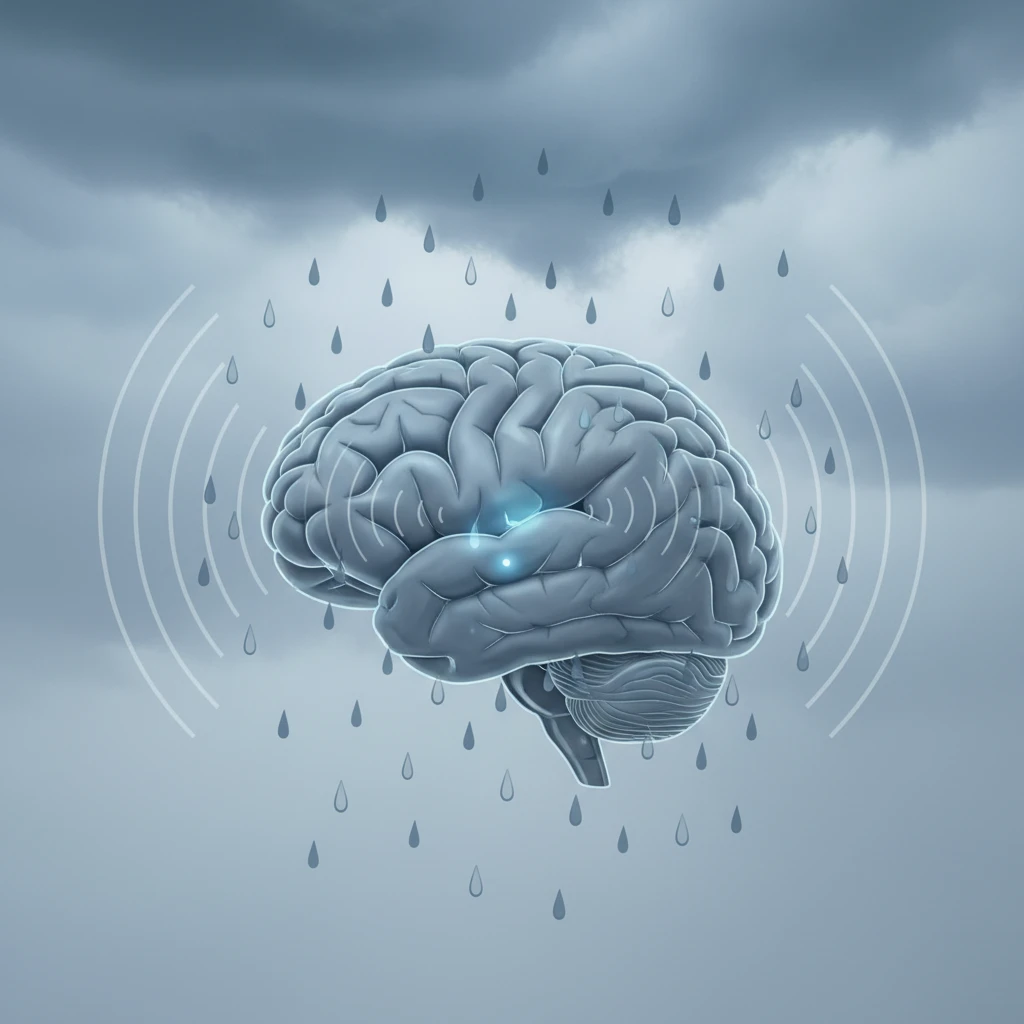
The sound of rain, that natural white noise that many find relaxing, has a deep and measurable impact on our brain. Recent research in acoustic neuroscience has shown that the irregular yet rhythmic patterns of dripping rain trigger a deep relaxation response in the central nervous system, similar to the effects of meditation.
A study published in the journal Brain Stimulation in 2022 found that a 30-minute exposure to high-fidelity recordings of moderate rain increased connectivity between the prefrontal cortex and the amygdala, reducing the activity of the latter by 23%. The amygdala, known as the center of fear and anxiety, showed a decrease in the production of cortisol, the stress hormone.
- Acoustic neuroplasticity: The brain physically rewires itself, strengthening synapses associated with states of calmness.
- Therapeutic frequency: The sound of rain falls in the range of 1,000 to 5,000 Hz, considered optimal for relaxation.
- Cumulative effect: Regular exposure (3 times a week) showed a 17% reduction in baseline anxiety levels in participants.
This phenomenon, termed "environmental sound-induced neuroplasticity", suggests that our brain is hardwired to respond positively to certain natural patterns, evolutionarily associated with safe environments and abundant resources. Rain, by signaling fresh water and the decrease of active predators, becomes a biological cue of safety.
Source: Study: 'Acoustic rain sounds modulate amygdala-prefrontal connectivity and reduce stress responses' - Brain Stimulation (2022). Lead researcher: Dr. Hideki Shinoda, University of Tokyo.