During pregnancy, the biological connection between a mother and her child goes far beyond the exchange of nutrients and oxygen. Through a fascinating phenomenon known as fetal microchimerism, pluripotent cells from the fetus cross the placenta and enter directly into the maternal bloodstream, spreading throughout her body.
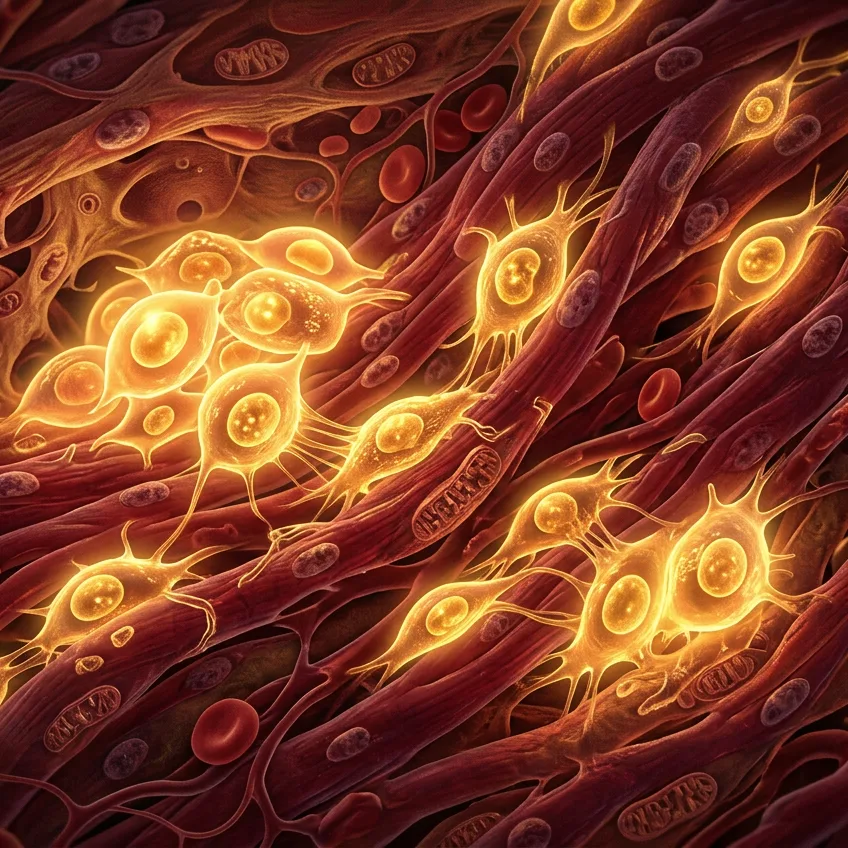
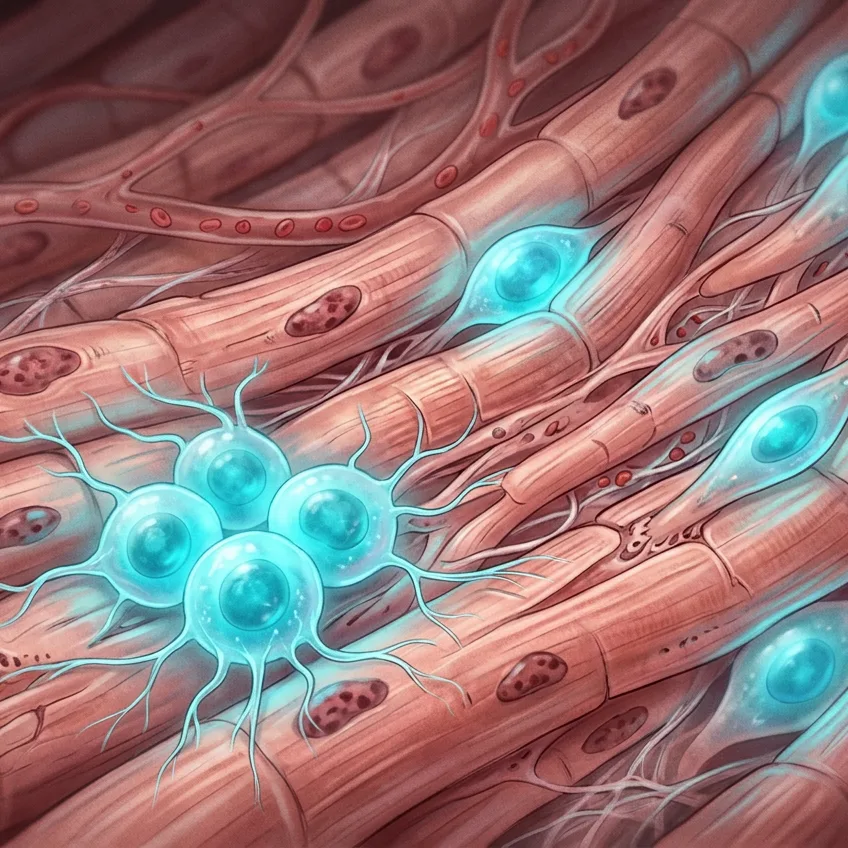
The amazing thing is that these cells are not eliminated by the mother's immune system, but instead integrate into her organs and remain alive there for decades, transforming the woman into a true biological chimera. Several studies, such as those from the Fred Hutchinson Cancer Research Center in Seattle, have detected cells with a male Y chromosome in the brain, liver, skin, and heart of women years after giving birth to a boy.
Far from being silent passengers, these cells act like a microscopic medical repair squad:
- Heart repair: If the mother suffers an injury or a heart attack, fetal cells quickly migrate to the damaged area and differentiate into functional cardiomyocytes to restore heart tissue.
- Advanced wound healing: They promote collagen production and accelerate the closure of surgical wounds, including cesarean section incisions.
- Immune surveillance: They actively participate in strengthening defenses and early detection of certain tumors.
Even decades after childbirth, a mother's body preserves a living cellular legacy of her children, ready to intervene and heal her vital organs in any physiological emergency.
Source: Fred Hutchinson Cancer Research Center & The American Journal of Medicine