During the nine months of gestation, the exchange between mother and fetus is not limited to oxygen and nutrients. Across the placental barrier, a constant two-way cell migration occurs, known as fetal microchimerism. Decades after giving birth, a mother still harbors pluripotent cells in her bone marrow, lungs, skin, and even her brain with the exact DNA of her children.
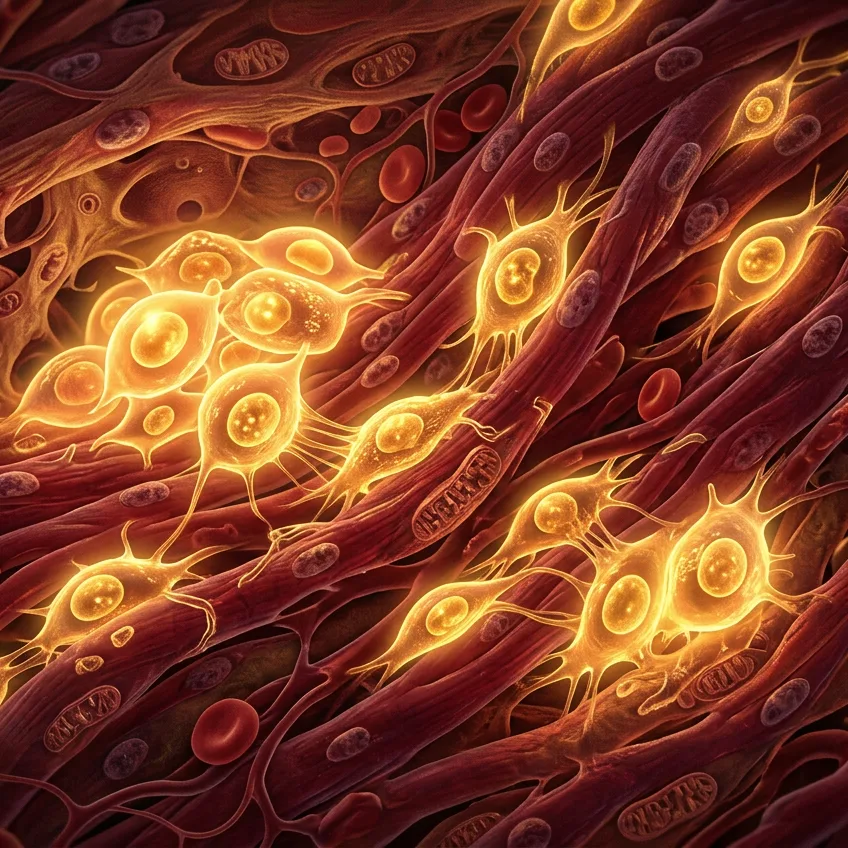
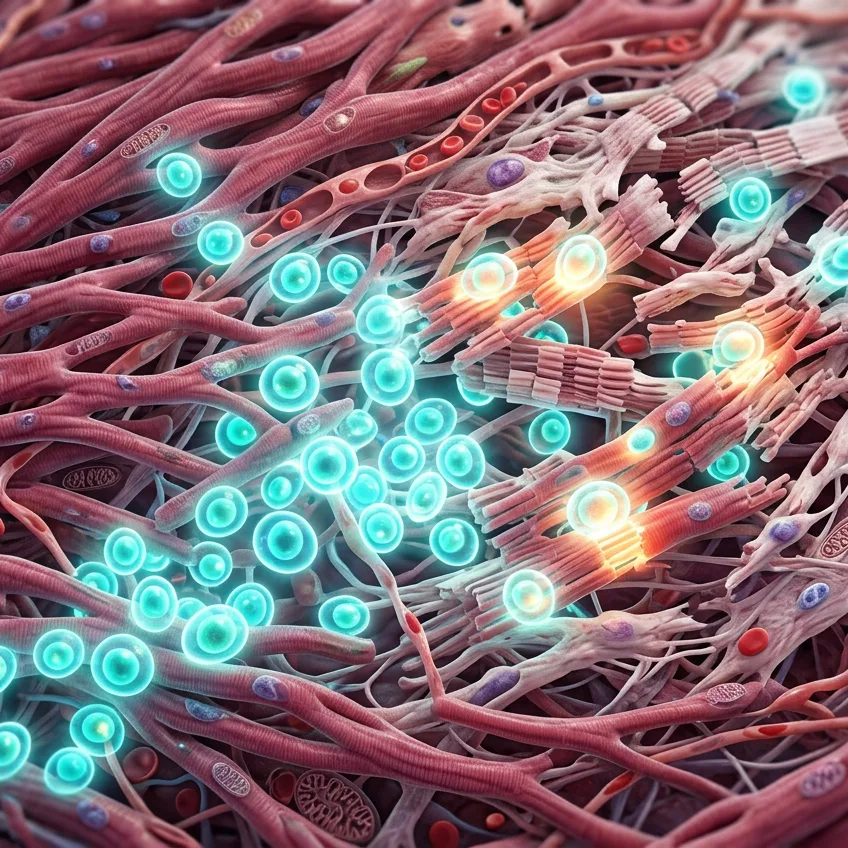
Far from being mere inert biological debris, these cells often act like a microscopic medical emergency crew. Several cardiology studies have shown that when a woman who has been a mother suffers severe tissue damage—such as a myocardial infarction—dormant fetal cells awaken, migrate toward the injury site, and differentiate into functional cardiomyocytes and endothelial cells to repair damaged muscle tissue.
This phenomenon, first documented with genetic rigor in the late 20th century by discovering Y chromosomes in organs of women who had carried male fetuses, confers astonishing biological advantages:
- Accelerated healing: They flock to surgical wounds (such as cesarean incisions), producing active collagen.
- Immune surveillance: They can collaborate with maternal defenses, recognizing and destroying precancerous cells.
- Tissue longevity: Perfectly viable fetal cells have been detected in the brains of women over 90 years old.
In biological terms, gestation turns a woman into a permanent genetic chimera, carrying a living cell patrol that protects her for the rest of her life.
Source: Circulation Research / Mount Sinai School of Medicine