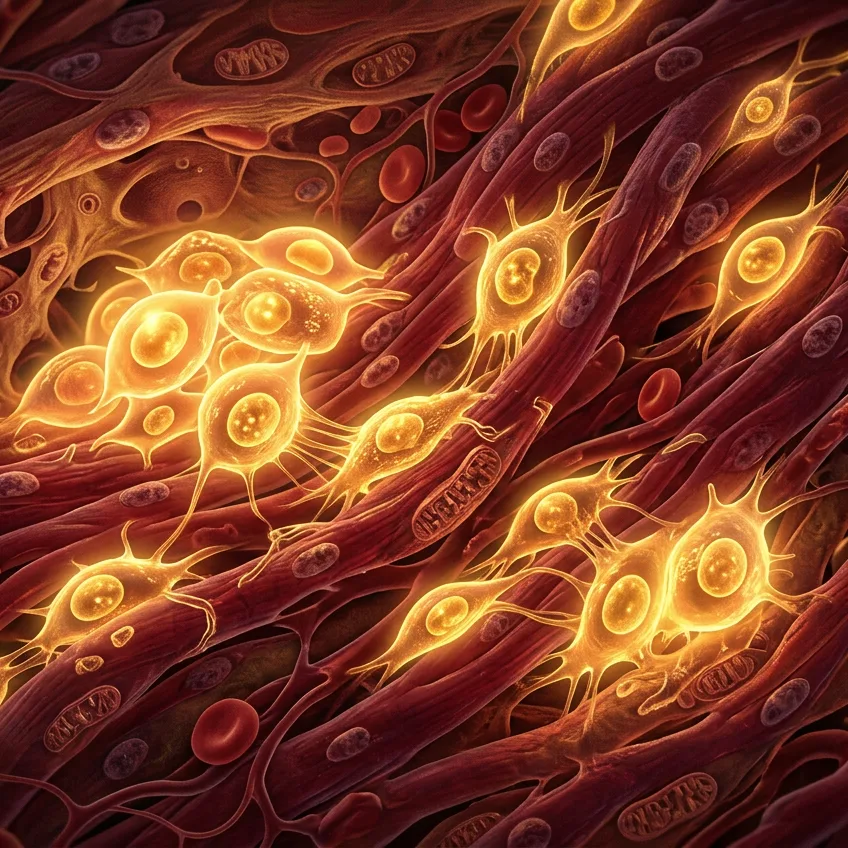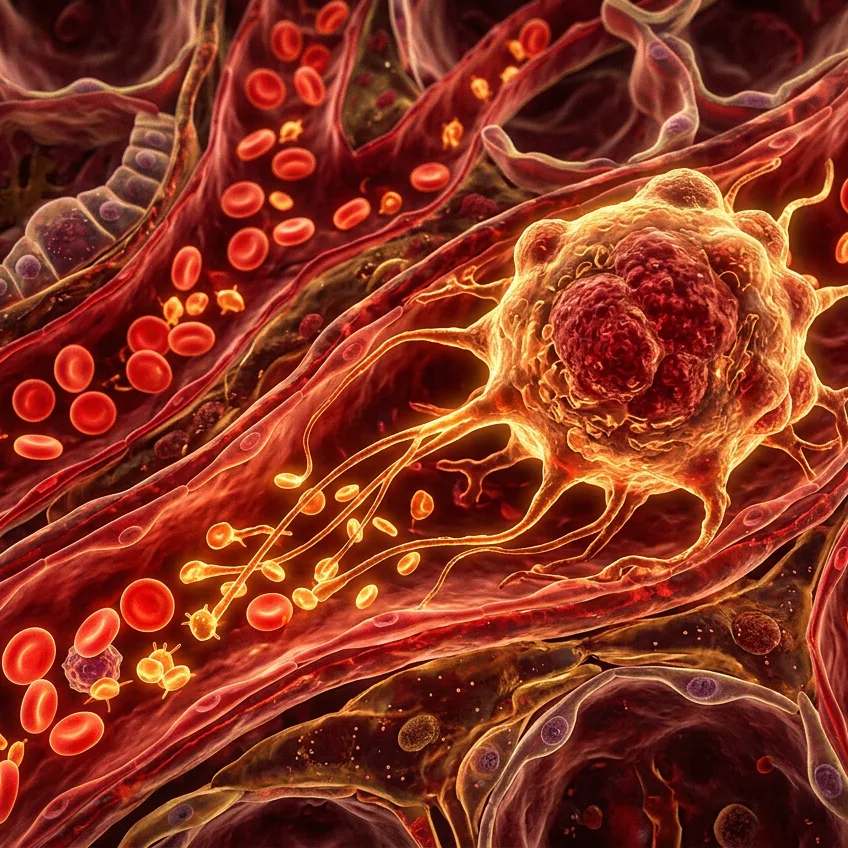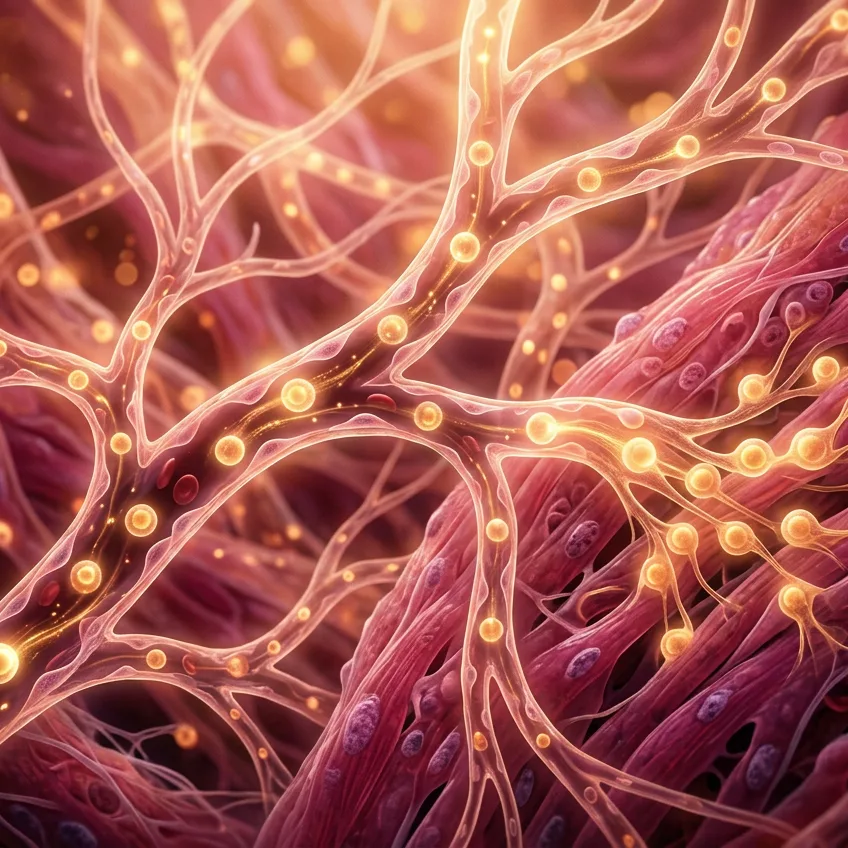
For decades, the placenta was thought to act as a strict and impenetrable barrier between mother and fetus. However, modern biology has revealed an astonishing phenomenon called fetal microchimerism: throughout gestation, millions of embryonic stem cells migrate through the maternal bloodstream and settle in her tissues, where they can remain alive for more than 30 or 40 years after childbirth.
These fetal cells are not merely inactive passengers. They possess remarkable pluripotent plasticity and act as true biological emergency crews. Clinical research has shown that, if the mother suffers tissue injury or organ damage, her child's cells detect inflammatory signals, travel to the site of the problem, and differentiate into specialized cells:
- Cardiomyocytes: In cases of maternal heart attack or heart failure, fetal cells migrate to the damaged heart and transform into functional contractile muscle tissue.
- Advanced healing: They accelerate collagen production and angiogenesis in skin wounds and cesarean section scars.
- Neuronal integration: Fetal cells have been found in the maternal cerebral cortex differentiated into functional neurons and astrocytes.
Although this foreign genetic graft can rarely induce autoimmune responses, evolutionarily it represents a fascinating cooperative biological mechanism: the fetus actively invests in the long-term survival of its host. After giving birth, a mother's body retains a living, protective remnant of each of her children.
Source: Circulation Research / Nature Medicine