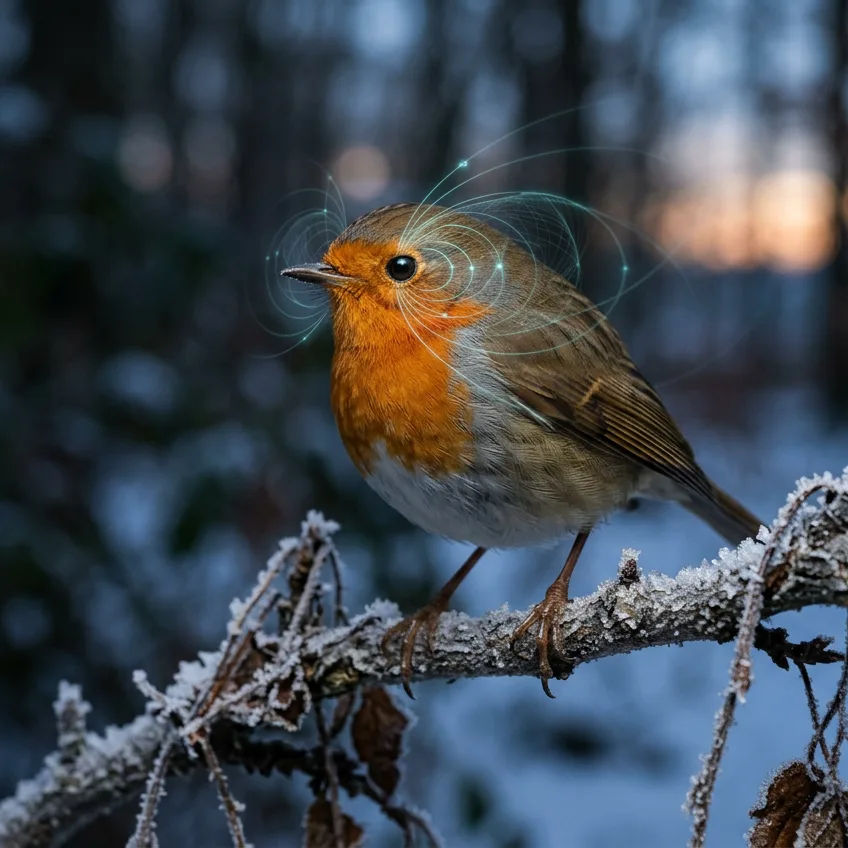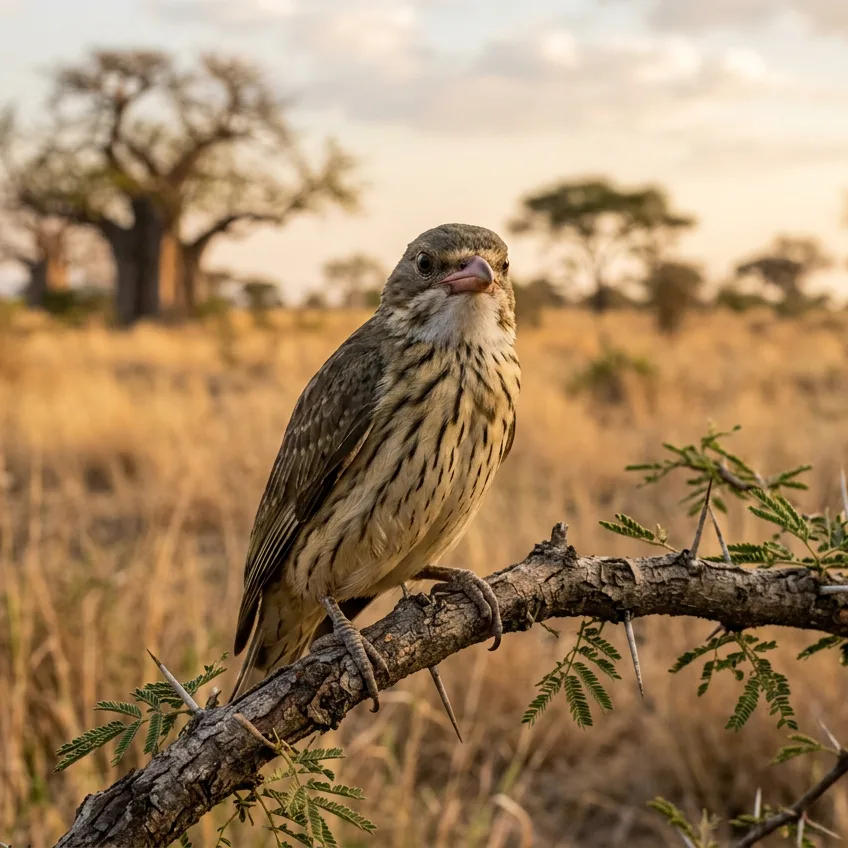
In the animal kingdom there are astonishing symbiotic partnerships, but the case of the greater honeyguide (Indicator indicator) is unique on the planet: it is the only wild, non-domesticated animal that maintains two-way communication and active cooperation with free humans.
This small African bird has an irresistible weakness for beeswax and the larvae hidden inside beehives located in the trunks of baobabs or acacias. Lacking the strength to open the trunks and unable to withstand massive stings, the bird seeks the help of local tribes such as the Hadza in Tanzania or the Yao in Mozambique. When a human gatherer makes a specific whistle or call—passed down from generation to generation, such as the traditional "brrr-hm"—the bird responds with a characteristic chatter and flits from branch to branch directly toward the insect nest.
The joint expedition is pinpoint accurate: as they near the hive, the bird shortens the intervals between its calls and perches lower. Once there, the hunters smoke out the swarm, chop the tree open with axes, and harvest the honey. As an undisputed reward, they leave honeycombs exposed for the bird, which carries specialized bacteria in its digestive system capable of breaking down pure wax, something nearly impossible for other vertebrates.
A study published in the journal Science in 2016 showed that this cultural partnership is not accidental: using the traditional sound triples the likelihood of the bird cooperating, cementing one of the most fascinating and ancient interspecies hunting traditions in human evolution.
Source: Science (Spottiswoode et al., 2016: 'Reciprocal signaling in honeyguide-human mutualism')