For decades, biochemists faced a puzzling evolutionary paradox: the third most abundant solid component of human breast milk, after lactose and fats, is human milk oligosaccharides (HMOs). However, a newborn's digestive system completely lacks the enzymes needed to break them down and absorb them. For direct nutritional purposes, they are invisible calories to the infant.
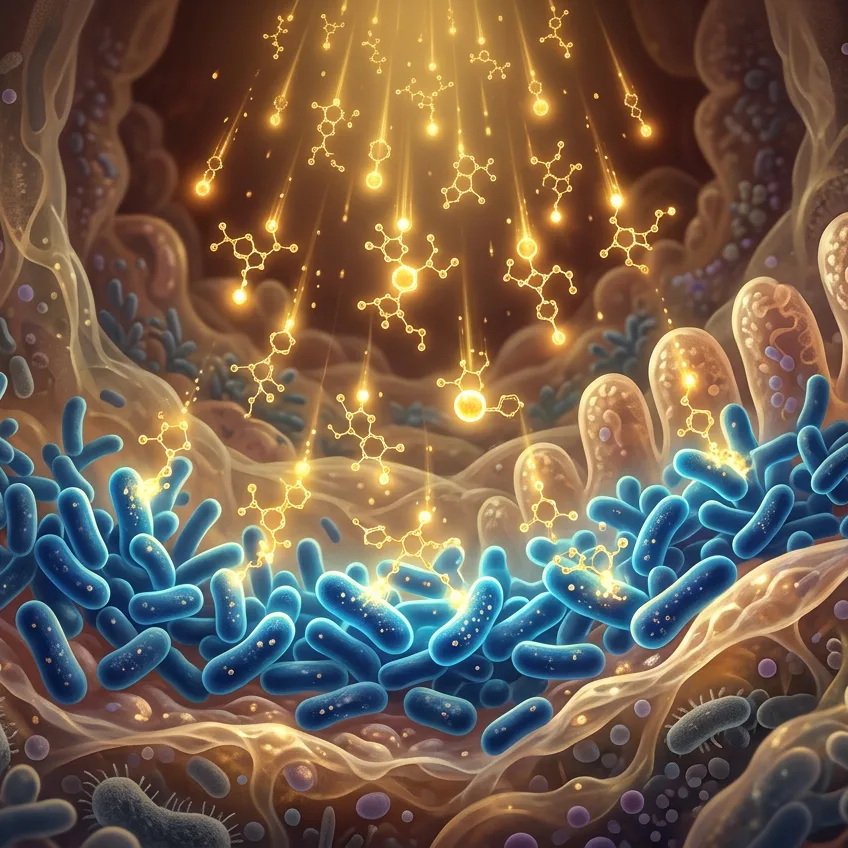
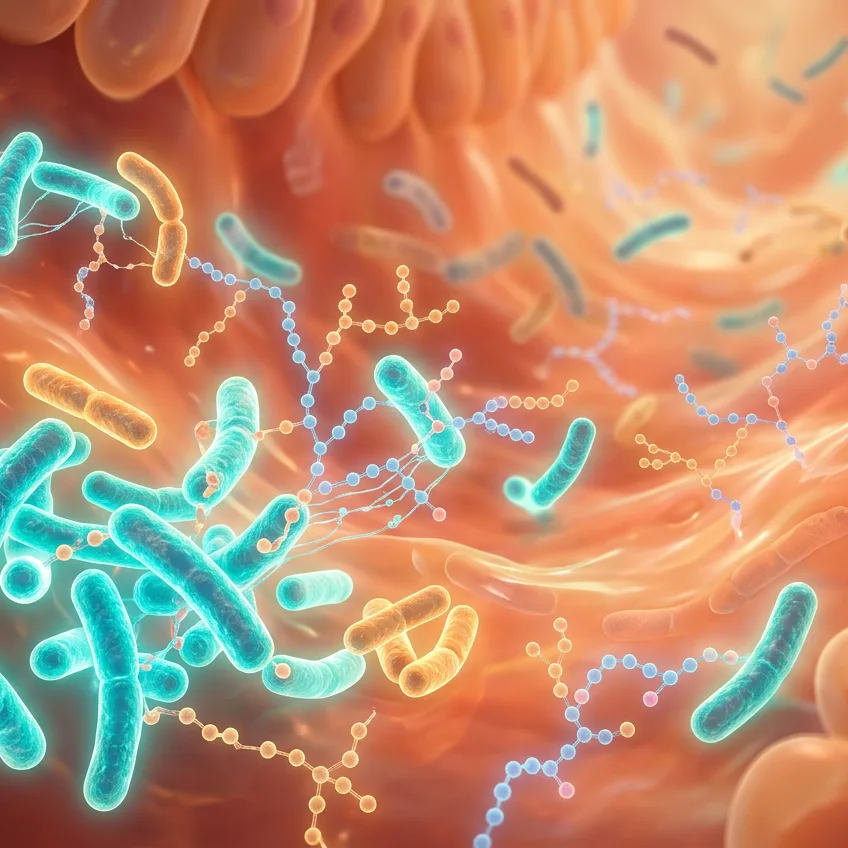
Why did evolution select for a mother to invest up to 10% of her milk metabolic energy into synthesizing more than two hundred types of complex sugars that her own child will excrete intact? The answer transformed neonatal medicine: HMOs are not designed to feed the baby, but to nourish their protective microbial army, especially the bacterium Bifidobacterium longum subsp. infantis.
This beneficial microbe possesses a unique genetic repertoire to consume HMOs. By fermenting them, it produces large amounts of short-chain fatty acids that nourish the baby's intestinal cells, strengthen tissue tight junctions, and acidify the pH of the colon, creating a hostile barrier against dangerous pathogens like Escherichia coli or Salmonella.
On top of that, HMOs act as molecular decoys. Their structure mimics the cell receptors that harmful viruses and bacteria bind to; invading microbes mistakenly attach to these floating sugars and are flushed out in the stool without causing an infection. Breastfeeding does not just nourish a human being: it actively cultivates a defensive symbiotic ecosystem.
Source: Cell Host & Microbe (Maternal Human Milk Oligosaccharides and Infant Gut Microbiota)