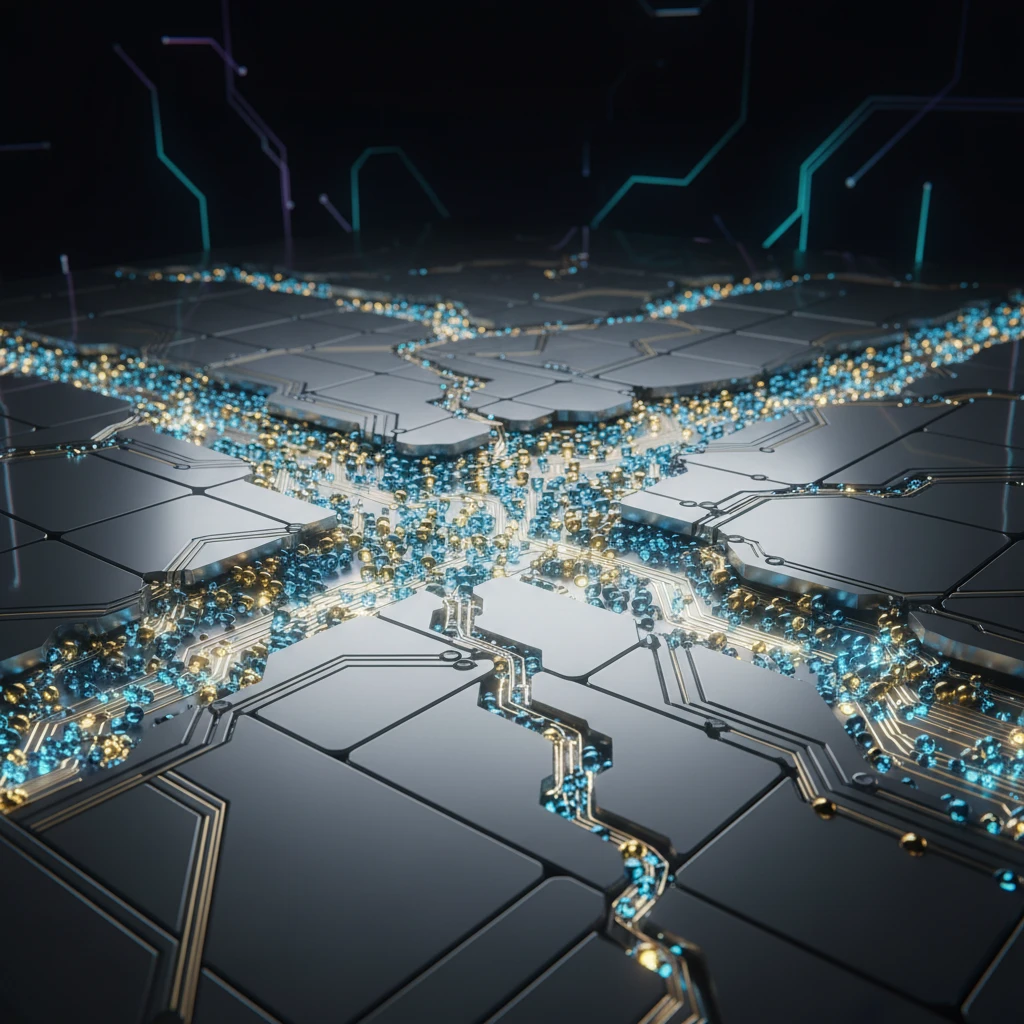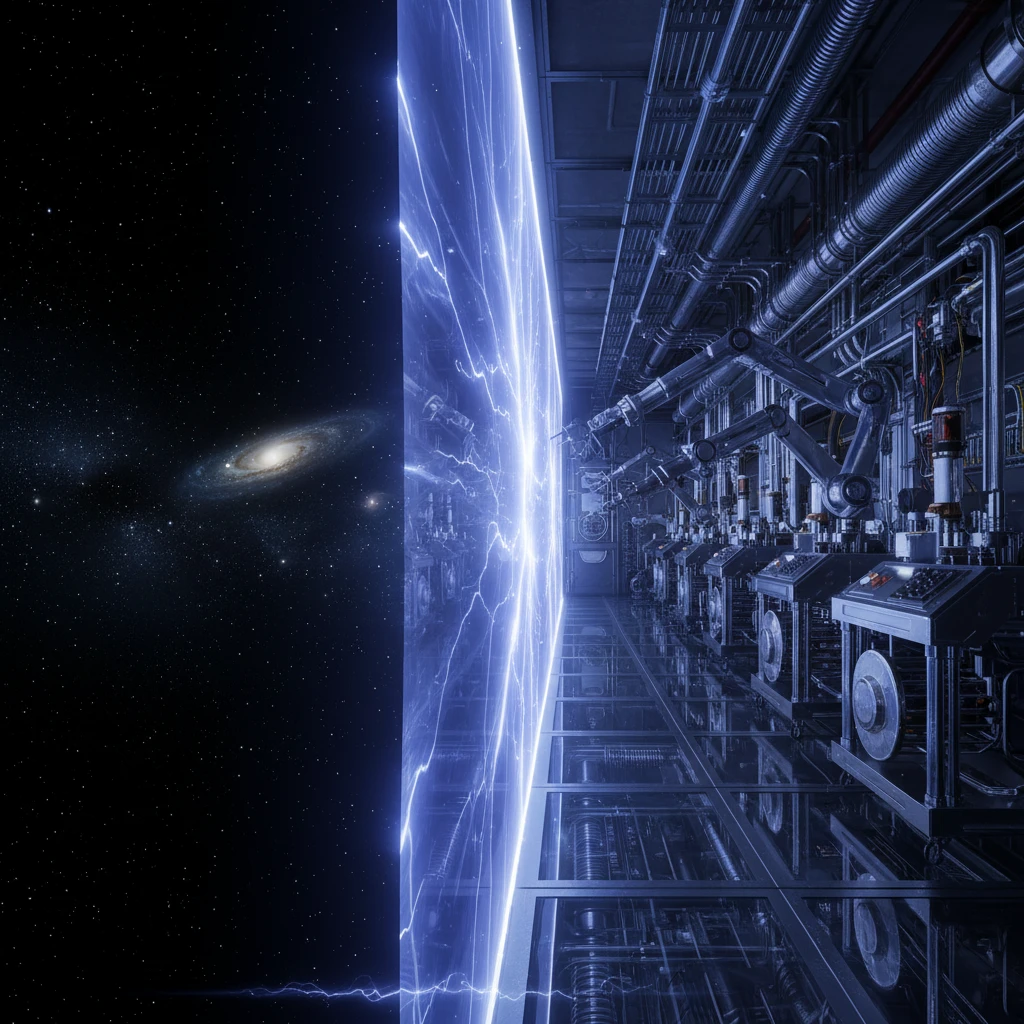
Imagine a window you cannot touch, but that still keeps two environments completely separate. It is not science fiction; it is a reality thanks to "plasma windows." At first glance, it seems impossible: how can something intangible act as a physical barrier?
The key lies in plasma, the fourth state of matter, an ionized substance where free electrons and positive ions coexist. In a plasma window device, a dense layer of this ionized gas is generated, acting as an impenetrable wall for air or gas mixtures. This "window" makes it possible, for example, to maintain an extreme vacuum on one side while the other is at atmospheric pressure, or to separate different types of gases without them mixing.
One of its most revolutionary applications is found in electron-beam welding, a process that requires a near-perfect vacuum to operate effectively. Traditionally, this meant sealing large vacuum chambers, a slow and costly process. With plasma windows, only the electron beam needs to pass through the vacuum, allowing the workpiece to be handled in a simpler environment, or even in the open air, without compromising the vacuum integrity in the electron gun.
But its uses do not end there. Research explores its potential for nuclear waste containment, the creation of new types of space propulsion, and the improvement of industrial processes that require controlled environments. These transparent, invisible windows are redefining what is possible in matter manipulation and advanced engineering, opening doors to innovations that once existed only in the imagination.
Source: Research from Princeton University, Lawrence Berkeley National Laboratory, articles on plasma technology and industrial applications.