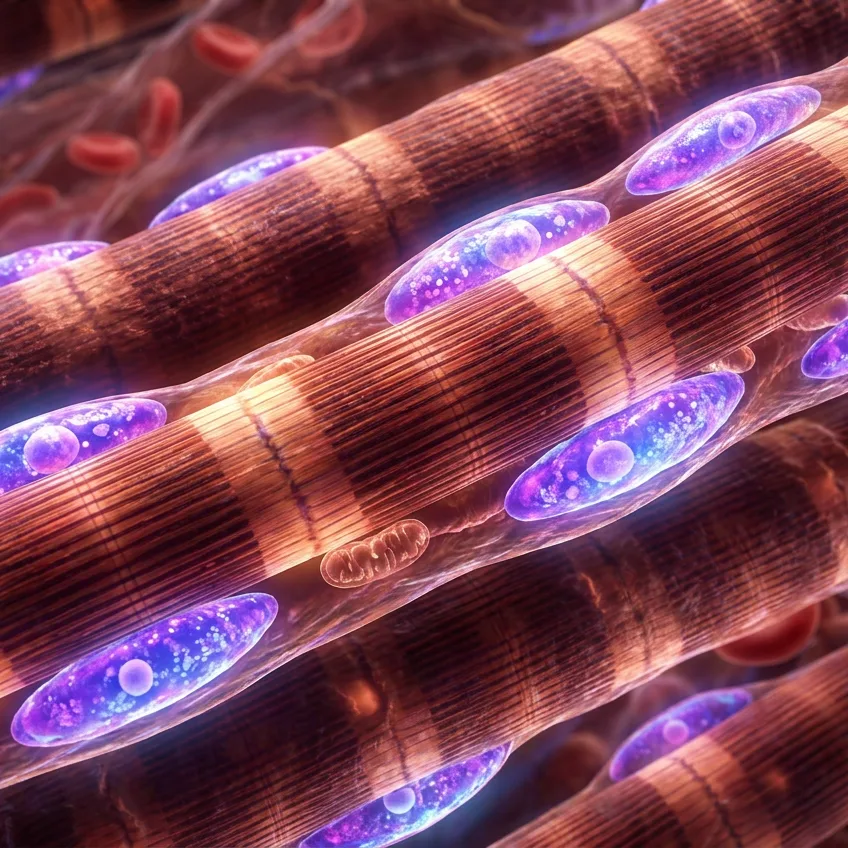
For decades, the dogma of physiology held that when a person abandoned strength training and their muscles atrophied, all cellular progress vanished. However, pioneering research led by the University of Oslo discovered that muscle tissue possesses an indelible structural memory engraved in its own DNA.
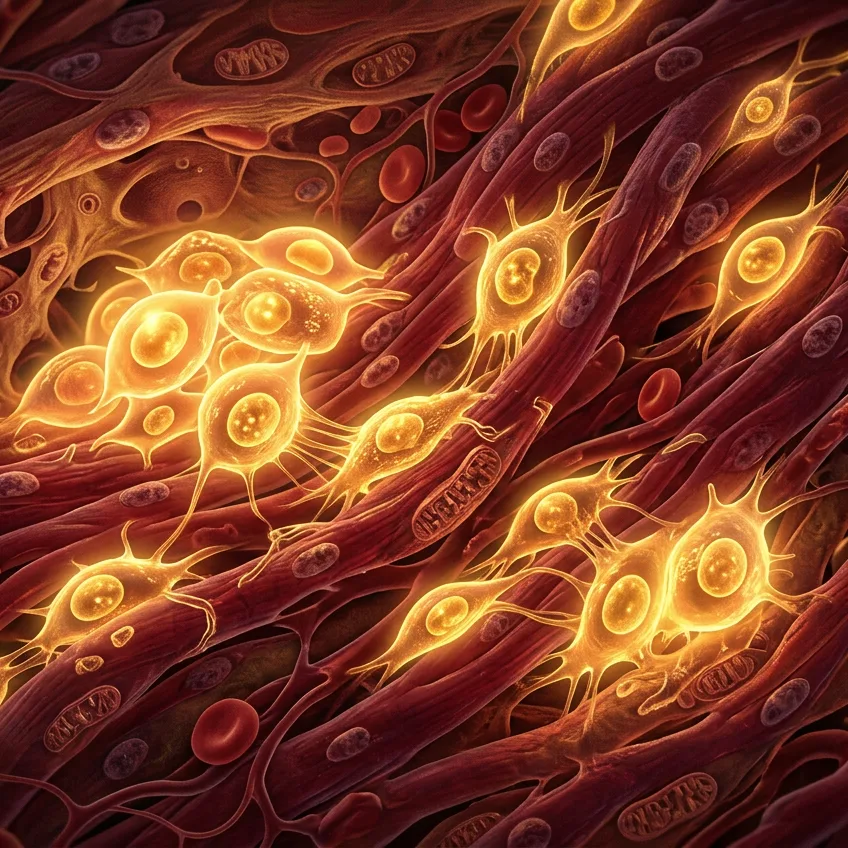
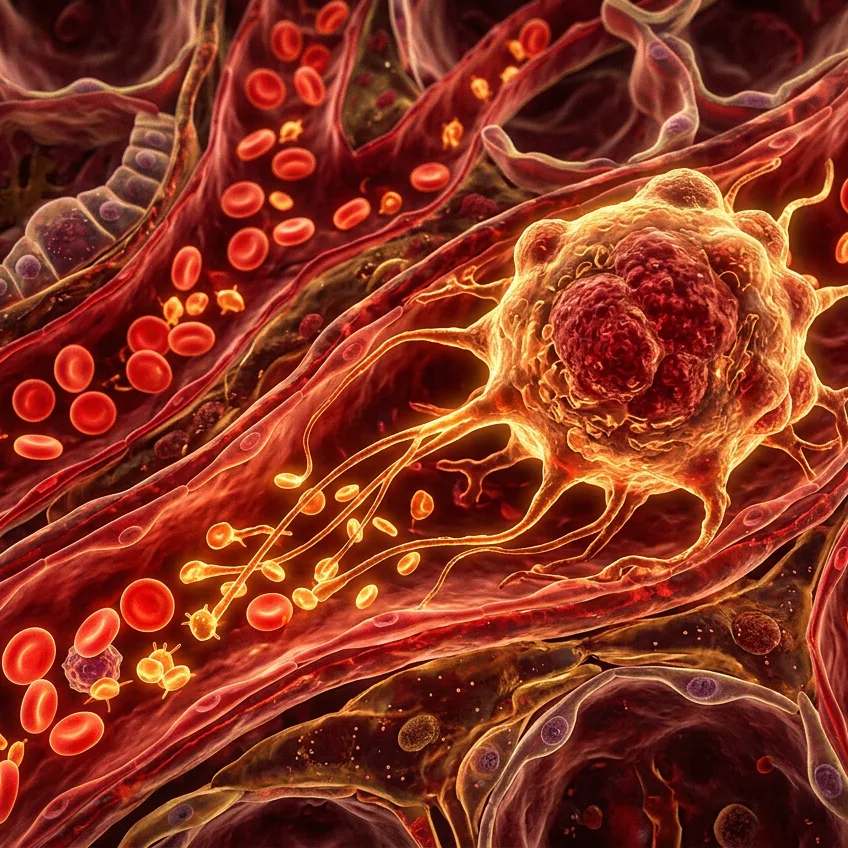
Unlike most cells in our body, muscle fibers are giant and multinucleated. To grow in response to exercise overload, these fibers recruit satellite cells (muscle stem cells), which fuse with the fiber and donate their own nuclei, known as myonuclei. Each new nucleus takes charge of a metabolic control zone capable of coordinating the synthesis of new proteins and expanding muscle volume.
The fascinating part happens when a person stops exercising for months or years:
- Immune to degradation: Although muscle volume and fluid decrease drastically from disuse, the acquired myonuclei do not die; they remain dormant inside the fiber.
- Express reactivation: When training resumes, the body does not waste weeks manufacturing new cellular machinery. The nuclei are already present and activate protein synthesis at a dizzying pace.
This mechanism demonstrates that physical exercise practiced at any stage of life functions as a true "biological savings account." The effort made today leaves a permanent cellular footprint that acts as a protective shield against loss of mobility and sarcopenia in old age.
Source: Proceedings of the National Academy of Sciences (PNAS)