For over a century, medicine considered skeletal muscles as mere biological pulleys designed exclusively to generate force and movement. However, at the beginning of the 21st century, research led by Danish scientist Bente Klarlund Pedersen proved a revolutionary aspect: muscle is the most voluminous endocrine organ in the human body.
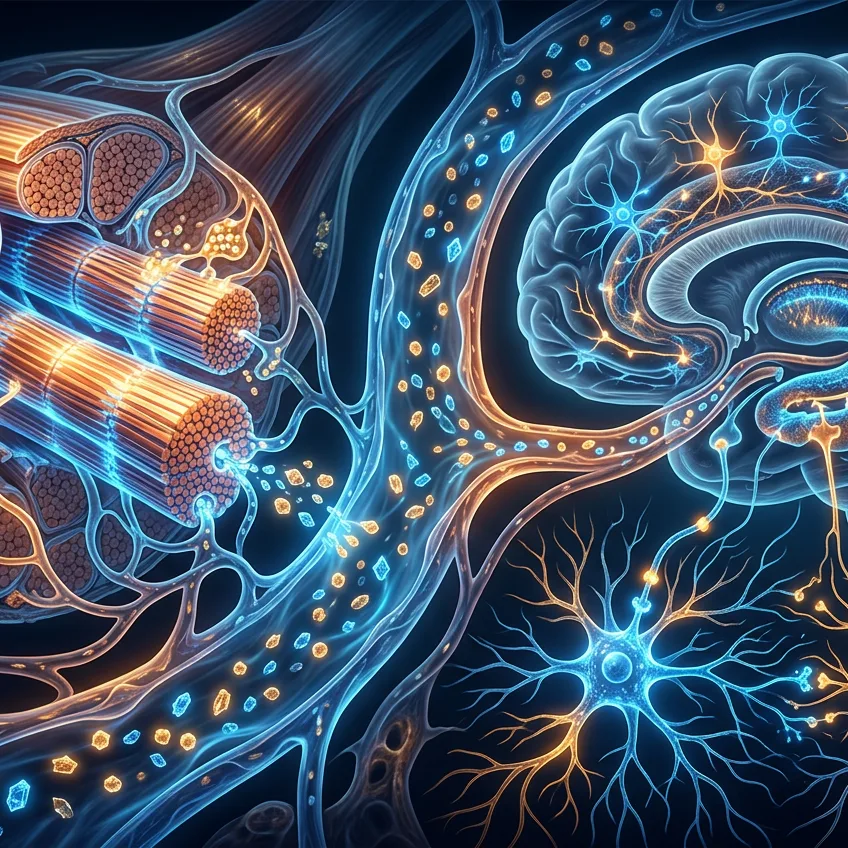
When muscle fibers contract, they synthesize and release hundreds of messenger molecules called myokines into the bloodstream. One of the most fascinating is irisin, identified in 2012 by researchers at Harvard University. This hormone acts as a direct bridge between physical exertion and brain health:
- Stimulates neurogenesis: irisin is able to cross the blood-brain barrier and activate BDNF (brain-derived neurotrophic factor) production in the hippocampus, a key protein for creating new neurons and consolidating memory.
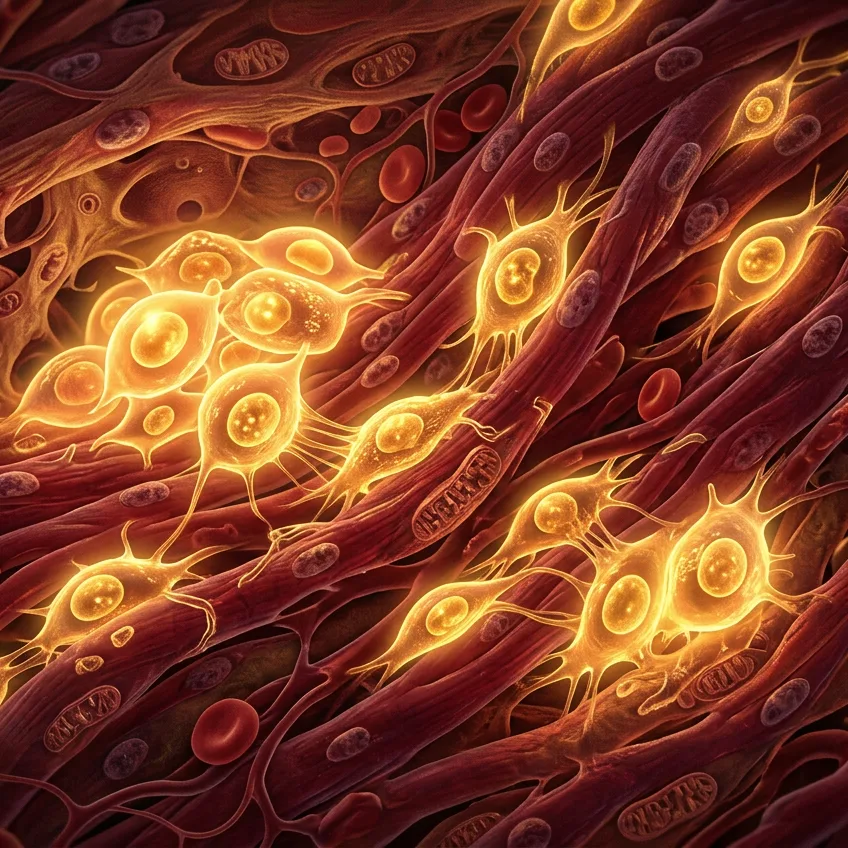
- Reprograms fatty tissue: it induces the browning of white adipocytes, transforming them into metabolically active cells that burn energy instead of storing it.
- Regulates systemic inflammation: other myokines, such as muscle interleukin-6 (IL-6), act paradoxically as powerful anti-inflammatory agents when released during prolonged exercise.
This biochemical dialogue explains why a sedentary lifestyle progressively turns off essential metabolic defenses, while a simple brisk walk activates a genuine internal pharmacy that slows cognitive and cellular decline.
Source: Nature (Boström et al., 2012: 'A PGC1-α-dependent myokine that drives brown-fat-like development of white fat and thermogenesis') / The Journal of Physiology