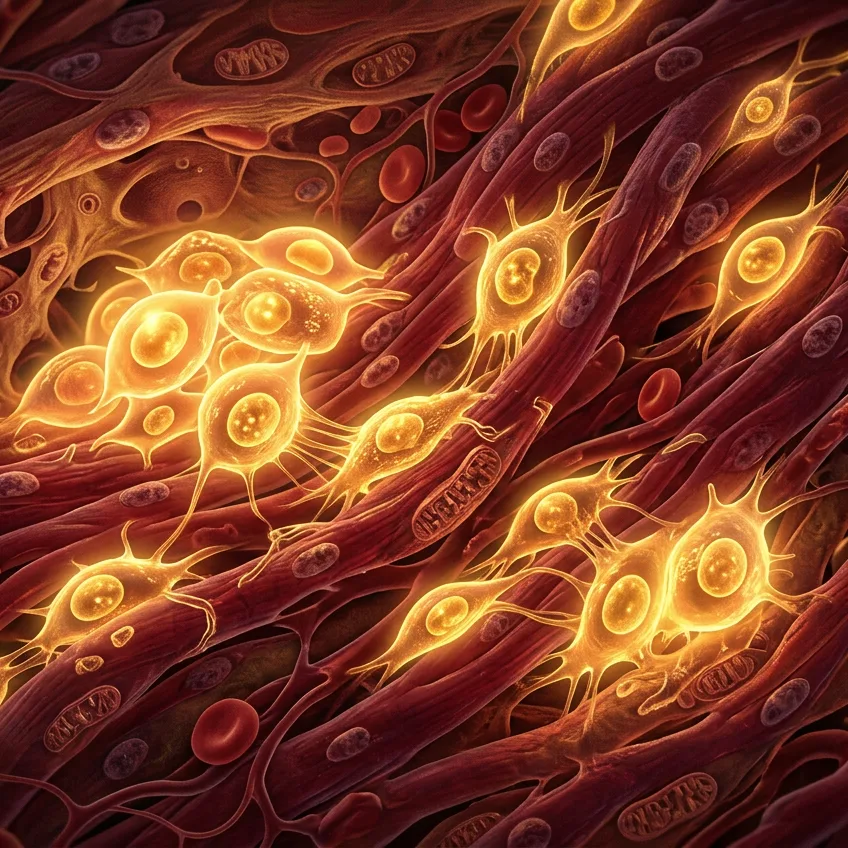
For more than a century, classical anatomy described the muscular system as a purely biomechanical framework: ropes and levers designed exclusively to generate force and move us. However, in the early 2000s, a team led by Danish researcher Bente Klarlund Pedersen demonstrated that muscle tissue is, in fact, the largest endocrine organ in the human body, accounting for about 40% of our body weight.
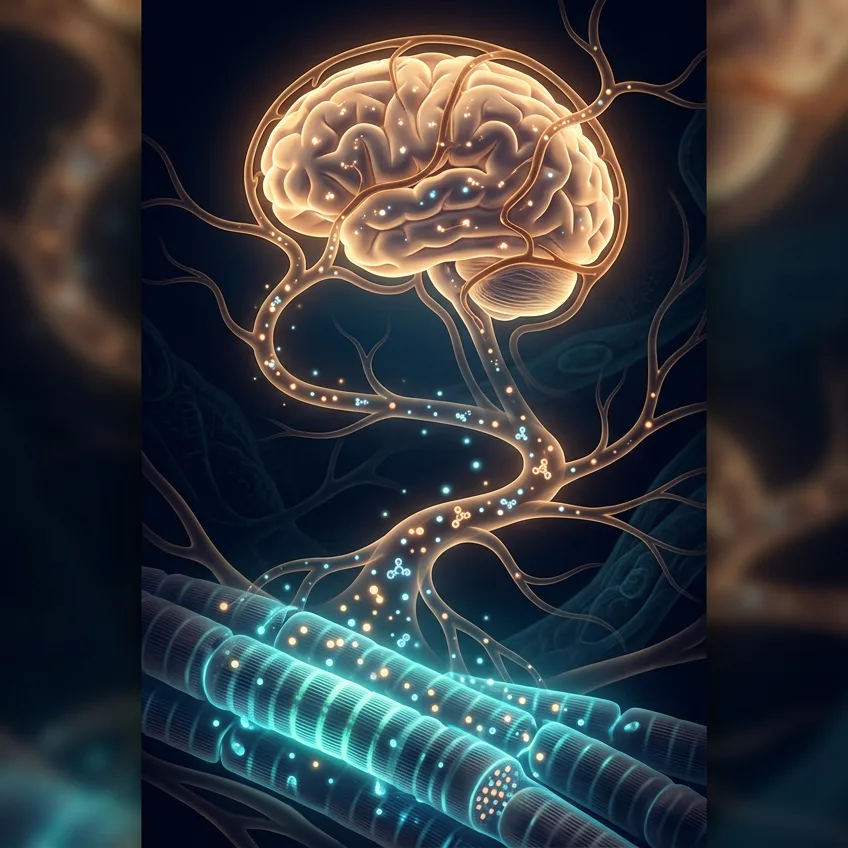
Every time your muscles contract regularly, they synthesize and release hundreds of signaling molecules into the bloodstream dubbed myokines. These proteins act as genuine natural pharmacological messengers that travel through the body and communicate with the liver, adipose tissue, and, remarkably, with the central nervous system.
- Irisin and BDNF: One of the most studied myokines, irisin, is able to cross the blood-brain barrier and induce the production of Brain-Derived Neurotrophic Factor (BDNF) in the hippocampus, the key region for memory, stimulating the birth of new neurons and enhancing synaptic plasticity.
- Systemic anti-inflammatory effect: Interleukin-6 (IL-6) released by muscle during exertion acts paradoxically: while it is usually pro-inflammatory in the immune system, the muscle variant inhibits harmful inflammatory factors and activates visceral fat burning.
This molecular dialogue explains why physical inactivity deteriorates mood and accelerates cognitive decline: an idle muscle remains biologically mute, whereas movement switches on an internal pharmacy essential for longevity.
Source: Pedersen, B. K., & Febbraio, M. A. (2012). Muscles, exercise and obesity: skeletal muscle as a secretory organ. Nature Reviews Endocrinology, 8(8), 457-465.