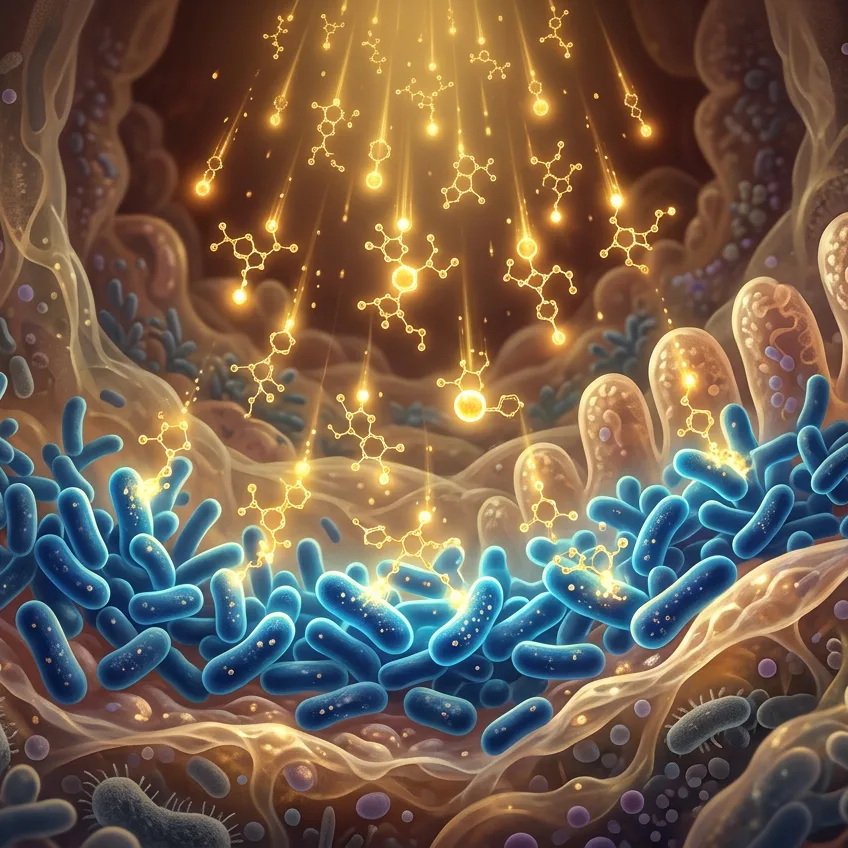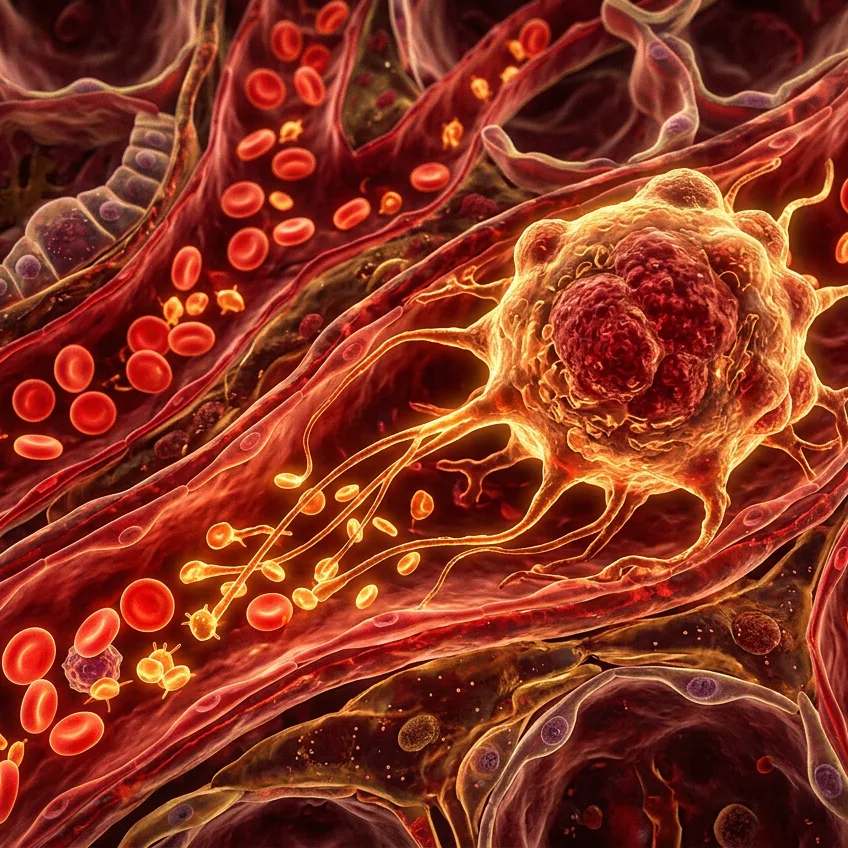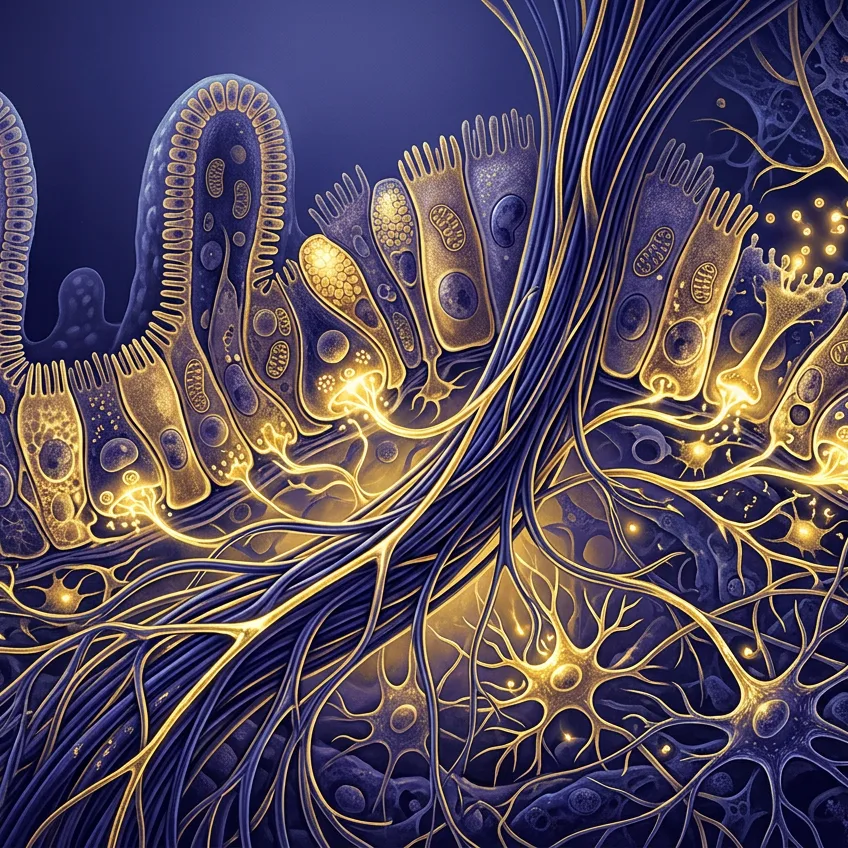
For decades, neuroscience assumed that communication between the gut and the brain relied exclusively on slow hormones released into the bloodstream, a chemical process that takes minutes to complete. However, in 2018, researchers at Duke University, led by Dr. Diego Bohórquez, revealed an unsuspected biological infrastructure: neuropod cells.
These sensory cells, embedded in the lining of the intestinal epithelium, possess physical axon-like extensions that form direct synapses with the vagus nerve. Using the neurotransmitter glutamate, they are capable of sending electrochemical impulses about digestive contents to the brainstem in less than 100 milliseconds, a speed comparable to visual or auditory processing.
This ultra-fast circuit radically transforms our understanding of nutrition and well-being:
- Immediate caloric distinction: Neuropod cells detect and differentiate sugars from artificial sweeteners almost instantly, triggering dopamine release in the brain before glucose enters the bloodstream.
- Reflex appetite regulation: They inform the central nervous system of the exact caloric composition of nutrients in real time, managing satiety with millimeter precision.
The discovery of this direct wiring confirms that the digestive system acts as a genuine sensory organ conscious of its molecular environment, opening revolutionary clinical avenues to combat metabolic disorders, food addictions, and mood disturbances directly from the gut.
Source: Kaelberer et al., 'A gut-brain neural circuit for nutrient sensory perception', Science (2018). DOI: 10.1126/science.aat5236