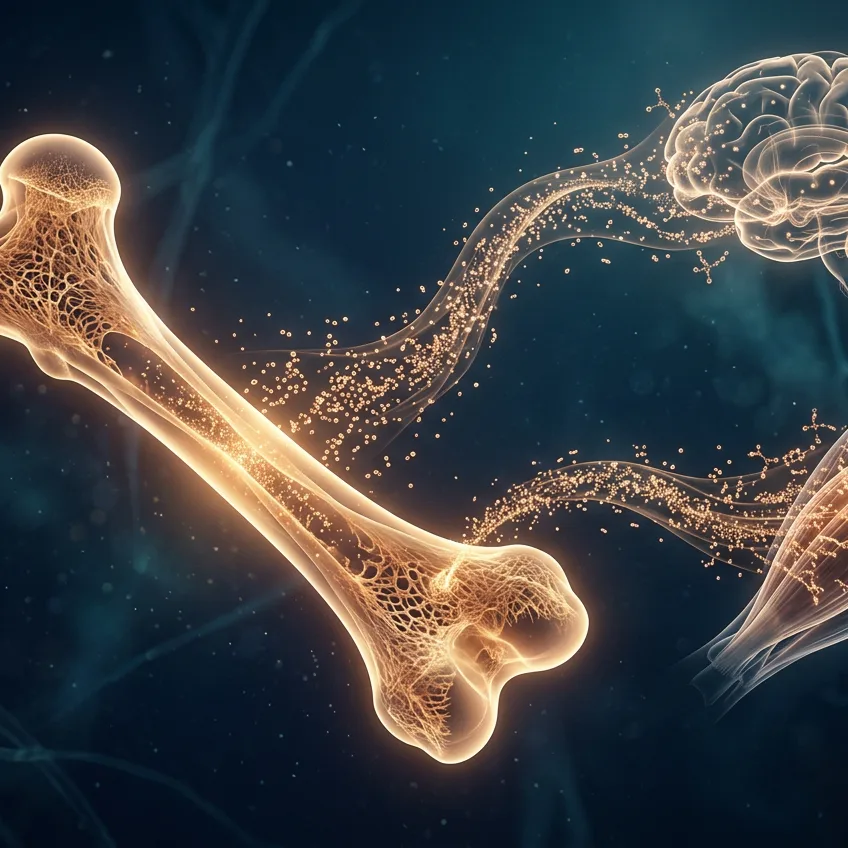
For centuries, medicine considered the human skeleton to be little more than a rigid mineral framework intended to support soft tissues and protect vital organs. However, pioneering research led by Dr. Gérard Karsenty at Columbia University revealed a fascinating twist: bones actually act as a powerful endocrine organ that communicates with the rest of the body through hormonal signals.
At the center of this biological feat is osteocalcin, a hormone released by osteoblasts (bone-forming cells). Upon entering the bloodstream, it triggers critical effects for overall well-being:
- Activation in the face of danger: Faced with an imminent threat, bones release massive spikes of osteocalcin in a matter of minutes. This hormone inhibits the parasympathetic system and instigates the "fight or flight" response, an ancestral mechanism that operates even without the direct intervention of adrenal adrenaline.
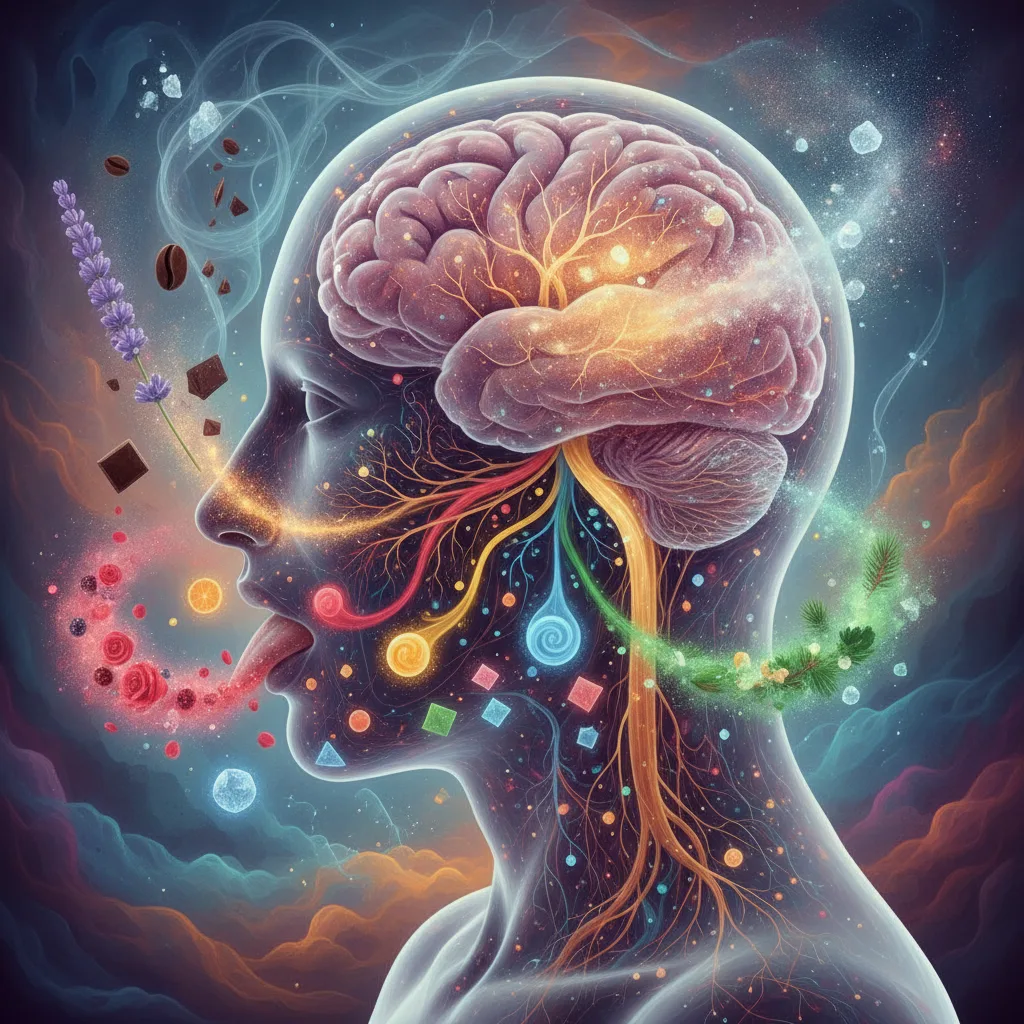
- Brain wellness: Osteocalcin can cross the blood-brain barrier. In the brain, it promotes neurogenesis in the hippocampus, stimulates the synthesis of neurotransmitters such as dopamine and serotonin, and prevents age-related cognitive decline.
- Glucose regulation: It stimulates insulin secretion by the pancreas and multiplies energy uptake in muscle tissue during exertion.
This finding redefines the impact of physical exercise: mechanical forces applied when walking or strength training induce the synthesis of osteocalcin, turning every step or squat into a natural endocrine treatment for the brain and metabolism.
Source: Cell Metabolism / Columbia University Irving Medical Center (Karsenty et al., 2019)