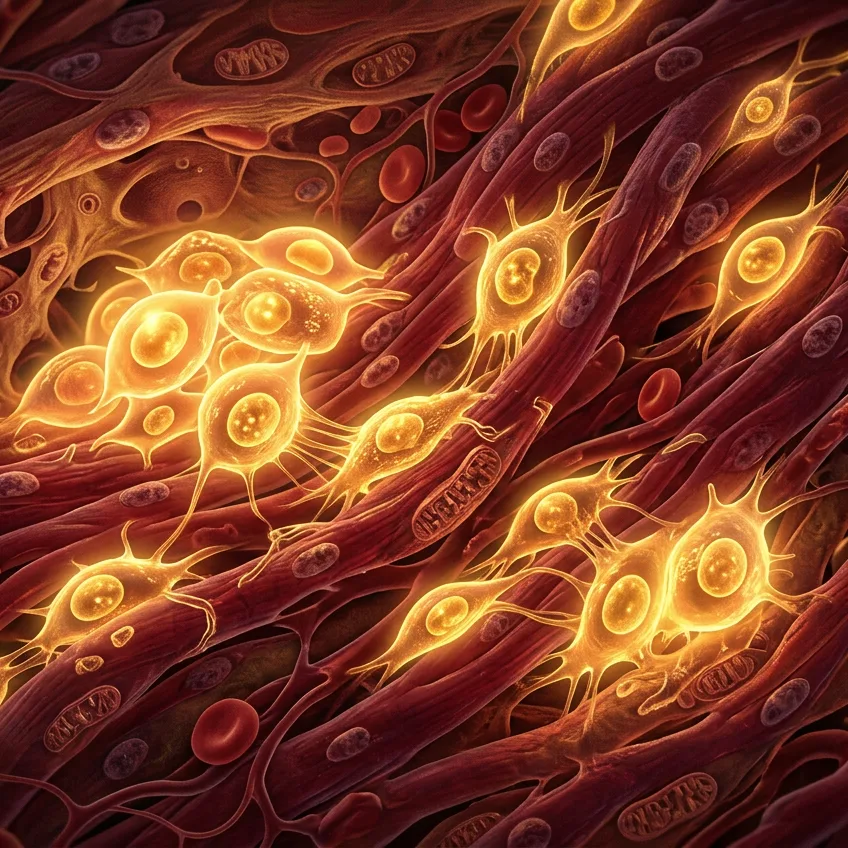
In the non-hairy skin of the palms of the hands, soles of the feet, and face, the human body hides a marvel of thermoregulation: arteriovenous anastomoses (AVAs). Unlike the rest of the circulatory system, where blood passes slowly through microscopic capillary beds to nourish tissues, AVAs are direct, large-caliber bridges between arterioles and venules.
These connections act like true biological radiators with quick-opening valves. When internal body temperature rises due to environmental heat or intense physical exertion, the sympathetic nervous system massively dilates the AVAs, flooding dense subdermal venous plexuses with a flow of warm blood that far exceeds the nutritional needs of the skin. By exposing this volume of blood to the surface, heat dissipates outward with extraordinary efficiency before returning the cooled blood to the heart and brain.
Research led by biologists at Stanford University, such as Dr. H. Craig Heller, discovered that this mechanism does not just prevent heatstroke, but is a decisive key to physical performance: muscle fatigue in repetitive exercise is often caused by enzymatic overheating in the muscle (such as the breakdown of pyruvate kinase). By specifically cooling the palms of the hands with water at about 15 °C between lifting sets or intense runs, athletes were able to dissipate core body heat and nearly double their physical work capacity in a matter of weeks.
Source: Stanford University Biology Department (studies on thermoregulation and 'palmar cooling' by H. Craig Heller and Dennis Grahn)