Every minute of your life, your lungs inhale and exhale between twelve and twenty times without you barely noticing. However, from a purely biophysical perspective, this everyday act would be a titanic and potentially lethal effort were it not for a prodigious microscopic substance: pulmonary surfactant.
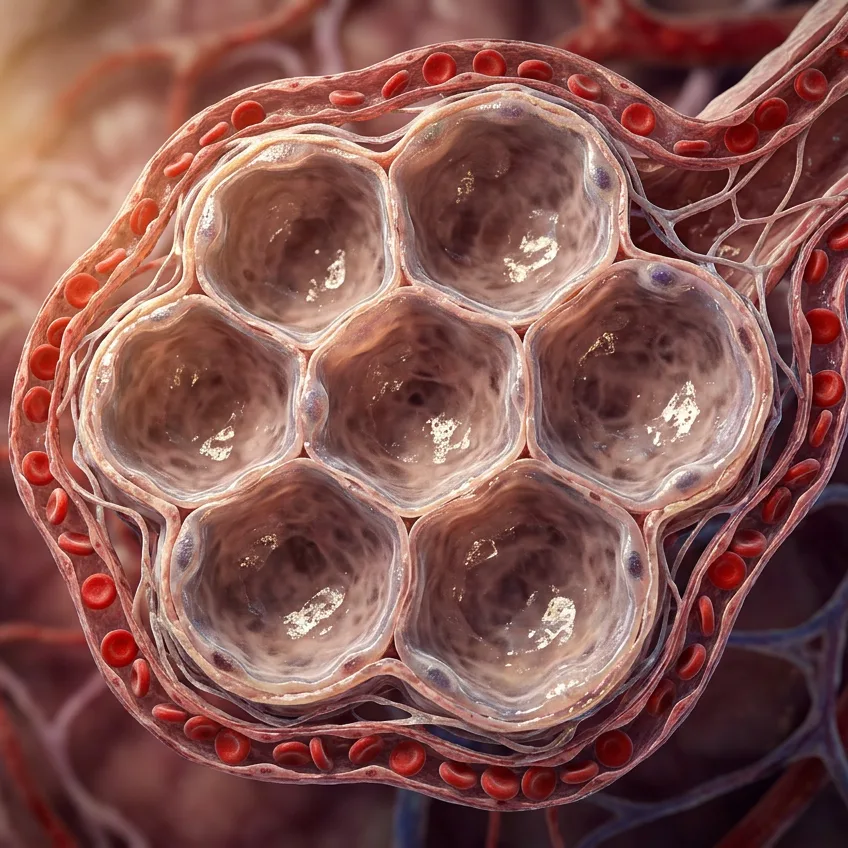
Your lungs house more than 500 million tiny air sacs called alveoli, where oxygen exchange with the blood occurs. To function, these alveoli must remain permanently moist. However, due to the intense attractive forces between water molecules (surface tension), the liquid tends to contract inward, which would generate a collapsing pressure that would close the alveoli with each exhalation, as dictated by Laplace's physical law.
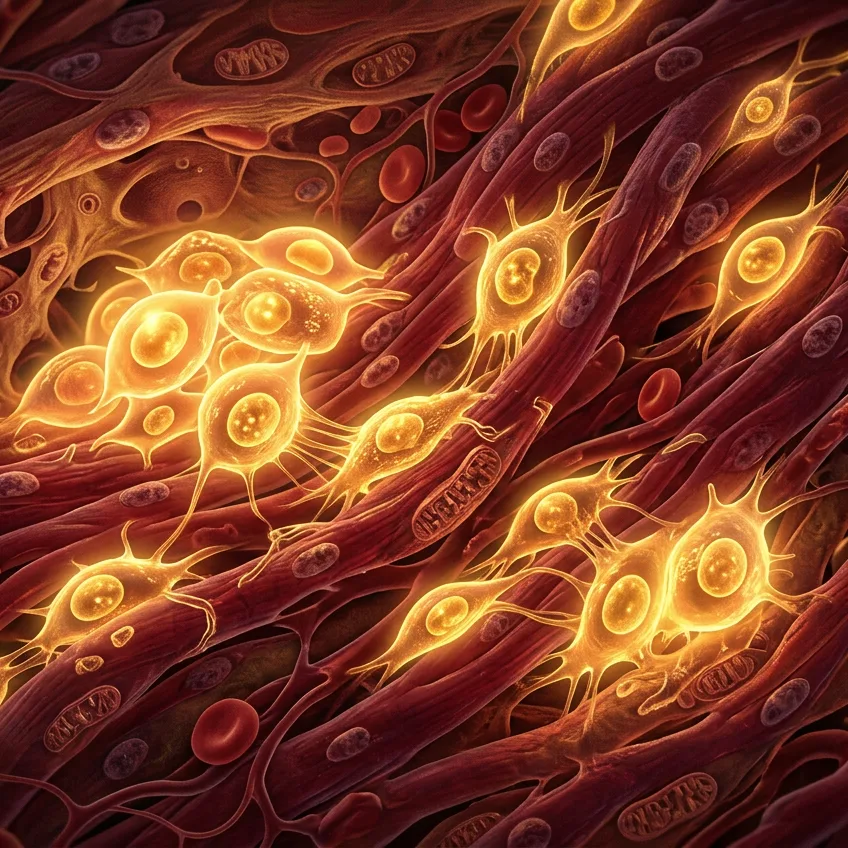
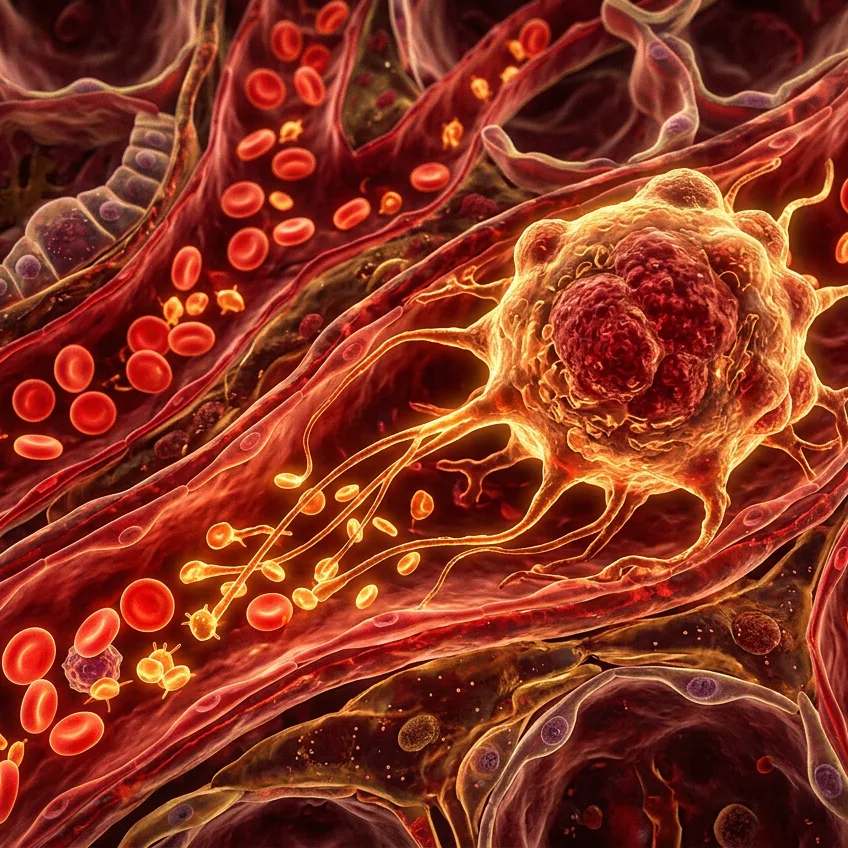
To counteract this effect, specialized cells called type II pneumocytes continuously secrete surfactant, a complex emulsion composed of 90% lipids (mainly phospholipids such as dipalmitoylphosphatidylcholine) and 10% specific proteins:
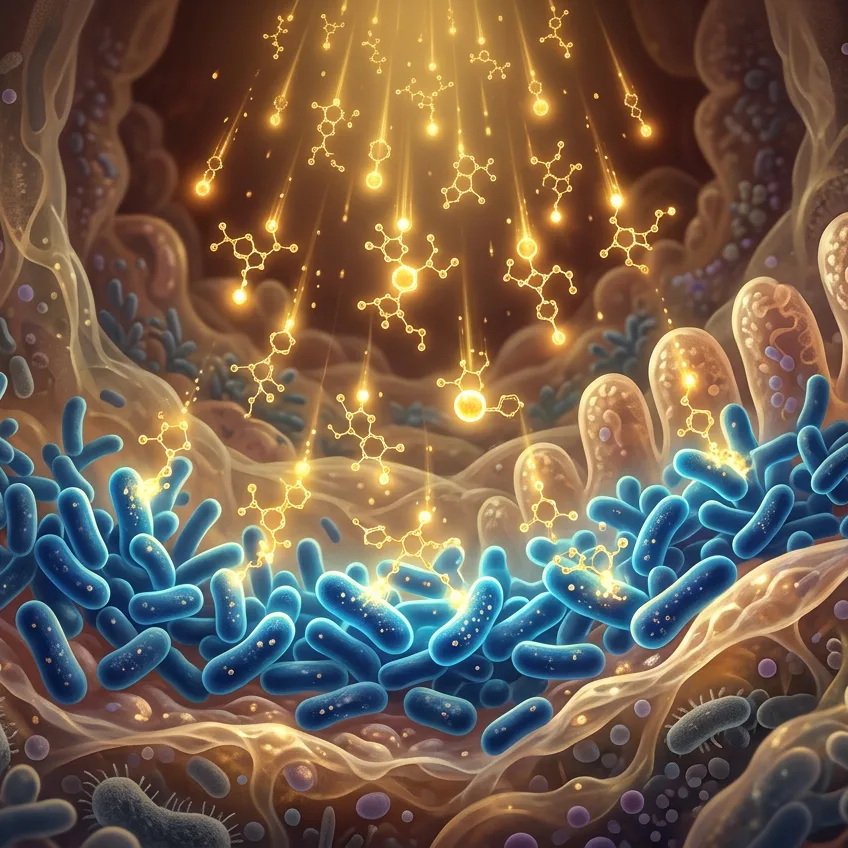
- Reduces surface tension: It inserts itself between water molecules, reducing their mutual attraction almost to zero as the alveolus empties.
- Stabilizes the alveoli: It prevents smaller air sacs from deflating into larger ones.
- Saves vital energy: Without this substance, each inhalation would require massive pressure, equivalent to trying to inflate a brand-new, rigid rubber balloon thousands of times a day.
Understanding surfactant and its subsequent pharmacological synthesis transformed intensive care medicine in the late 20th century, saving the lives of millions of premature babies born before their lungs naturally begin to produce it.
Source: The Lancet Respiratory Medicine / American Journal of Physiology-Lung Cellular and Molecular Physiology