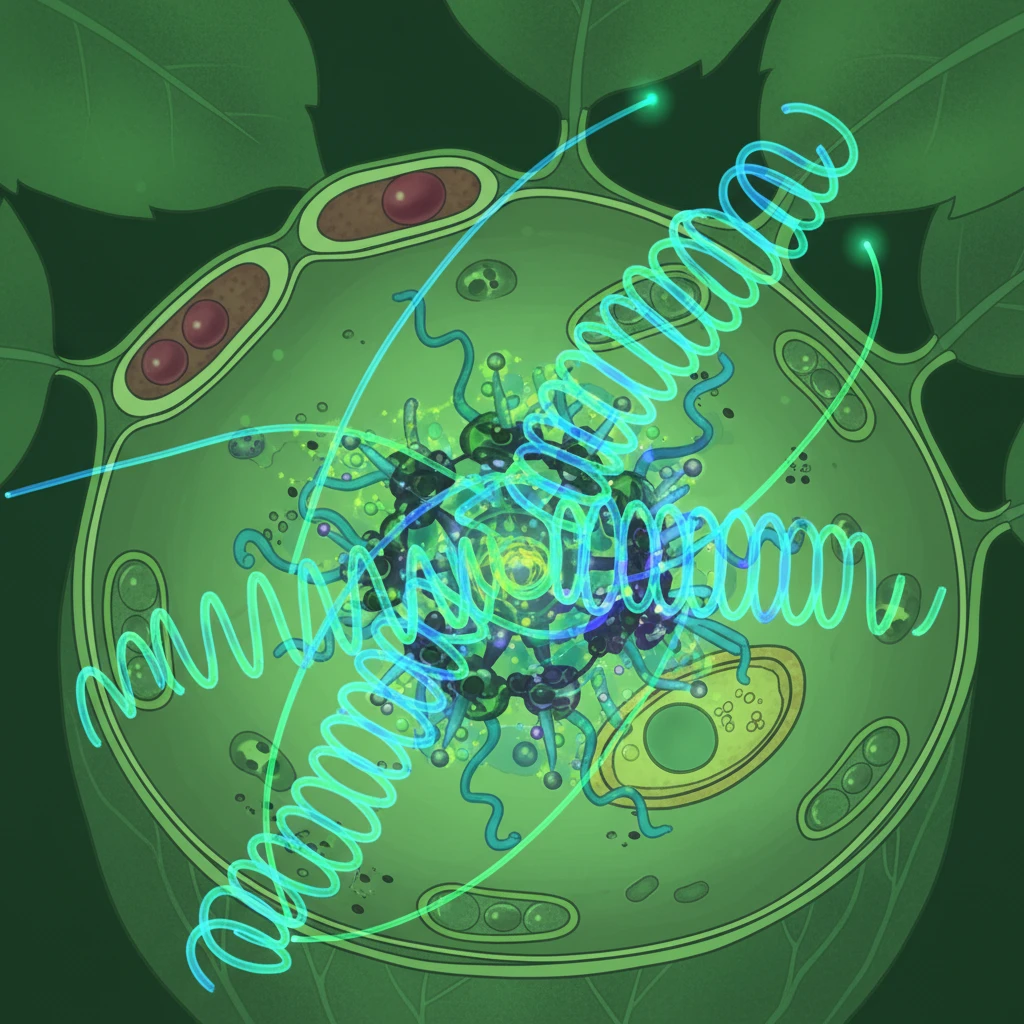
A study published in the journal Nature in 2013 revealed that plants might be using a quantum phenomenon known as superposition to optimize photosynthesis. In this process, photons of light do not follow a single path through chlorophyll complexes, but instead explore multiple routes simultaneously to find the most efficient one toward reaction centers.
This discovery challenges the classical view of photosynthesis and suggests that nature has evolved to take advantage of the strangest principles of quantum physics. Researchers from the University of California, Berkeley, used femtosecond pump-probe spectroscopy to observe this behavior in the green alga Chlorella vulgaris.
- Why it matters: Understanding this mechanism could revolutionize solar energy technology, enabling the creation of much more efficient solar panels.
- Key fact: Quantum efficiency in plants can reach 95%, while conventional solar panels rarely exceed 25%.
This phenomenon, known as coherent quantum energy transfer, occurs at cryogenic temperatures in laboratories, but plants achieve it at room temperature, an achievement that scientists still cannot fully replicate.
Source: Nature (2013) - 'Quantum coherence in photosynthesis: how plants harvest light energy'