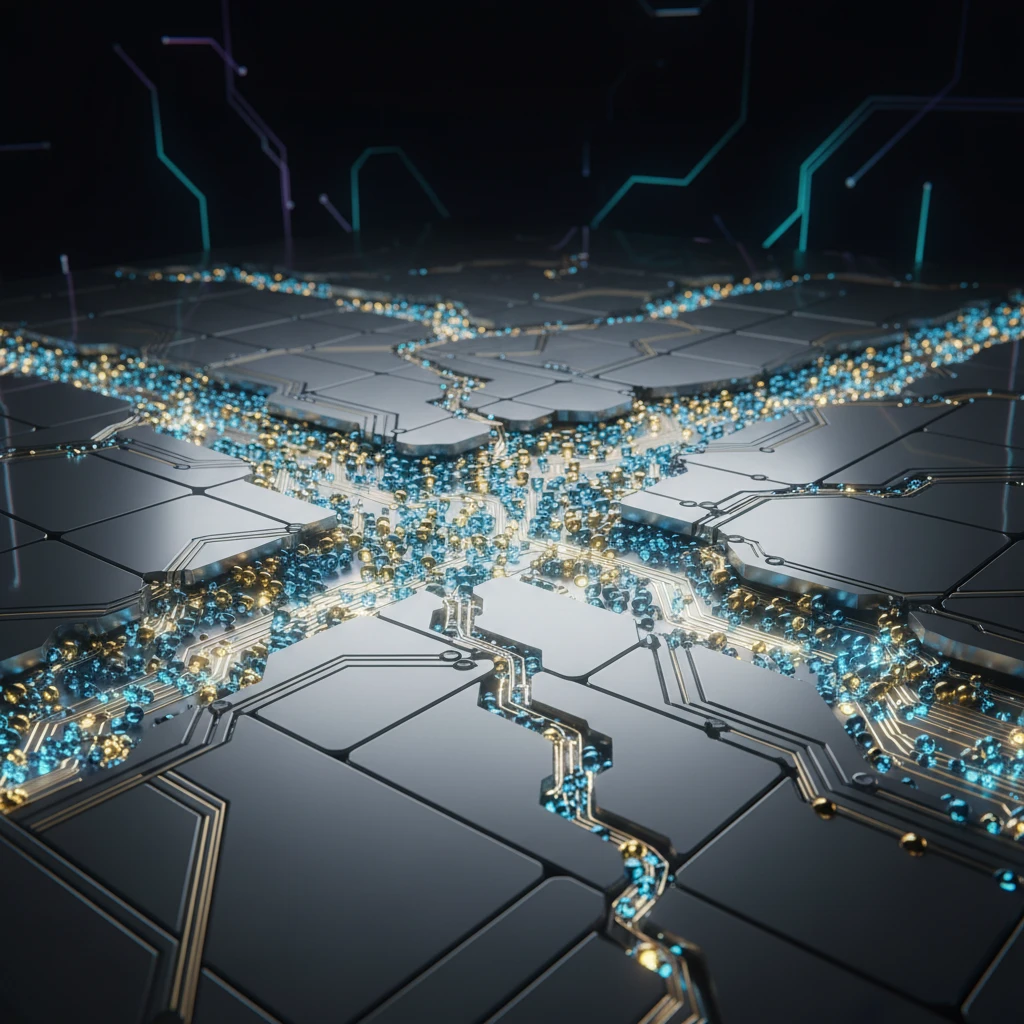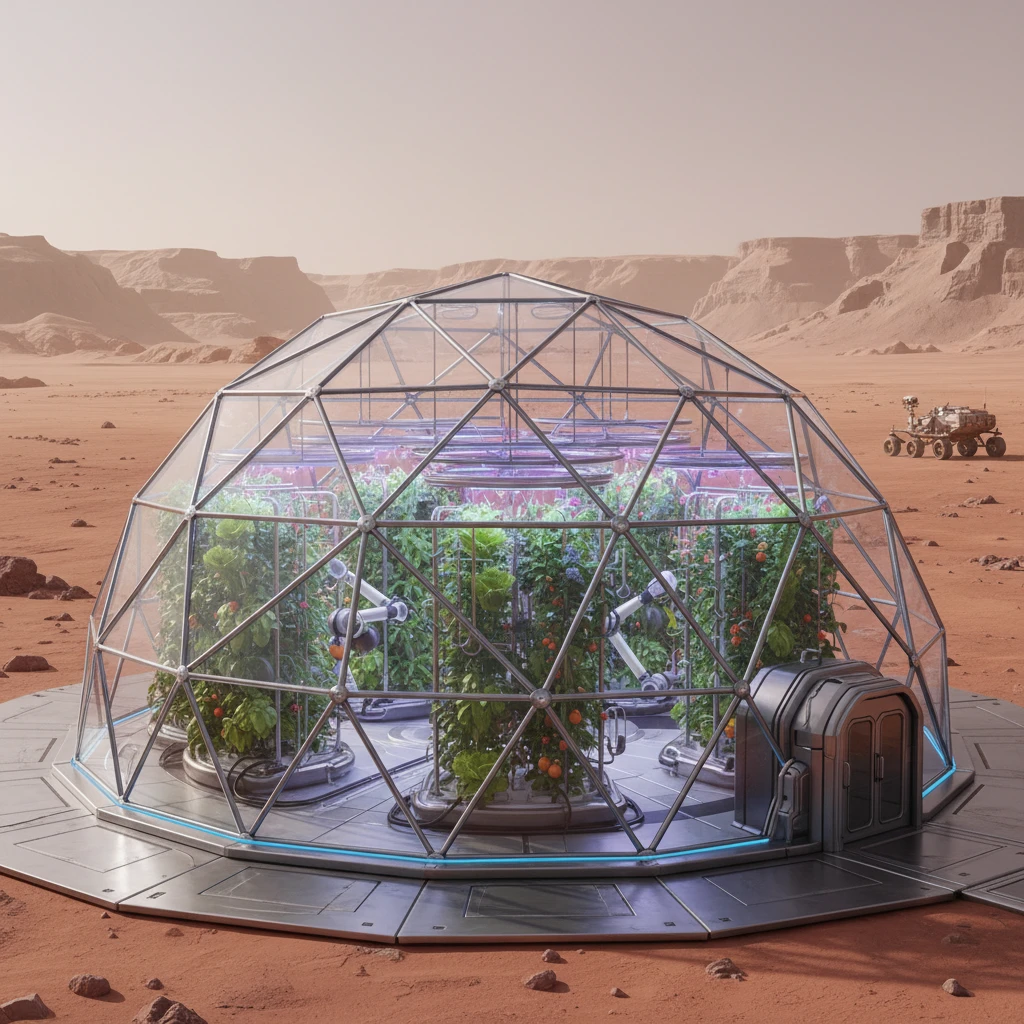
The idea of establishing a long-term human presence on Mars or other celestial bodies has always faced a fundamental challenge: how will we feed the colonists? Transporting supplies from Earth is logistically complex and economically unfeasible for sustained missions. The solution could lie in autonomous agriculture, led by robotic "gardeners."
These advanced systems, powered by Artificial Intelligence (AI), are designed to operate in hostile environments like those on Mars. They use technologies such as hydroponics and aeroponics, where plants grow without soil, receiving nutrients dissolved in water or sprayed as a mist. The robots would handle vital tasks: monitoring plant health, adjusting LED lighting to optimal spectrums, regulating temperature and humidity, and delivering nutrients and water with millimeter precision.
AI would play a crucial role, analyzing real-time data to predict plant needs and optimize yields, even detecting and treating small-scale diseases or pests. These robotic, or bio-regenerative, greenhouses seek to create closed and efficient ecosystems, minimizing the waste of resources—especially water, a precious commodity in space—and maximizing the production of fresh food and oxygen, essential elements for human survival.
Space agronomy projects are already under development by agencies such as NASA and ESA, exploring how automation and AI can turn the arid landscapes of other planets into thriving gardens, a vital step toward the self-sufficiency of future space bases.
Source: NASA, Agencia Espacial Europea (ESA), studies on space and bio-regenerative agriculture.