For more than a century, the spleen carried the reputation of being a secondary and even expendable organ, remembered almost exclusively as the "graveyard" where old red blood cells go to die. However, in 2009, groundbreaking research from Harvard Medical School and Massachusetts General Hospital revealed a previously unknown vital function: the spleen acts as a rapid response headquarters storing a colossal army of repair cells.
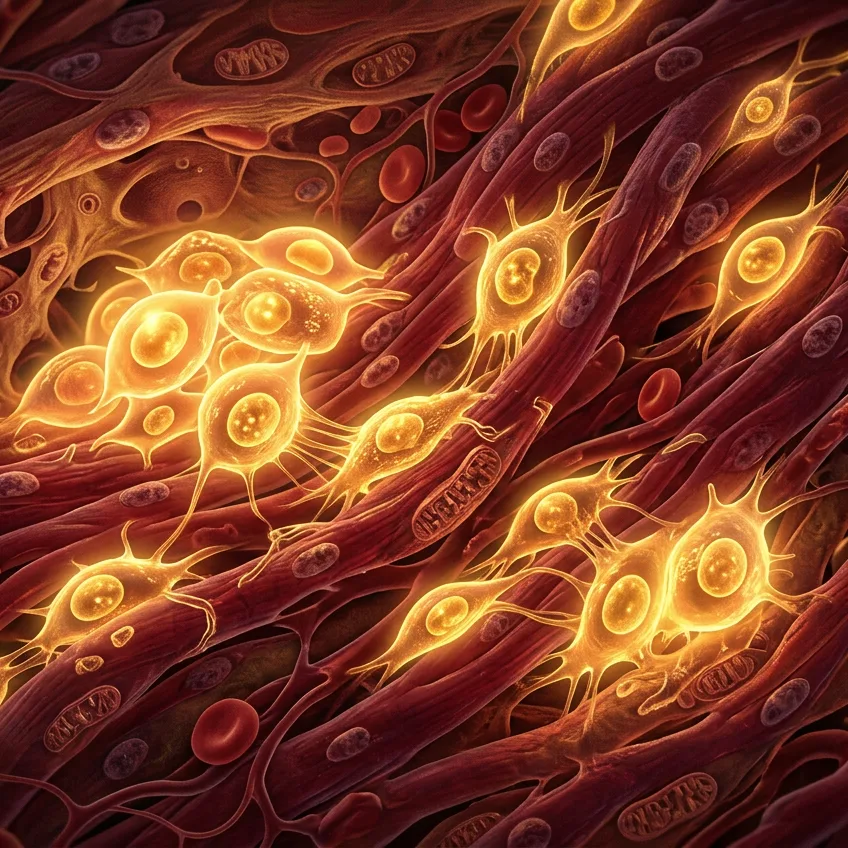
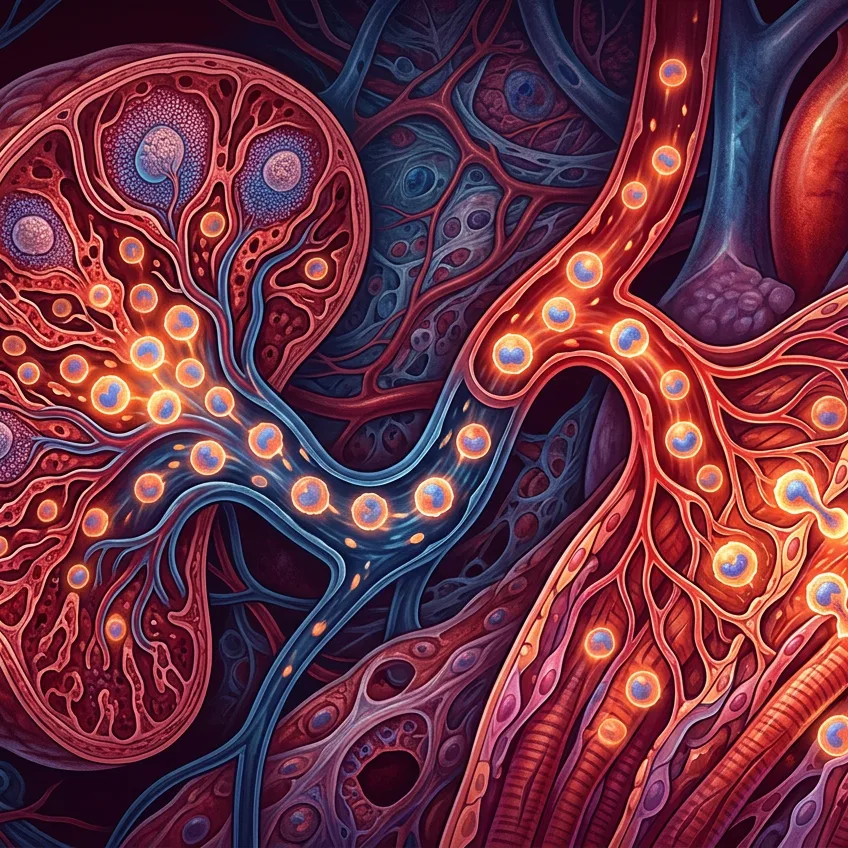
Scientists discovered that the red pulp of the spleen houses a reservoir of monocytes (a key type of white blood cell) that far exceeds the total amount circulating throughout the entire bloodstream. Faced with a sudden biological catastrophe, such as a myocardial infarction or severe trauma, the body does not wait for bone marrow to manufacture new defenses. In a matter of minutes, the spleen is activated under the signal of angiotensin II and massively releases millions of these monocytes directly to the heart.
Once in the damaged cardiac tissue, these cells fulfill a critical dual mission:
- Immediate phagocytosis: They quickly devour and clear away dead muscle cells and necrotic debris.
- Tissue regeneration: They secrete growth factors and induce the formation of new blood vessels to limit fibrous scarring.
This finding revolutionized cardiovascular medicine by demonstrating that removing the spleen carries much greater metabolic and immune risks than estimated, and opened new therapeutic avenues to modulate this emergency response and save hearts on the brink of collapse.
Source: Science (Swirski et al., 'Identification of Splenic Reservoir Monocytes and Their Deployment to Inflammatory Sites', 2009)