For centuries, the spleen carried an unfair reputation in medical textbooks: a secondary organ whose primary function seemed limited to filtering aged red blood cells, and which could be removed without seemingly catastrophic consequences. However, in 2009, a team of researchers from Massachusetts General Hospital and Harvard University discovered an unsuspected role that rewrote human physiology.
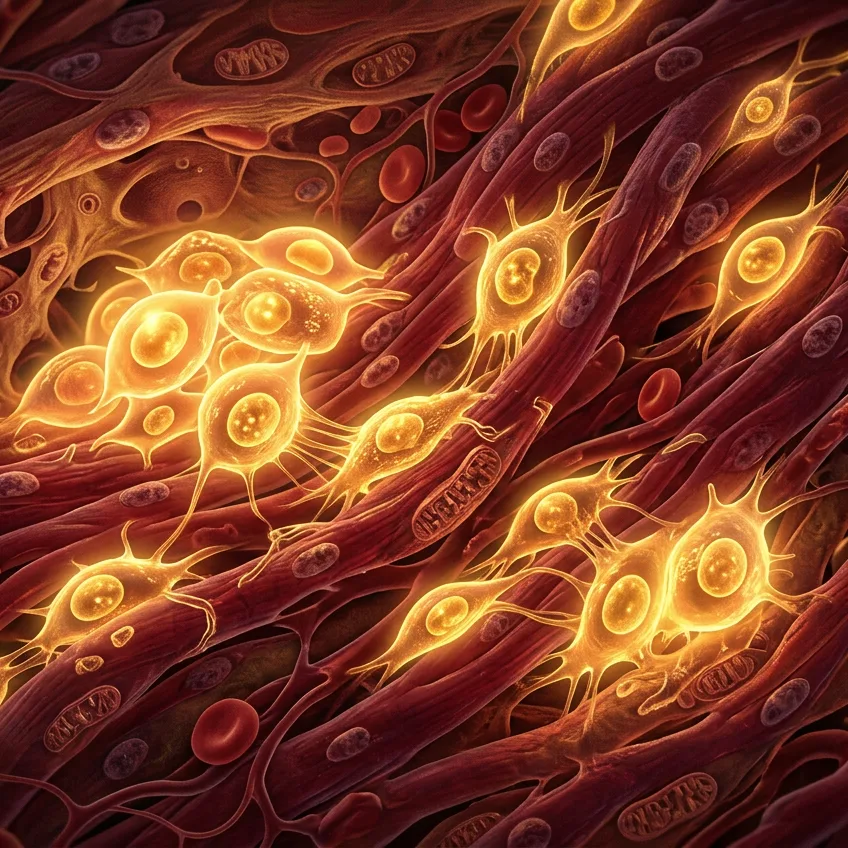
The spleen actually functions as a rapid-deployment military arsenal. Scientists discovered that the organ's red pulp stores nearly half of all monocytes—white blood cells essential for immune response and tissue repair—in the entire body. Until then, science believed that these cells circulated exclusively in the blood or remained locked inside the bone marrow awaiting slow mobilization.
When the body suffers a critical emergency, such as an acute myocardial infarction or massive trauma, an astonishing phenomenon occurs:
- Immediate activation: The sympathetic nervous system fires a cascade of neurochemical alarm signals to the spleen.
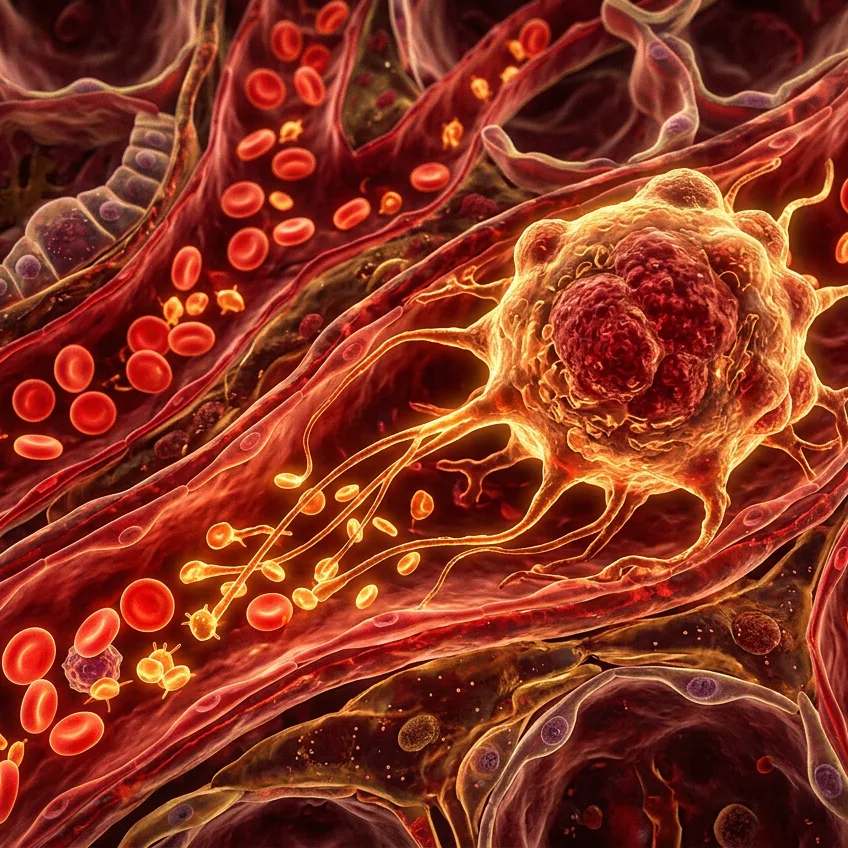
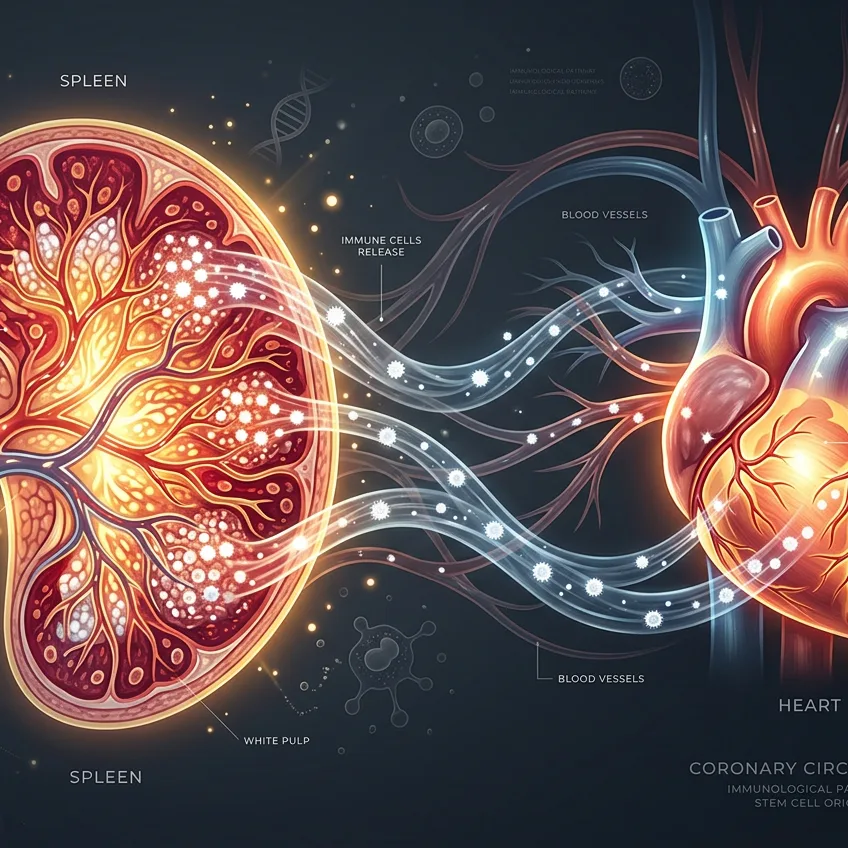
- Massive mobilization: Within minutes, the spleen contracts and expels millions of monocytes directly into the bloodstream, far outpacing the response speed of bone marrow.
- Cardiac rescue: This cellular army travels rapidly to the heart to clear necrotic tissue, curb cell death, and coordinate the reconstruction of myocardial scar tissue.
This finding explained why patients without a spleen face a more vulnerable recovery following ischemic injuries and revealed that this modest organ is, in reality, a sophisticated emergency center vital for survival.
Source: Science (Swirski et al., 2009: 'Identification of Splenic Reservoir Monocytes and Their Deployment to Inflammatory Sites')