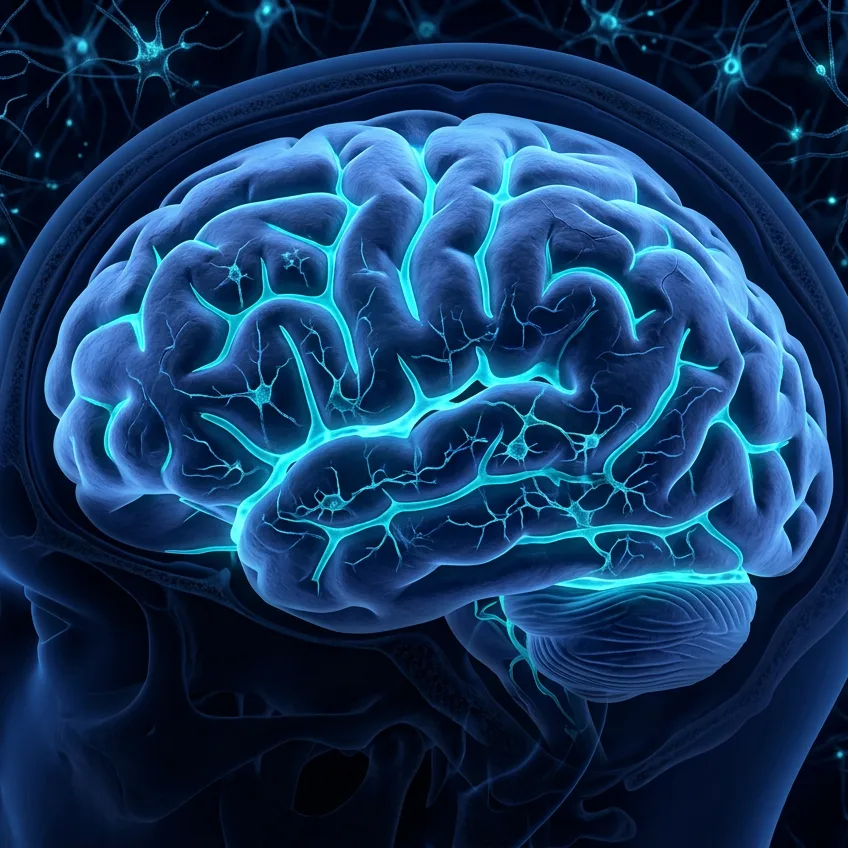
For decades, neuroscience faced a puzzling enigma: while the rest of the human body removes its metabolic waste through the lymphatic system, the brain apparently lacked a similar drainage network, despite being the organ with the highest energy expenditure in our body.
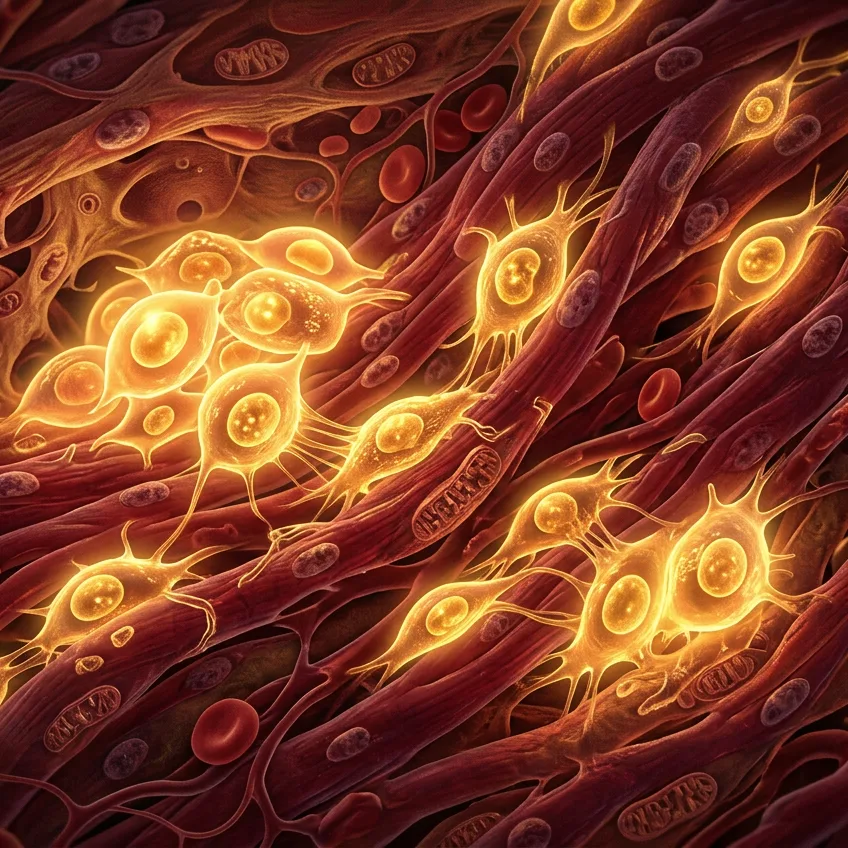
The mystery was solved in 2012, when researcher Maiken Nedergaard and her team at the University of Rochester discovered the glymphatic system, a sophisticated network of microscopic plumbing regulated by glial cells (astrocytes) through aquaporin-4 water channels. The most astonishing thing about this mechanism is that it remains practically turned off while we are awake and activates with extraordinary power during deep slow-wave sleep.
For this wash to be effective, a radical physical transformation occurs:
- Cellular contraction: Brain cells shrink by up to 60%, drastically widening the interstitial space between neurons.
- Hydraulic surge: This widening allows cerebrospinal fluid to rush under pressure through brain tissues like a true biological dishwasher.
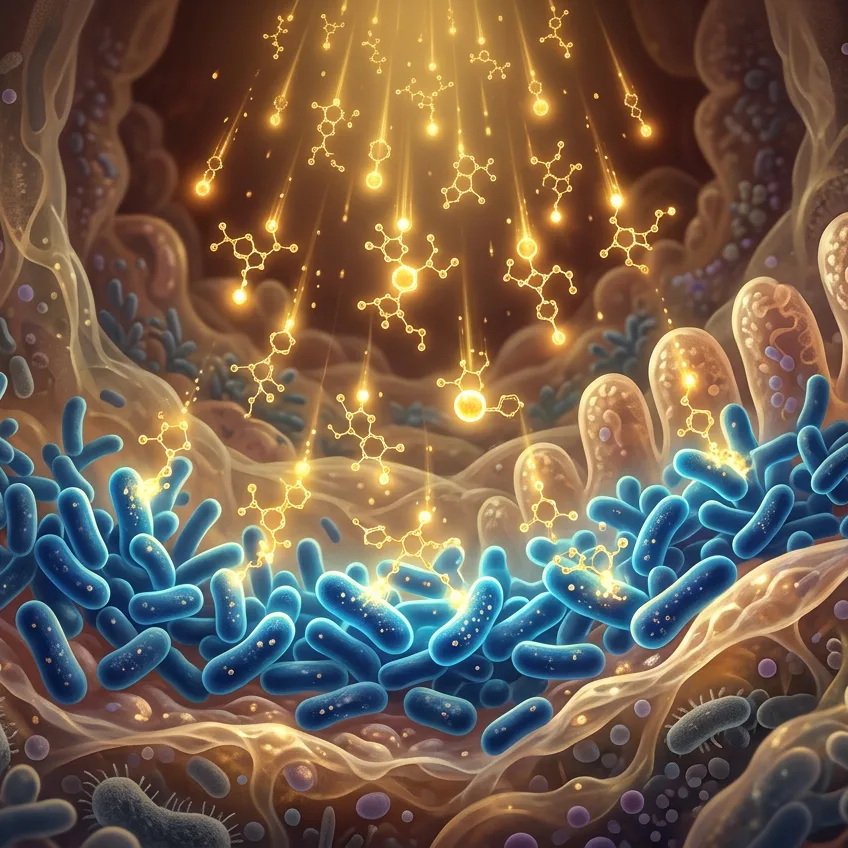
- Waste evacuation: The current sweeps away harmful metabolic byproducts accumulated during the day, including beta-amyloid plaques and tau proteins, both associated with cognitive decline and Alzheimer's.
This physiological feat explains why a sleepless night clouds thinking and confirms that sleeping deeply is not a passive pause, but an indispensable hygienic maintenance for the survival of our mental faculties.
Source: Science (Maiken Nedergaard et al., 'Sleep Drives Metabolite Clearance from the Adult Brain', 2013)