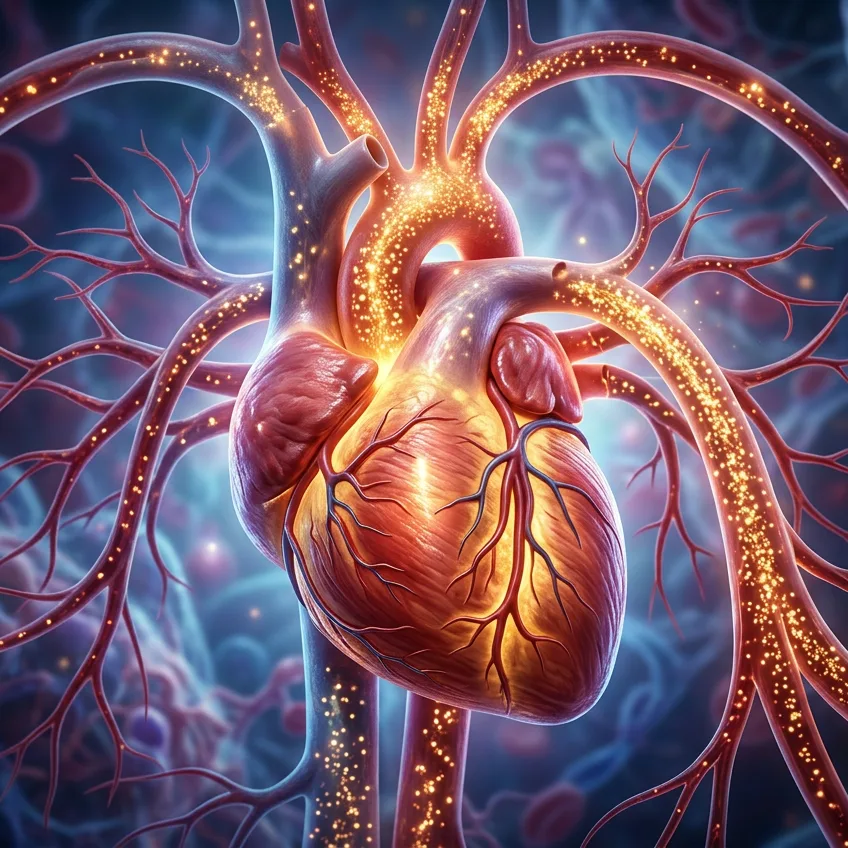
For centuries, medicine viewed the heart exclusively as a tireless hydraulic pump: a purely mechanical organ designed to push blood through the circulatory system. However, in 1981, pioneering research led by Hispanic-Canadian pathologist Adolfo de Bold transformed cardiology forever by proving that the heart also functions as an active endocrine gland.
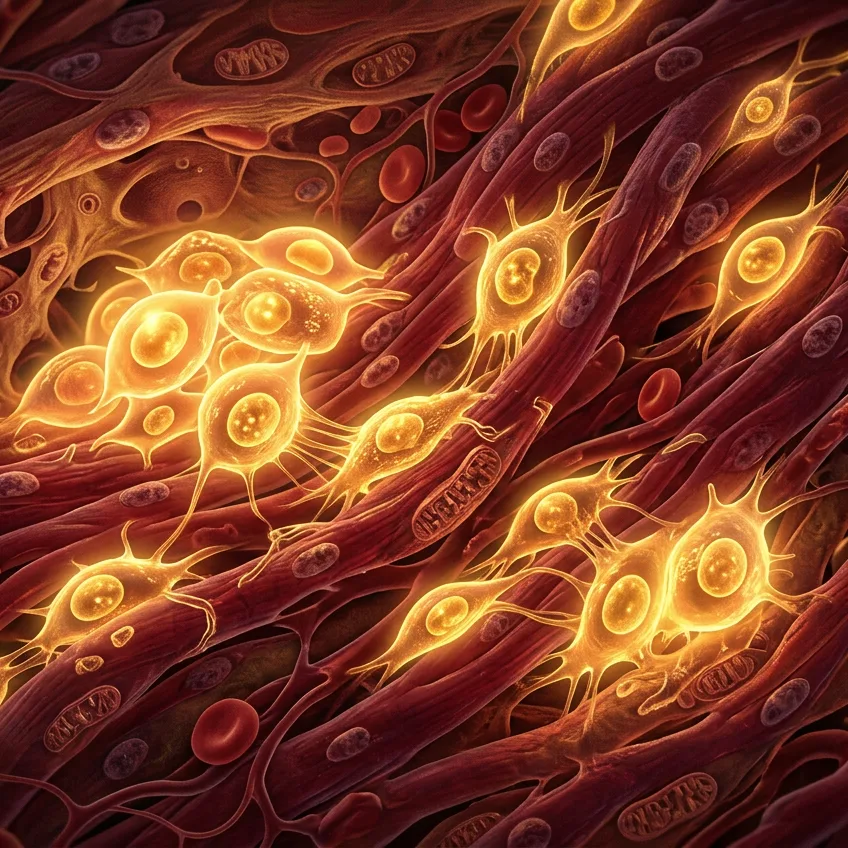
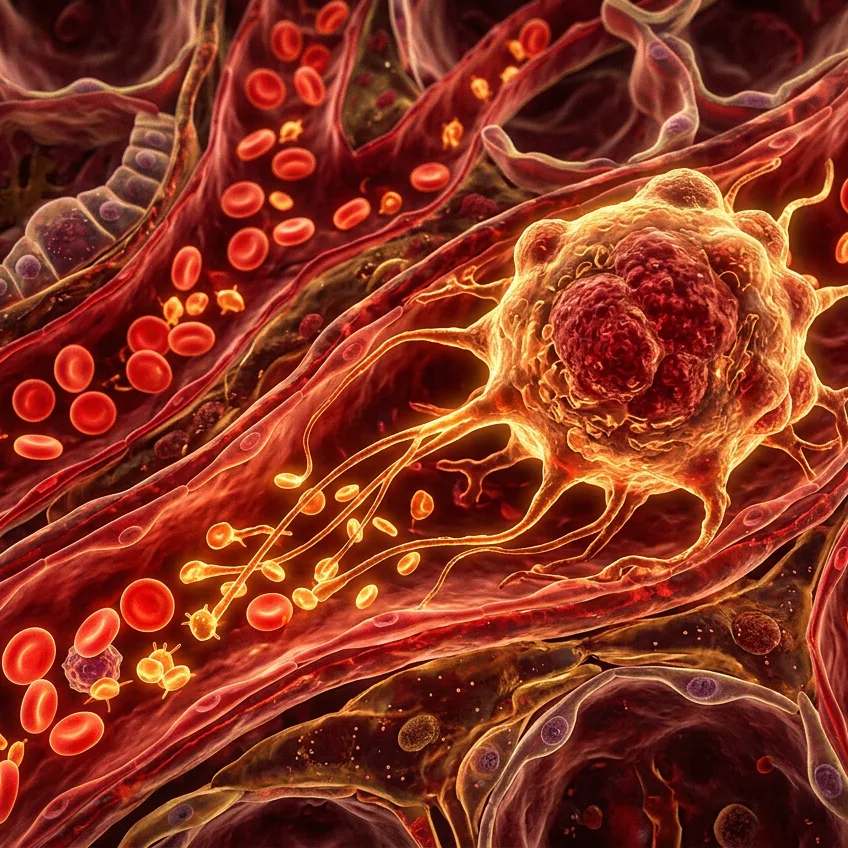
When blood pressure rises or blood volume increases excessively, the walls of the cardiac atria undergo physical stretching. As an immediate response to this mechanical stretch, atrial cardiomyocytes release a potent hormone directly into the bloodstream: atrial natriuretic peptide (ANP). This molecule acts as an emergency signal that travels to target organs:
- Removes excess fluids: It orders the kidneys to increase the excretion of sodium and water through urine, which reduces the circulating fluid volume in minutes.
- Relaxes the arteries: It triggers direct vasodilation in vascular muscular walls, lowering peripheral resistance.
- Blocks hypertensive signals: It drastically inhibits the production of renin and aldosterone, the hormones responsible for retaining salts and constricting vessels.
This endocrine mechanism reveals that the heart is not merely an executor subordinate to the brain, but a sophisticated metabolic sensor capable of making biochemical decisions to shield your arteries against heart attacks and heart failure.
Source: Life Sciences / Proceedings of the National Academy of Sciences (Studies by Adolfo de Bold on ANP)