For more than two thousand years, medicine defined the heart exclusively as a hydraulic pump: a tireless muscular tissue whose sole purpose was to drive pressurized blood through the vascular tree. However, in 1981, Spanish-Canadian pathologist Adolfo J. de Bold shattered this paradigm with a fascinating discovery: the heart is also an endocrine organ of vital importance.
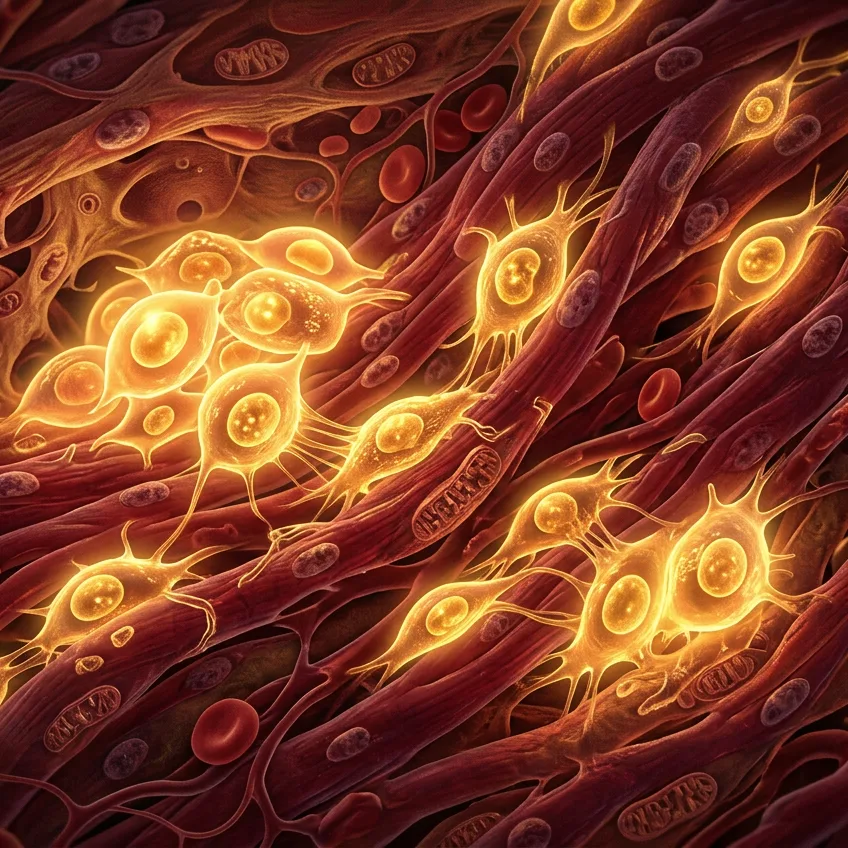
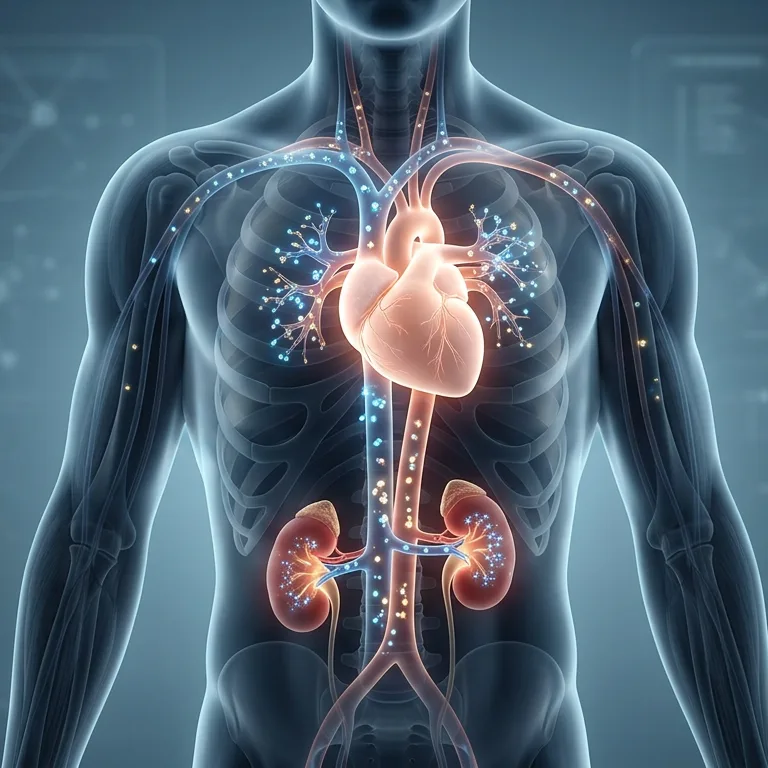
When the body's blood volume rises excessively, the walls of the cardiac atria mechanically stretch beyond their usual range. In response to this physical tension, atrial cardiomyocytes release a specialized hormone into the bloodstream called atrial natriuretic peptide (ANP). This molecule travels rapidly to the kidneys to issue a forceful command: open the floodgates and massively excrete sodium and water through the urine.
The overall effect of ANP on the body is extraordinarily precise and multifaceted:
- Immediate natriuresis and diuresis: It reduces circulating plasma volume in a matter of minutes, easing the load on the system.
- Direct vasodilation: It relaxes the smooth muscle of the arteries, instantly lowering vascular resistance and blood pressure.
- Molecular brake: It drastically inhibits the secretion of renin, aldosterone, and vasopressin, shutting down the hormonal mechanisms that retain fluids.
Thanks to this sophisticated hormonal sensor built into its own chambers, the heart does not rely solely on the brain or adrenal glands to survive pressure overloads: it monitors and balances its own workload in real time to shield your cardiovascular health.
Source: The Journal of Physiology / Canadian Journal of Physiology and Pharmacology (Dr. Adolfo de Bold's research on ANP)