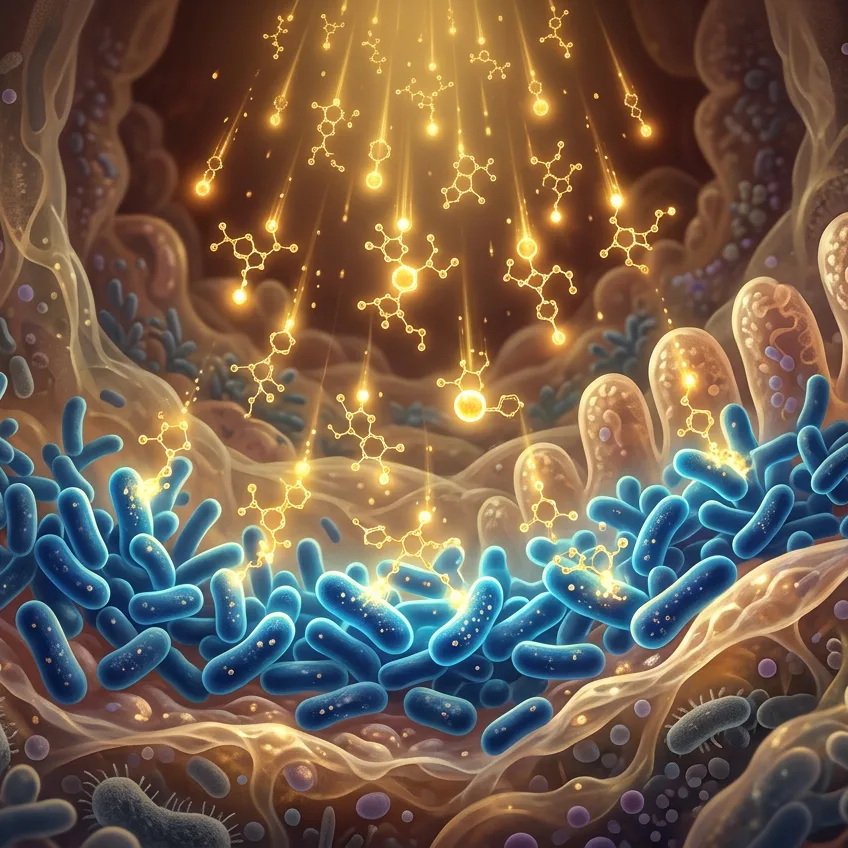
For decades, breastfeeding was considered a strictly one-way street: the breast produced nourishment, and the infant merely consumed it. However, biomedical studies and high-resolution ultrasounds have revealed an astonishing phenomenon known as retrograde saliva flow. During suckling, the vacuum mechanics pull small amounts of the baby's oral fluid back into the mother's milk ducts.
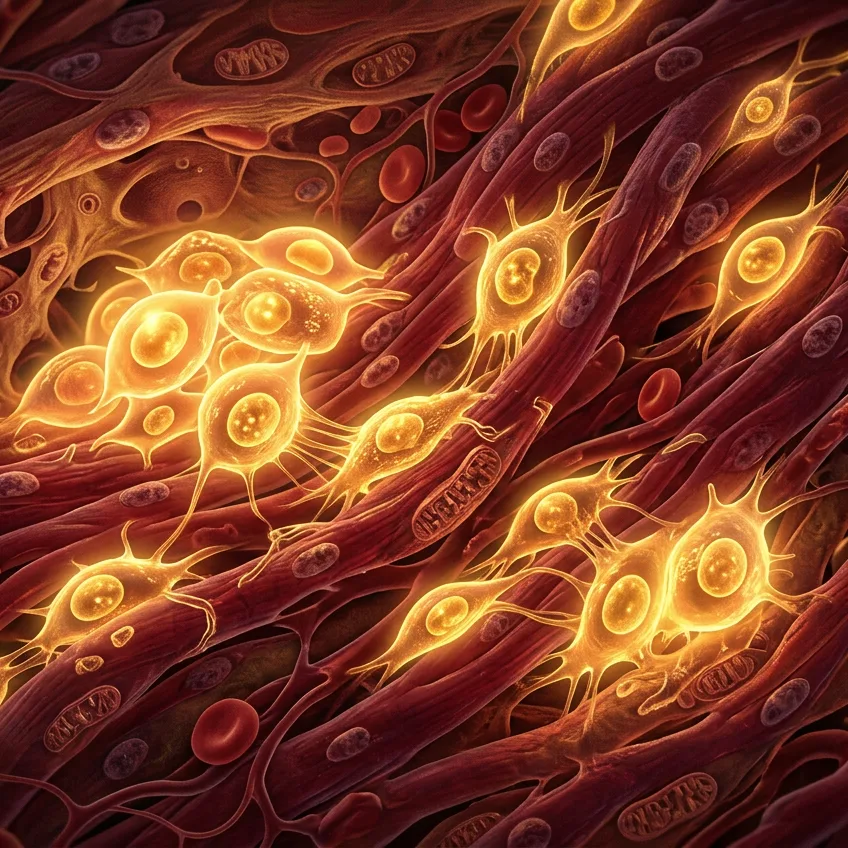
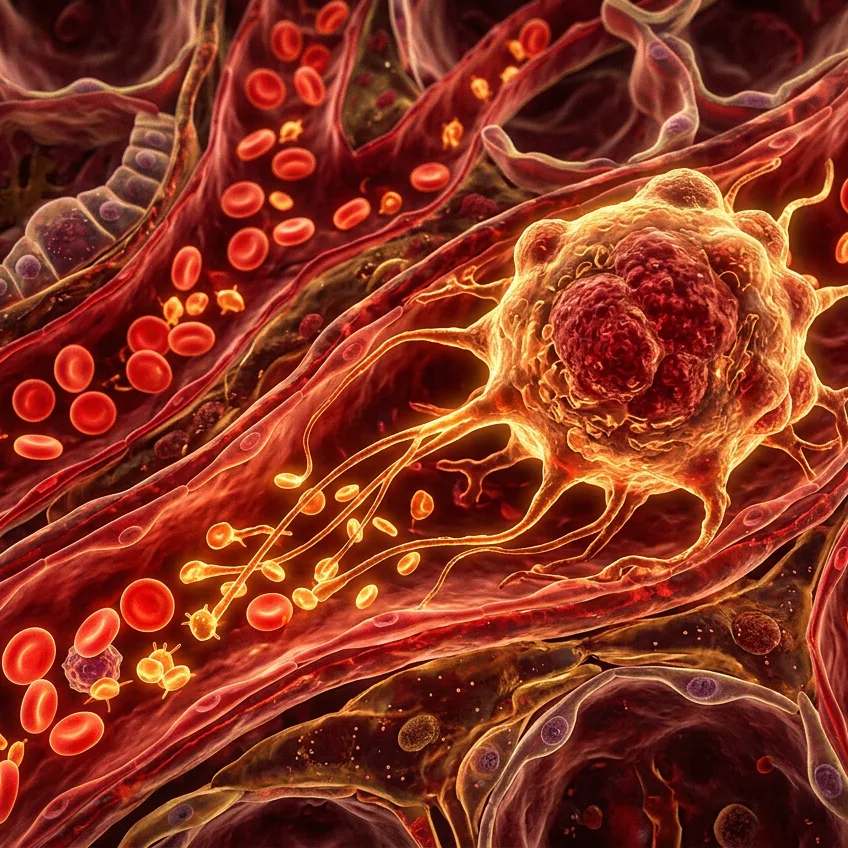
This microscopic exchange acts like a sophisticated biological sensor. The mammary gland hosts a dense network of immune cells that screen the pathogens present in the infant's saliva. If the child has come into contact with a virus or bacterium, the breast tissue identifies the chemical signal of the threat and triggers a systemic defensive response in the mother.
Within hours, the maternal body reorganizes the composition of the milk:
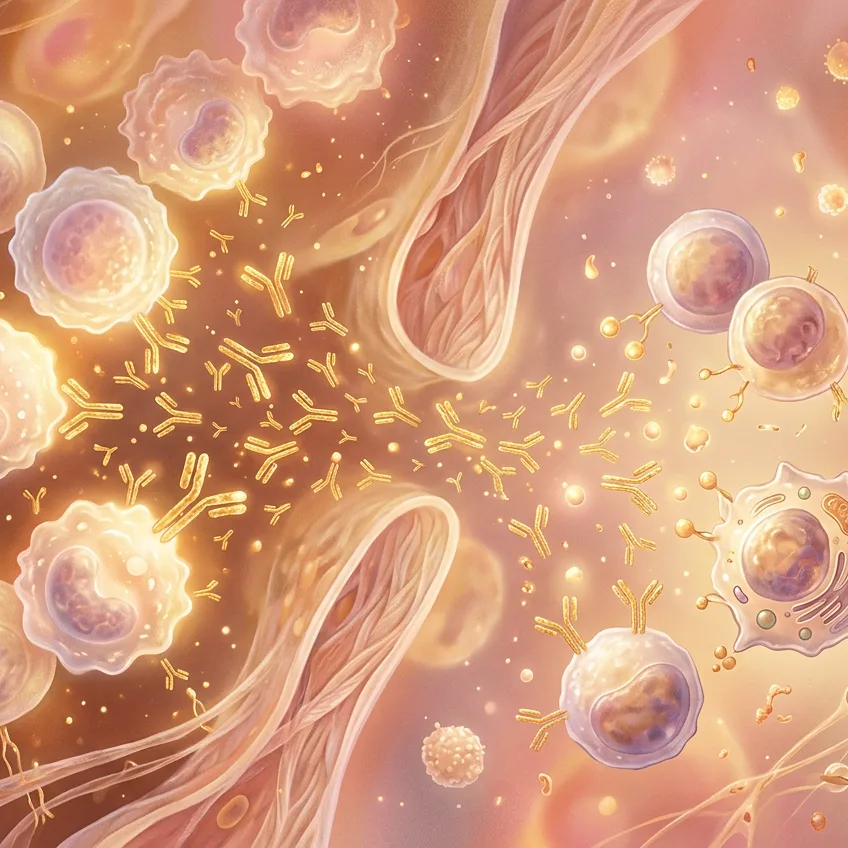
- Leukocyte surge: The presence of protective white blood cells increases massively.
- Secretory immunoglobulin A (sIgA): Antibodies specifically engineered to neutralize the detected microbe with surgical precision are synthesized.
In subsequent feedings, the baby receives personalized biological medicine. This dynamic feedback loop turns the mother's body into a real-time adaptive pharmacy, capable of curbing infections before severe symptoms manifest in the newborn.
Source: Clinical & Translational Immunology