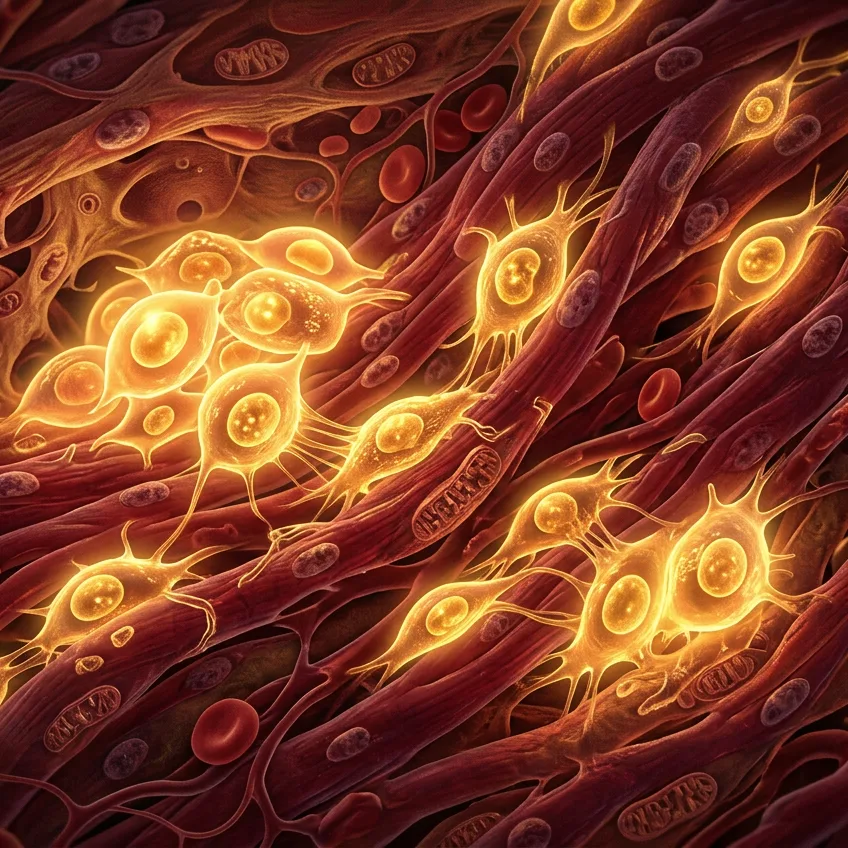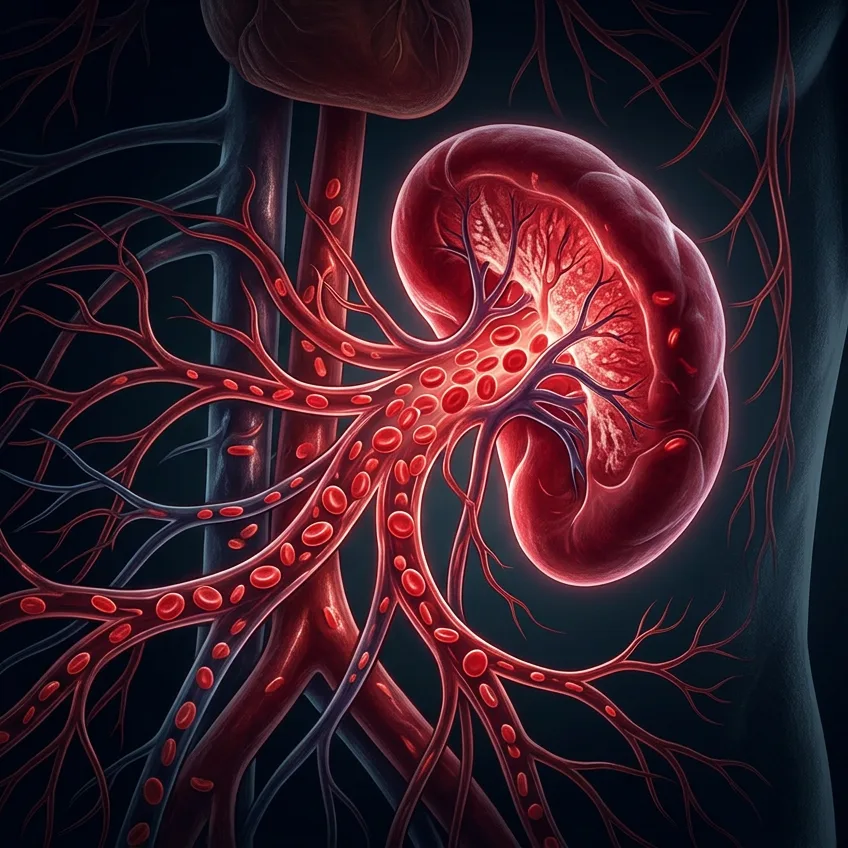
Often considered a secondary and dispensable organ in the event of removal, the spleen harbors an amazing physiological function inherited from our mammalian ancestors: it operates as a biological rescue autotransfusion system. At rest, this organ filters the blood and retains a critical reserve of oxygenated red blood cells and platelets in its red pulp.
When the human body detects a drastic drop in oxygen levels—such as during a freediving breath-hold or limit anaerobic exertion—the sympathetic nervous system triggers an instant reflex. Adrenergic receptors stimulate the smooth muscle of the splenic capsule, causing the spleen to contract and reduce between 18 % and 20 % of its volume in just a few seconds.
This mechanical compression squeezes between 150 and 250 milliliters of blood densely packed with red blood cells into the bloodstream. As a direct consequence, hemoglobin levels and circulating hematocrit rise by up to 10 % almost instantly, suddenly boosting oxygen-carrying capacity to the brain and heart without forcing excessive cardiac output.
This miraculous mechanism, known as the splenic reflex, is the key that allows freedivers to hold their breath for several minutes underwater. In fact, studies on the marine nomad Bajau people in Southeast Asia showed that they have evolutionarily developed spleens 50 % larger, granting them an unmatched natural autotransfusion reserve in the human realm.
Source: Cell / Journal of Applied Physiology (Ilardo et al., 'Physiological and Genetic Adaptations to Diving in Sea Nomads')