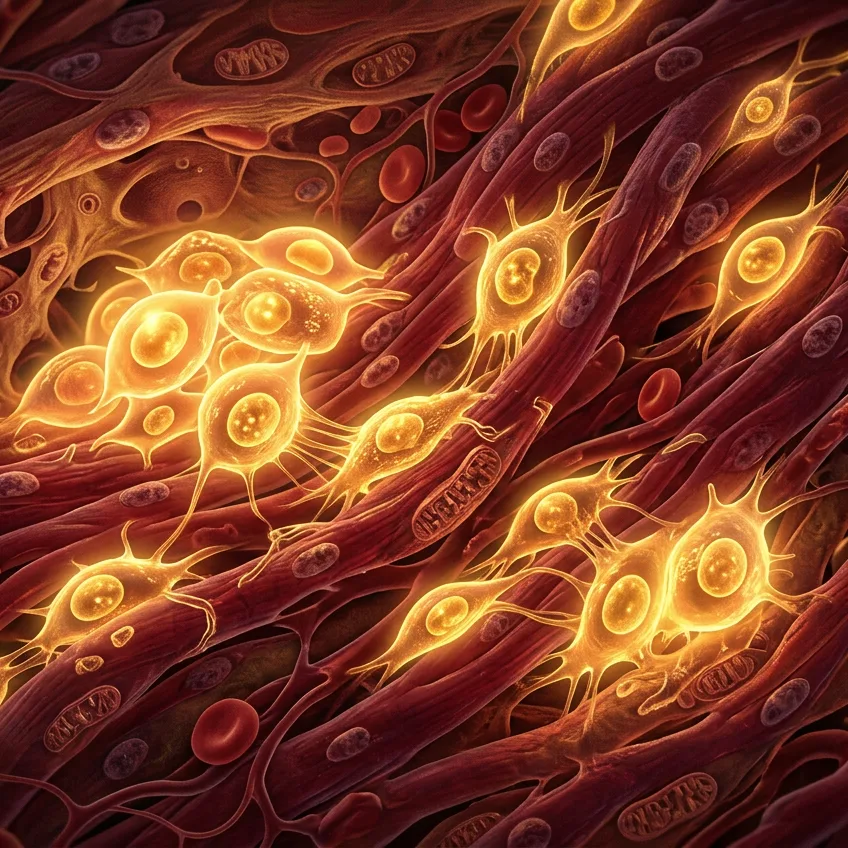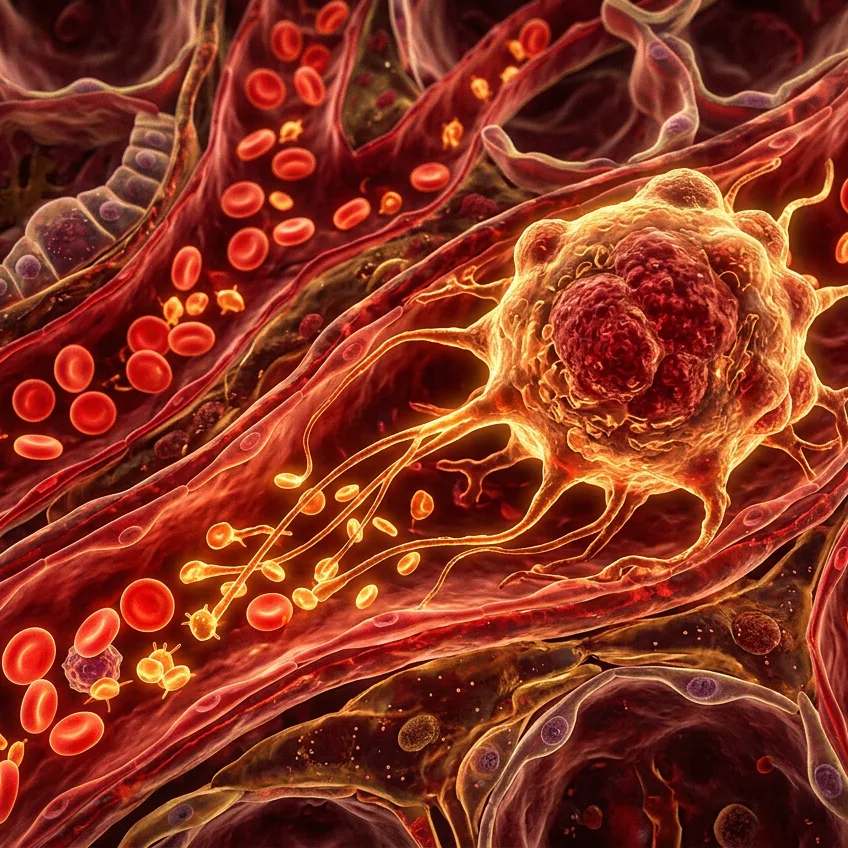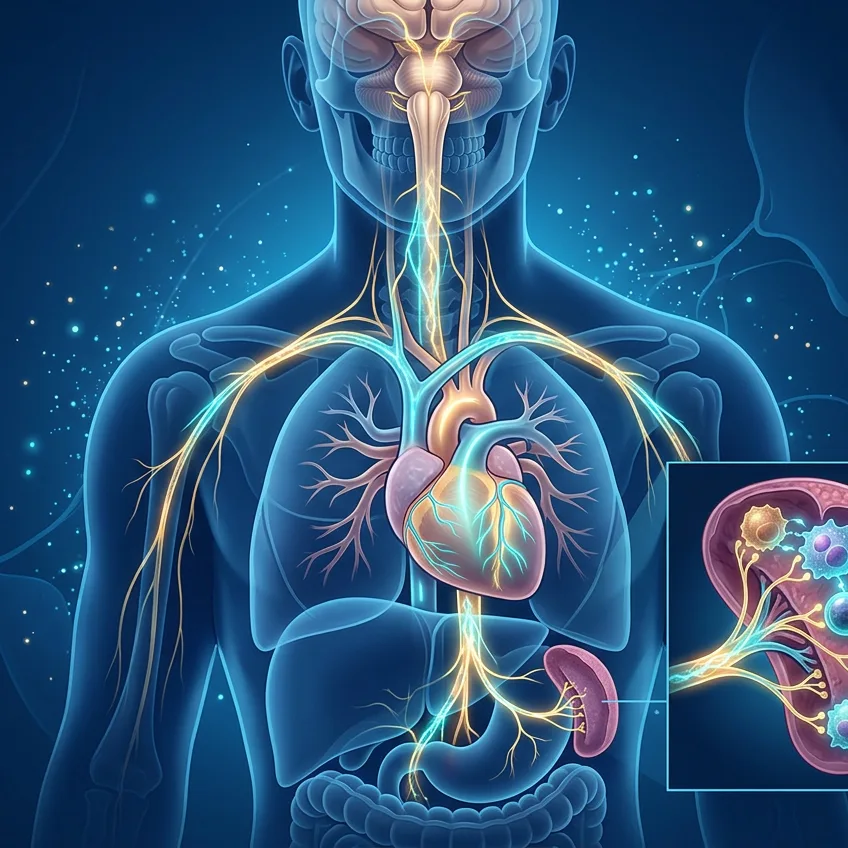
For centuries, medicine considered the nervous system and the immune system to operate as nearly independent entities. However, in the late 1990s, American neurosurgeon Kevin Tracey discovered a revolutionary mechanism: the inflammatory reflex, a direct neural circuit that uses bioelectric signals to moderate immune system activity.
The protagonist of this connection is the vagus nerve, the body's longest cranial nerve, which extends from the brainstem to the abdominal organs. When defense cells detect pathogens or cellular damage, they release inflammatory molecules called cytokines, such as tumor necrosis factor (TNF). Although these substances are essential for fighting infections, their excess wreaks havoc in diseases such as rheumatoid arthritis, septic shock, or Crohn's disease.
Surprisingly, the vagus nerve not only monitors cytokine levels in real time, but also sends descending electrical impulses to the spleen. There, a subpopulation of T cells responds by releasing acetylcholine, a neurotransmitter that binds to macrophage receptors and orders them to immediately halt the production of inflammatory toxins.
- Immediate effect: This electrical brake stops TNF production in a matter of minutes, much faster than any conventional anti-inflammatory drug.
- Bioelectronic medicine: Coin-sized implantable devices have managed to drastically reduce inflammation in clinical trials without the side effects of immunosuppressants.
This finding has given rise to bioelectronic medicine, demonstrating that intentionally modulating the vagus nerve—whether through technology, deep breathing, or cold stimulation—is a promising way to restore metabolic and immunological well-being.
Source: Nature Reviews Immunology / The Feinstein Institutes for Medical Research