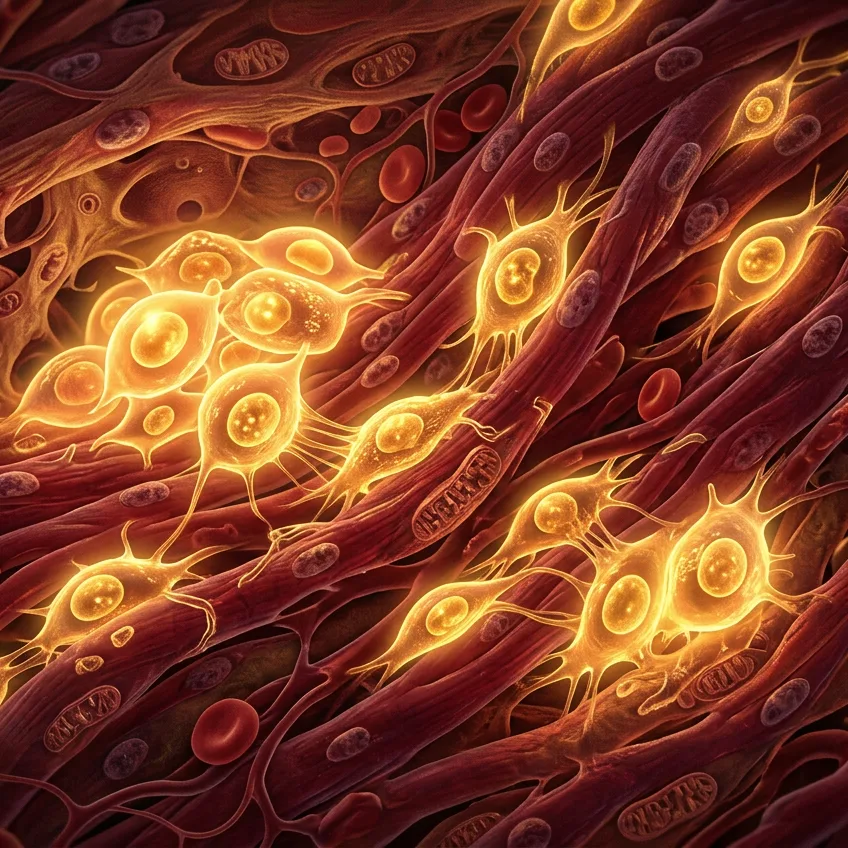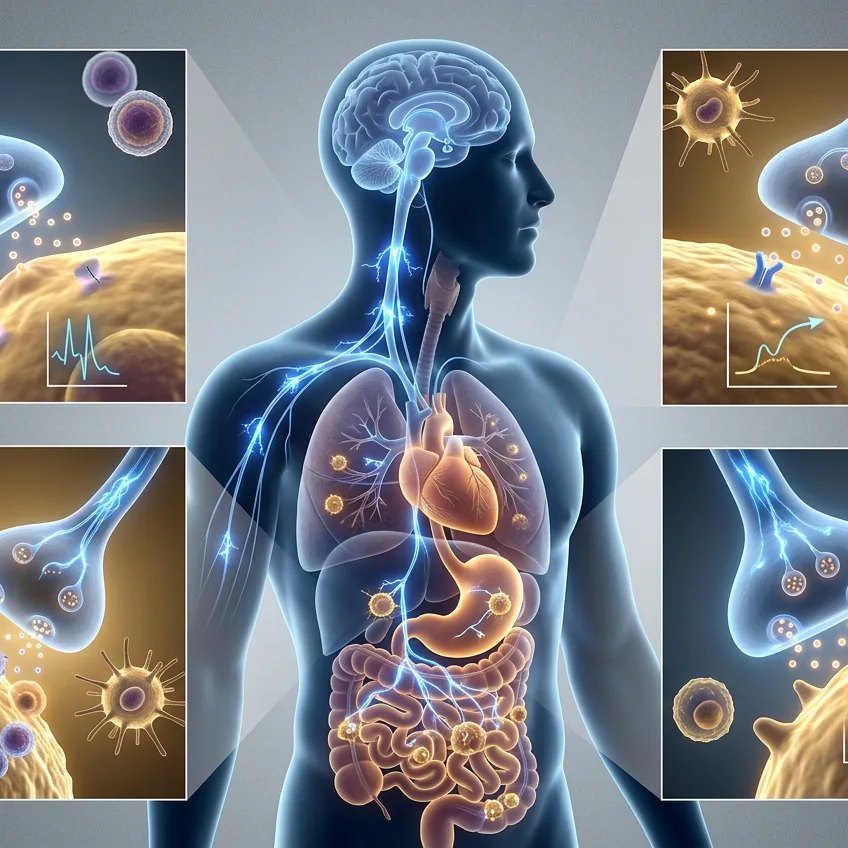
For decades, medical textbooks maintained that the immune system operated entirely autonomously, like a dispersed cellular patrol detached from direct brain control. However, in the late 1990s, neurosurgeon Kevin Tracey demonstrated the existence of the inflammatory reflex: a real-time neurophysiological circuit through which the brain detects and curbs the immune response using electrical impulses.
This mechanism operates through a two-way biological highway coordinated by the vagus nerve:
- Sensory detection: Sensory fibers of the vagus nerve detect the presence of inflammatory cytokines (such as tumor necrosis factor, or TNF) released during an infection or injury, sending an instant alert to the brainstem.
- Processing and response: The brain evaluates the magnitude of the threat and transmits a descending electrical signal to prevent inflammation from becoming destructive to healthy tissues.
- The molecular switch: In the spleen, this signal stimulates specialized T cells to release acetylcholine. This neurotransmitter interacts with alpha-7 nicotinic receptors on macrophages, ordering them to immediately stop the production of harmful cytokines.
The discovery of this cholinergic anti-inflammatory pathway gave rise to bioelectronic medicine. Today, bioengineers and physicians use tiny implants to electrically stimulate the vagus nerve, shutting down severe flare-ups of rheumatoid arthritis or Crohn's disease without requiring traditional immunosuppressive drugs.
Source: Nature (Tracey, K. J., 'The inflammatory reflex', Nature 420, 2002)