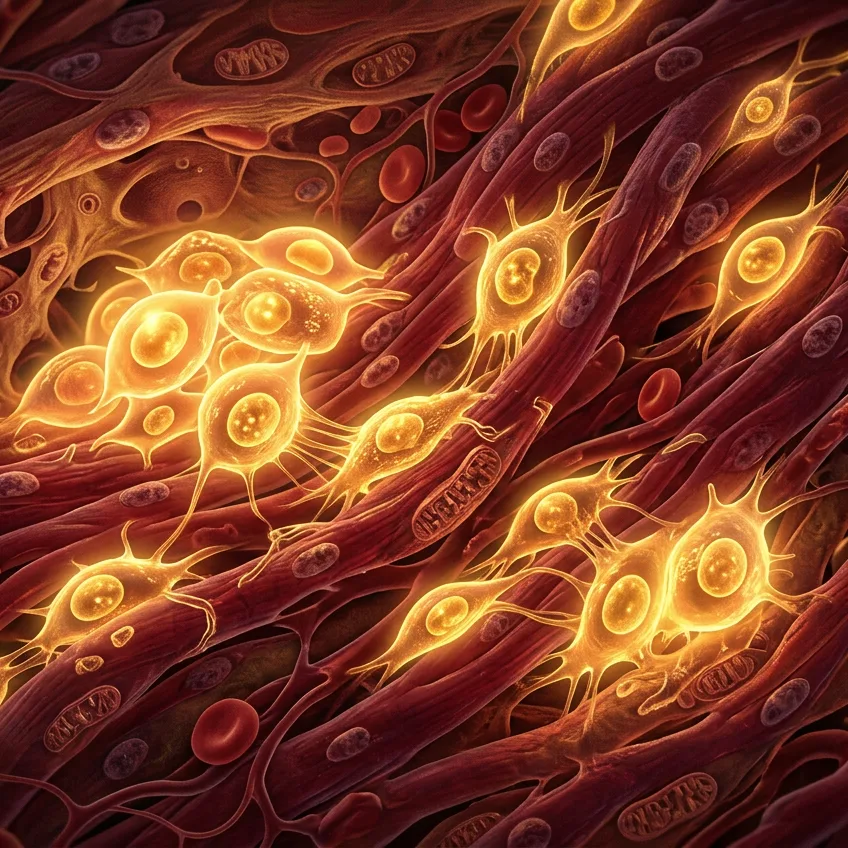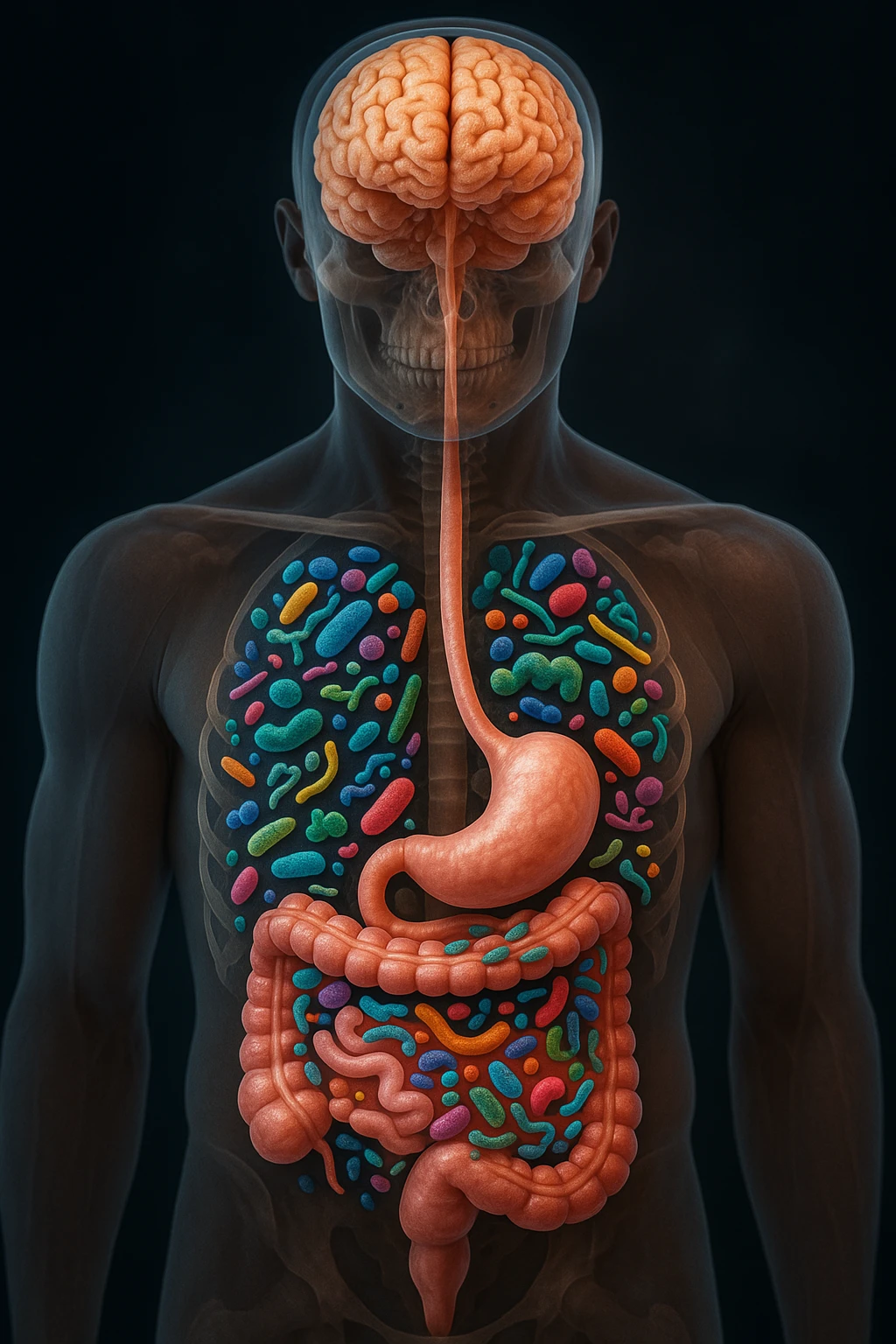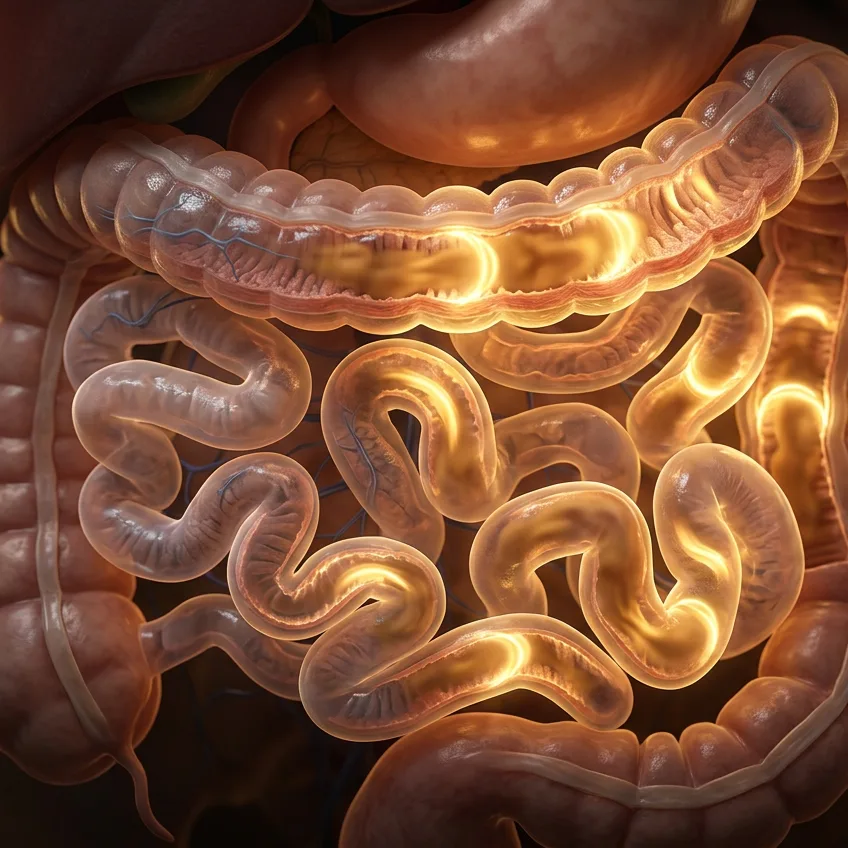
When you hear your stomach growl hours after eating, it does not always mean your body is demanding calories right away. In many cases, you are witnessing the culminating phase of the Migrating Motor Complex (MMC), a sophisticated cycle of muscle contractions that acts as the digestive system's internal cleaning service.
Described in 1969 by physiologist Joseph Szurszewski, this mechanism only activates during the interdigestive period, meaning when the stomach and small intestine are fasting. The complete cycle lasts between 90 and 120 minutes and consists of four consecutive phases:
- Phase I: A period of almost absolute rest lasting between 45 and 60 minutes.
- Phase II: Intermittent and progressive contractions over the course of about 30 minutes.
- Phase III: The most intense phase. For 5 to 15 minutes, powerful, regular peristaltic waves are unleashed, sweeping undigested food debris, mucus, and dead cells toward the colon.
- Phase IV: A brief transition that returns the intestine to rest to restart the cycle.
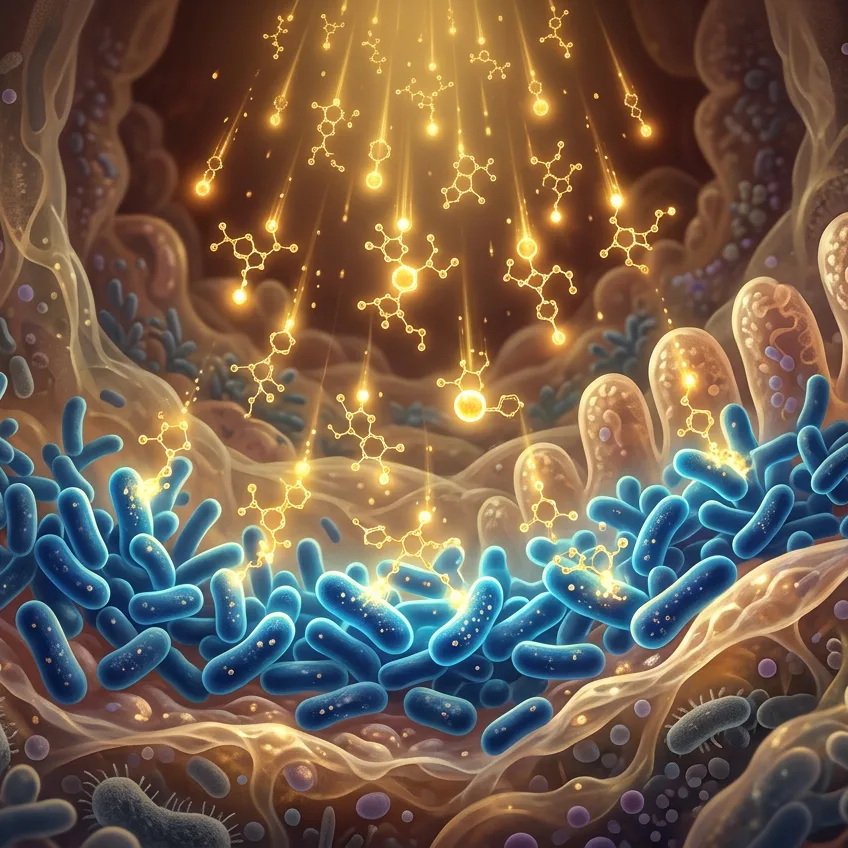
Regulated mainly by the hormone motilin and the enteric nervous system, this sweep serves an essential prophylactic function: it prevents microbes from the large intestine from migrating backward into the small intestine, protecting the body from pathologies such as small intestinal bacterial overgrowth (SIBO).
Any food intake, no matter how small, interrupts the process instantly. A simple latte or a snack shuts off this 'cleaning mode' to return the stomach to its grinding and absorption routine, highlighting the physiological importance of allowing digestive breaks between meals.
Source: The Journal of Physiology (Szurszewski, J. H., 1969; Deloose et al., 2012)