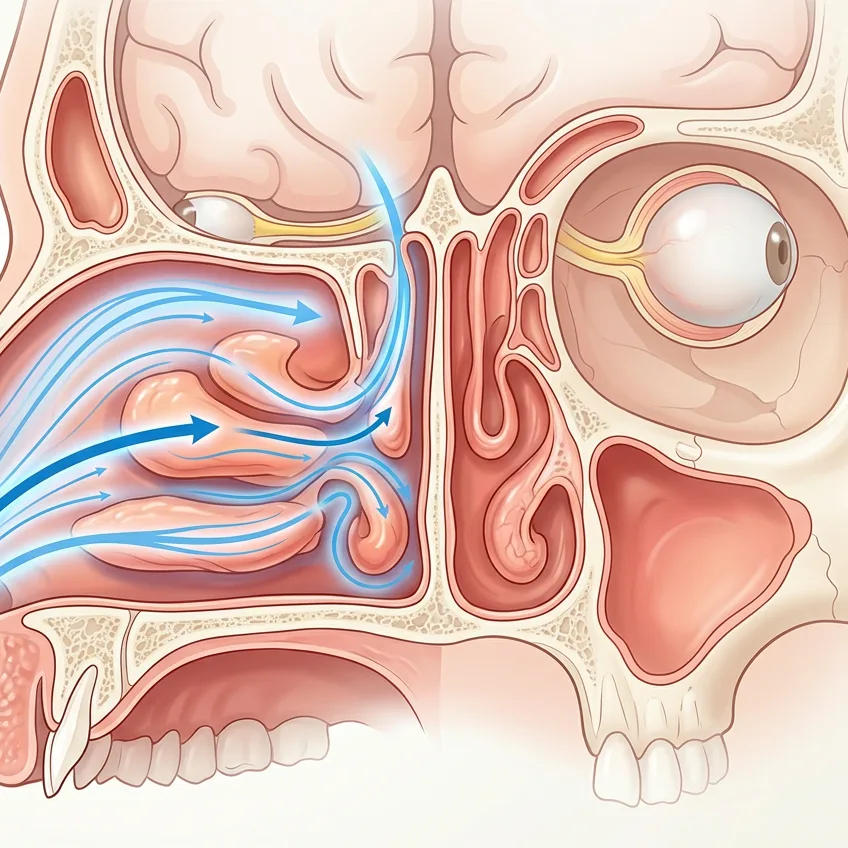
Although most people assume they inhale the same amount of air through both nostrils simultaneously, the human body actually alternates the main airflow from one side to the other throughout the day. This physiological phenomenon, formally described in 1895 by German physician Richard Kayser, is known as the nasal cycle and is continuously regulated by the autonomic nervous system.
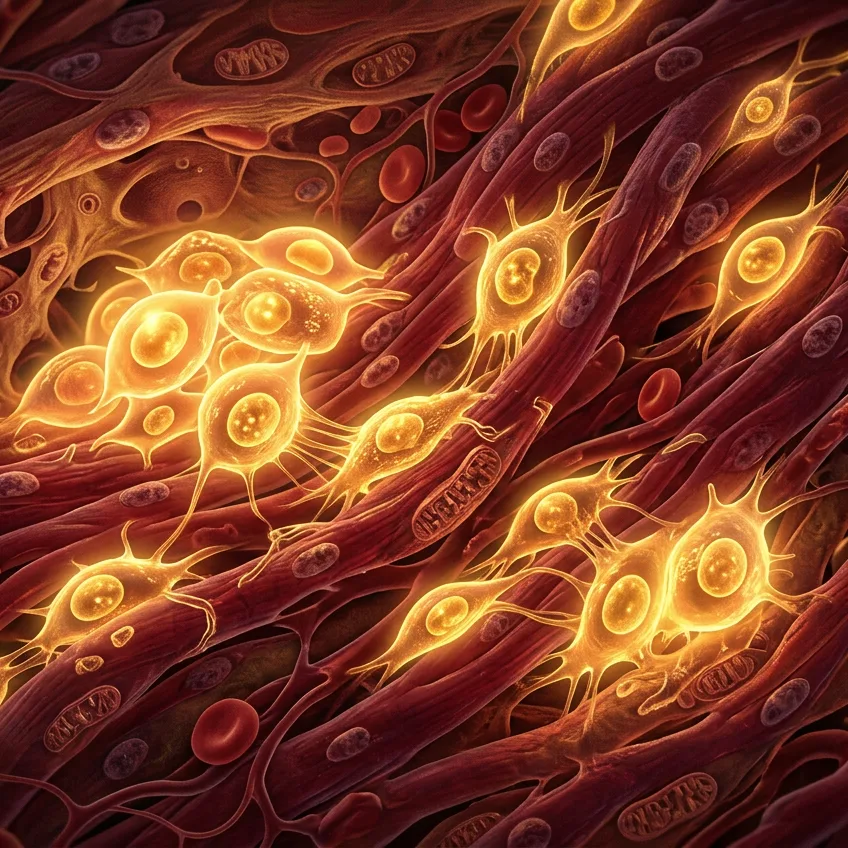
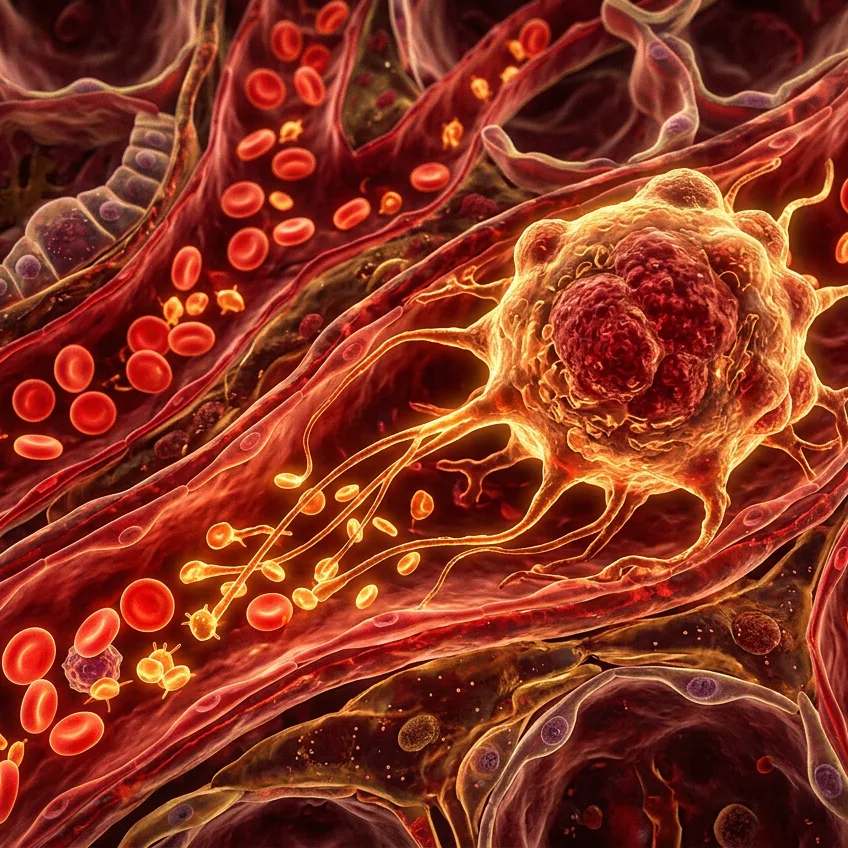
At regular intervals between 2 and 6 hours, the body intentionally congests the turbinates in one nostril while fully opening the opposite one. What is fascinating lies in the mechanism that makes this possible: the nasal mucosa contains specialized erectile tissue—rich in vascular sinusoids similar to those in the reproductive system—capable of swelling or shrinking through blood vasoconstriction and vasodilation.
This constant alternation serves two crucial functions for health and the senses:
- Protection and hydration of the mucosa: The congested airway drastically reduces its airflow, giving the cellular cilia and mucus the chance to rehydrate, preventing cold and dry air from damaging the nasal epithelium.
- Bifocal olfactory vision: Olfactory receptors process scents according to their absorption rate. Fast-absorbing molecules need a rapid airflow to be detected, while slow-absorbing ones require a slow stream in the congested nostril to bind to the epithelium.
Source: Journal of Applied Physiology (The nasal cycle and its physiological implications)