We tend to associate sighing with sadness, boredom, or emotional relief. However, the body does not sigh for poetry, but for strict mechanical survival. On average, an adult human breathes an involuntary sigh about twelve times per hour (roughly once every five minutes) without realizing it.
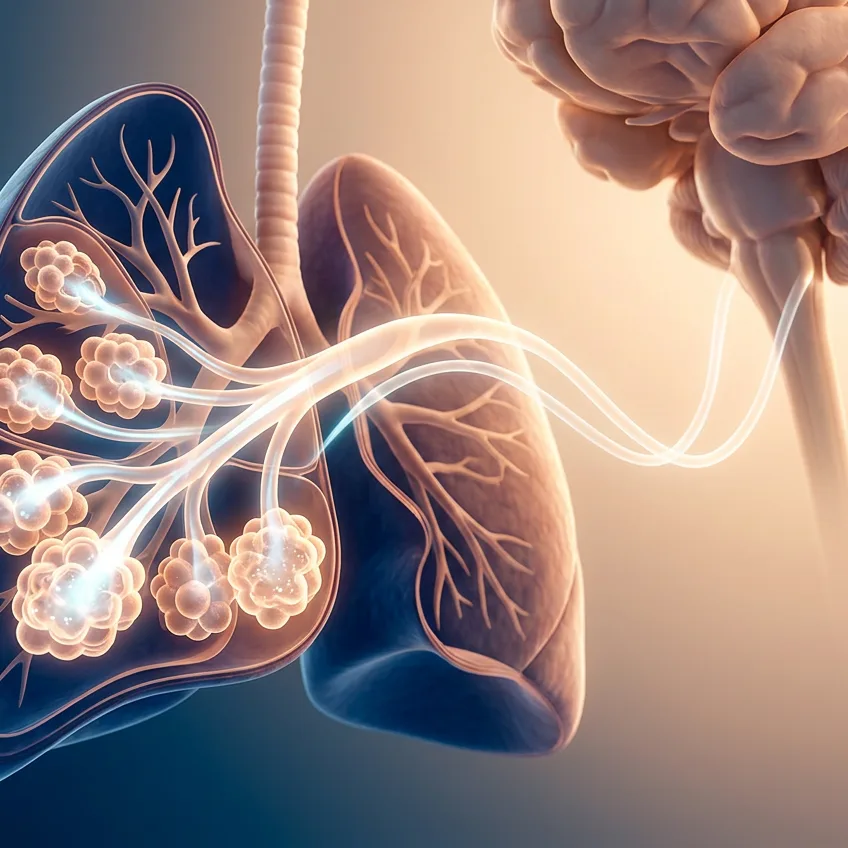
The reason lies in pulmonary architecture. The lungs house around 500 million alveoli, tiny membranous sacs where oxygen passes into the bloodstream. During normal, relaxed breathing, many of these alveoli do not receive enough inflation pressure. Over the course of minutes, their moist walls suffer microatelectasis: they collapse on themselves and stick together like wet plastic bags, reducing oxygenation capacity.
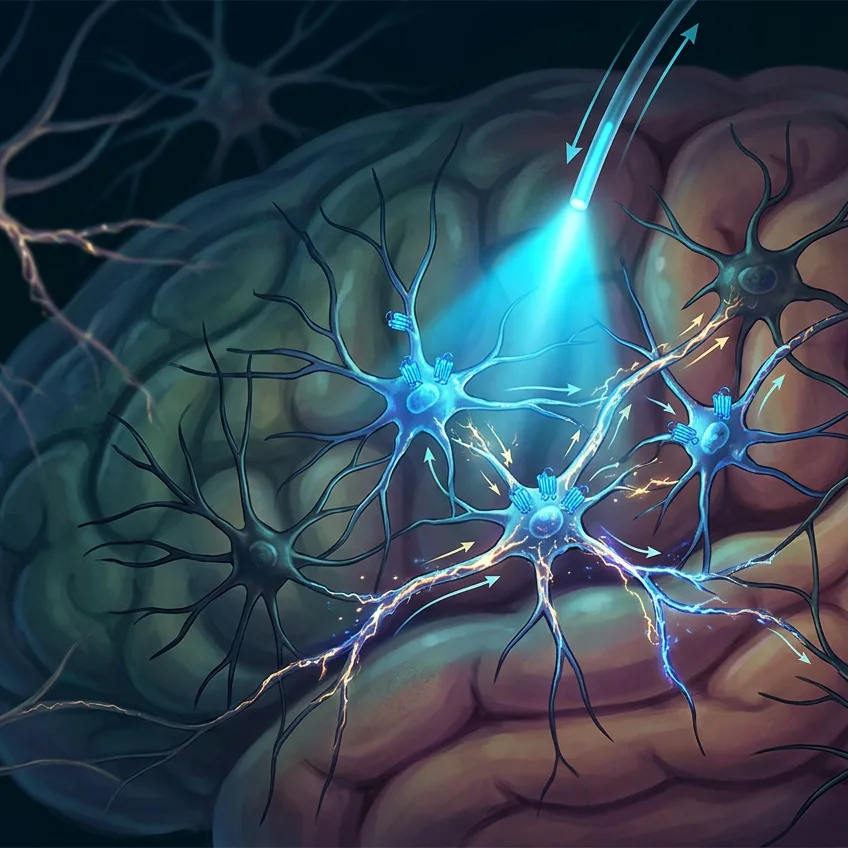
To prevent this, the brainstem relies on a master circuit discovered by neurobiologists at UCLA and Stanford universities in the pre-Bötzinger complex. Just two hundred neurons, orchestrated by the neuropeptides NMB and GRP, detect the drop in respiratory efficiency and trigger a reflex command: a regular inhalation immediately followed by a second intake that doubles the normal volume of air.
This overpressure overcomes surface tension and pops open the collapsed sacs, recycling stagnant air and restoring gas exchange. In fact, recent research has shown that deliberately mimicking this pattern—two short inhales through the nose and a slow exhale through the mouth—rapidly stimulates the vagus nerve, lowering heart rate and deactivating stress faster than conventional meditation.
Source: Nature (2016; DOI: 10.1038/nature16964) and Cell Reports Medicine (2023; DOI: 10.1016/j.xcrm.2022.100895)