For decades, medicine assumed that the immune system and the nervous system operated completely independently: defenses fought pathogens on their own, while the brain merely coordinated thoughts, reflexes, and vital organs. However, in the late 1990s, American neurosurgeon Kevin Tracey discovered a mechanism that rewrote physiology: the cholinergic anti-inflammatory pathway.
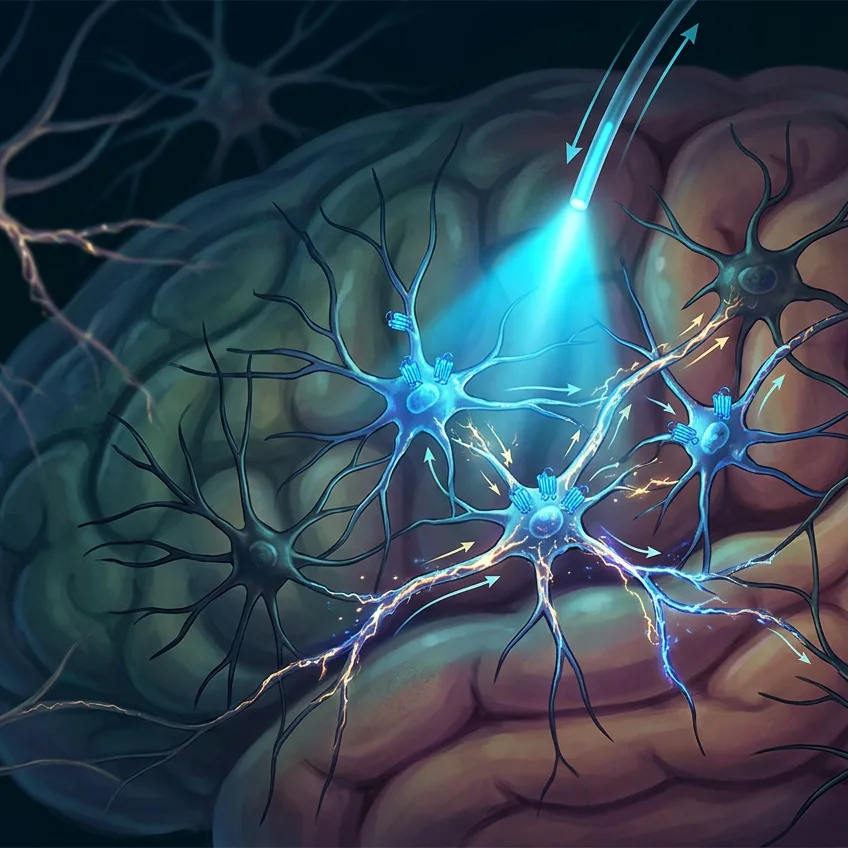
While researching how to prevent septic shock, Tracey discovered that minimal electrical stimulation of the vagus nerve—the body's longest cranial nerve—instantly halted the production of TNF (tumor necrosis factor) and other damaging cytokines within minutes. The circuit follows a millimeter-precise choreography:
- The electrical impulse: The brain detects peripheral inflammation and dispatches an efferent signal through the vagus nerve toward the celiac ganglion and the splenic nerve.
- The cellular relay: Inside the spleen, the electrical signal activates a very specific subpopulation of CD4+ T lymphocytes, which act as chemical transmitters releasing acetylcholine.
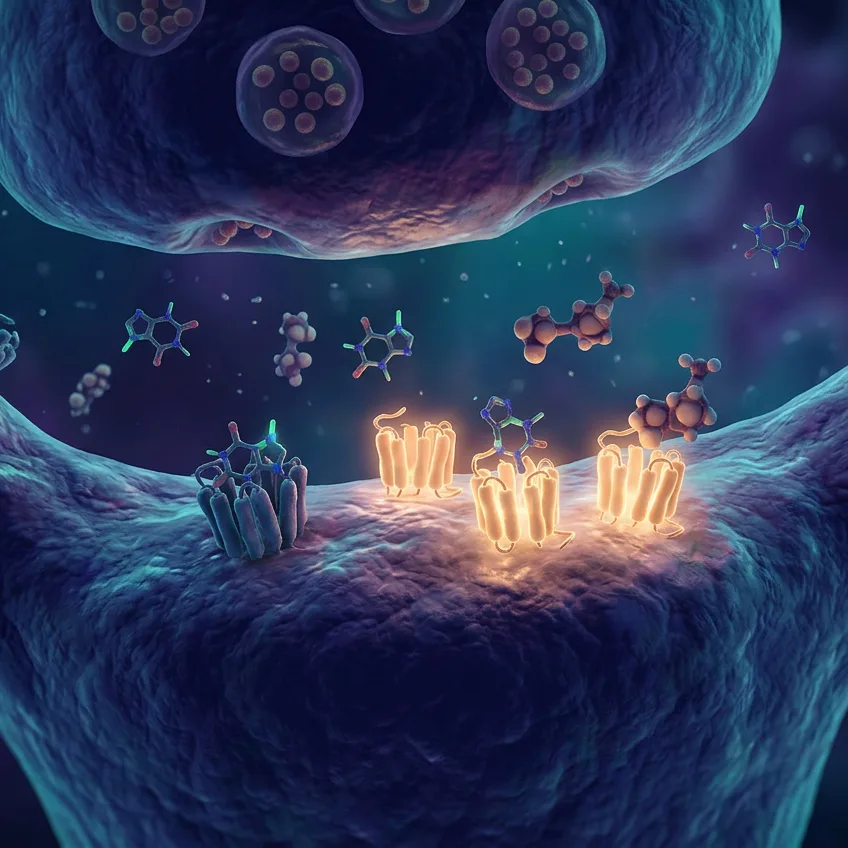
- The cytokine blockade: This molecule binds to alpha-7 nicotinic receptors located on the macrophage membrane, shutting down their molecular machinery and stopping inflammation in its tracks.
This finding biologically demonstrated the mind-body connection: maintaining high vagal tone through slow diaphragmatic breathing, cold stimulation, or moderate exercise helps shut down low-grade chronic inflammation. Today, bioelectronic medicine already implants microchips on the vagus nerve to successfully treat rheumatoid arthritis and Crohn's disease without relying on immunosuppressive drugs.
Source: Nature (Tracey, K. J., 2002: 'The inflammatory reflex')