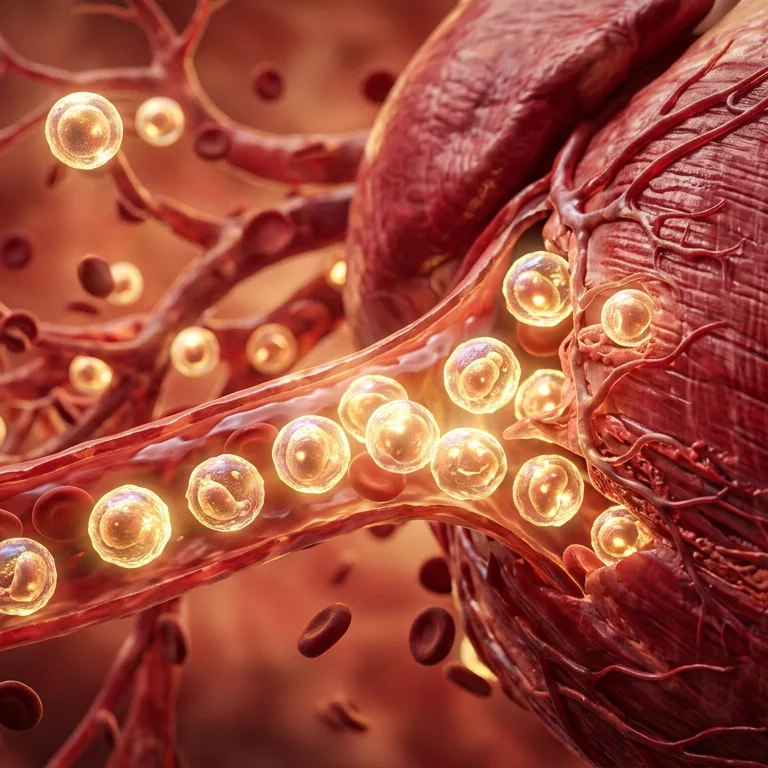
During pregnancy, the placenta does not act as an impassable wall, but rather as a checkpoint with two-way traffic. Through it, an astonishing biological phenomenon known as fetal microchimerism occurs: stem cells from the fetus cross into the maternal bloodstream and permanently settle in the mother's tissues, remaining there for decades after childbirth.
These foreign cells do not stay inactive. Science has shown that they are true pluripotent stem cells capable of differentiating into various specialized tissues according to the needs of the maternal organism:
- Cardiac repair: In cutting-edge cardiological studies, such as those led by Mount Sinai Hospital in New York, it was found that when a mother suffers heart damage or a heart attack, fetal cells migrate urgently to the injured heart and transform into functional cardiomyocytes and new blood vessels to restore tissue.
- Surveillance and healing: Fetal cells have also been found in cesarean section wounds producing active collagen, as well as in the lungs, liver, thyroid, and even crossing the blood-brain barrier inside the maternal brain.
The finding showed that a mother preserves a biological mosaic from each of her biological pregnancies. Although they can sometimes be linked to certain autoimmune responses, this cellular legacy represents a remarkable evolutionary symbiosis: children actively help keep their mother alive and healthy long after being born.
Source: Circulation Research (American Heart Association) & Mount Sinai School of Medicine