For more than a century, microbiology maintained two unquestionable principles: that bacteria are exclusively microscopic and that they lack internal membranes to compartmentalize their genetic material. However, in 2022, an international team led by the Integrative Biology Institute at Berkeley Lab shook the foundations of the discipline by formally describing Candidatus Thiomargarita magnifica.
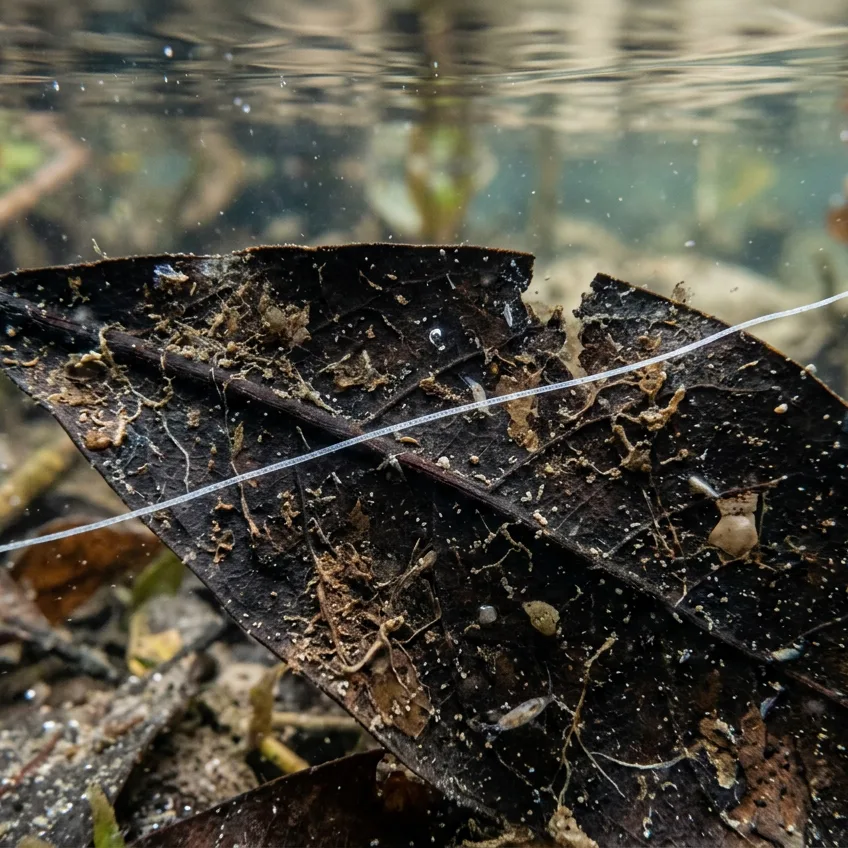
Discovered attached to fallen mangrove leaves in the Caribbean archipelago of Guadeloupe, this filament-shaped bacterium reaches up to two centimeters in length (about 20,000 micrometers). It is about 5,000 times larger than an average bacterium like Escherichia coli and surpasses a common fruit fly in size, allowing it to be observed and manipulated with ordinary tweezers without needing a magnifying glass or microscope.
The real revolution of Thiomargarita magnifica lies in its internal cellular architecture:
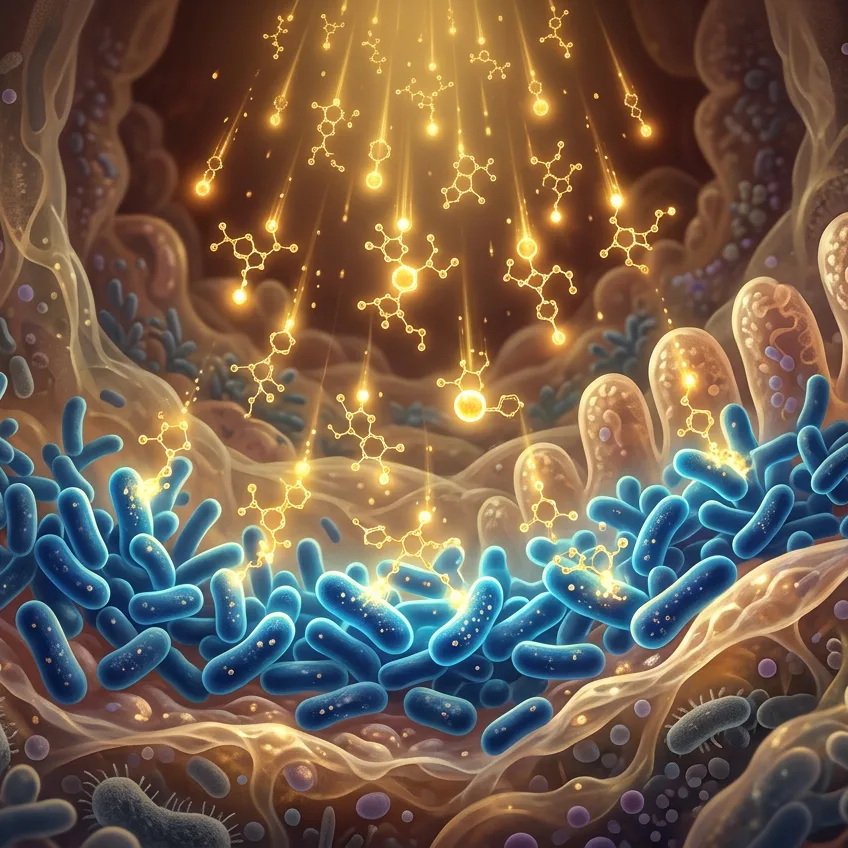
- Organelle-like structures ("pepins"): Unlike other bacteria, whose genome floats freely in the cytoplasm, this species packages its DNA and ribosomes inside membrane-bound sacs, a feature believed to be unique to eukaryotic organisms (such as plants and animals).
- Colossal genome and polyploidy: It harbors more than half a million copies of its complete genome distributed along the filament, accumulating more than three times the number of genes of a standard bacterium to sustain the metabolism of a single gigantic cell.
This astonishing organism demonstrates that the morphological and genetic boundary between simple and complex cells is much more porous and fascinating than science imagined.
Source: Science (Volland et al., 2022 - 'A centimeter-long bacterium with DNA contained in metabolically active, membrane-bound organelles')