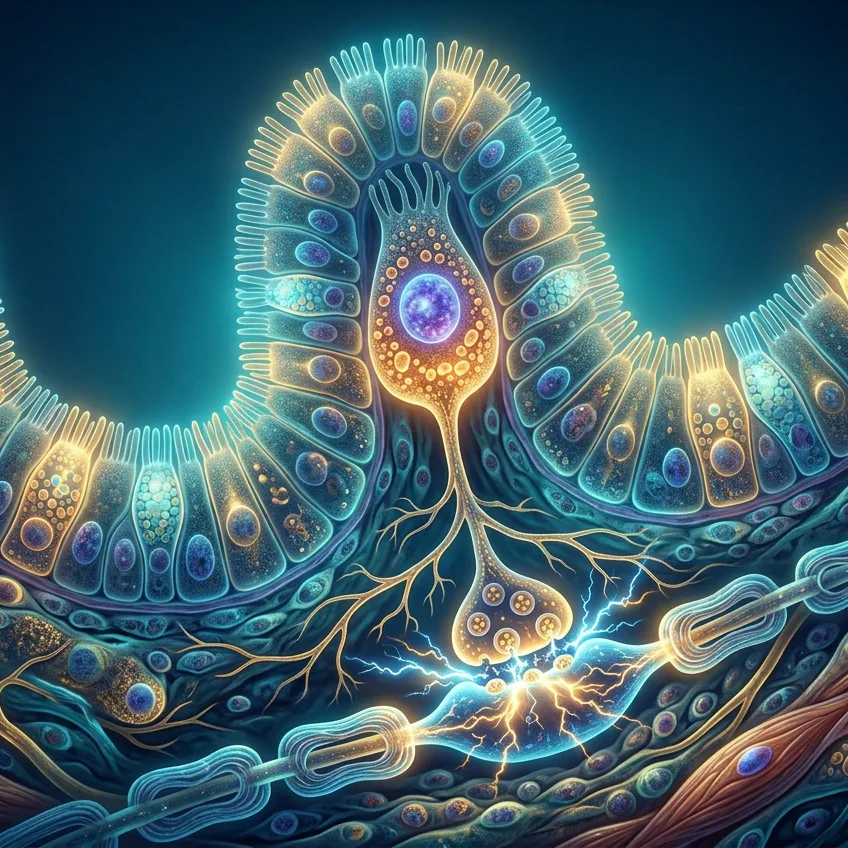
For more than a century, neuroscience believed that communication between the digestive system and the brain relied exclusively on hormones released into the bloodstream, a slow chemical process taking between ten and thirty minutes to take effect. However, a discovery led by researchers at Duke University revealed the existence of neuropods, structures that have completely reshaped the neurobiological map of our body.
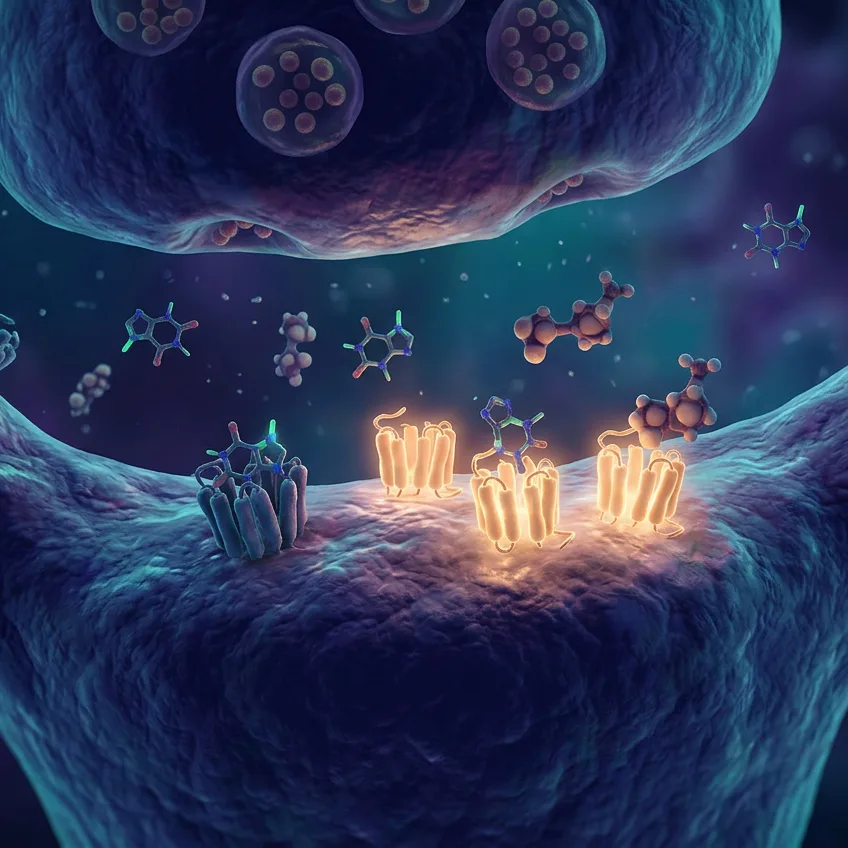
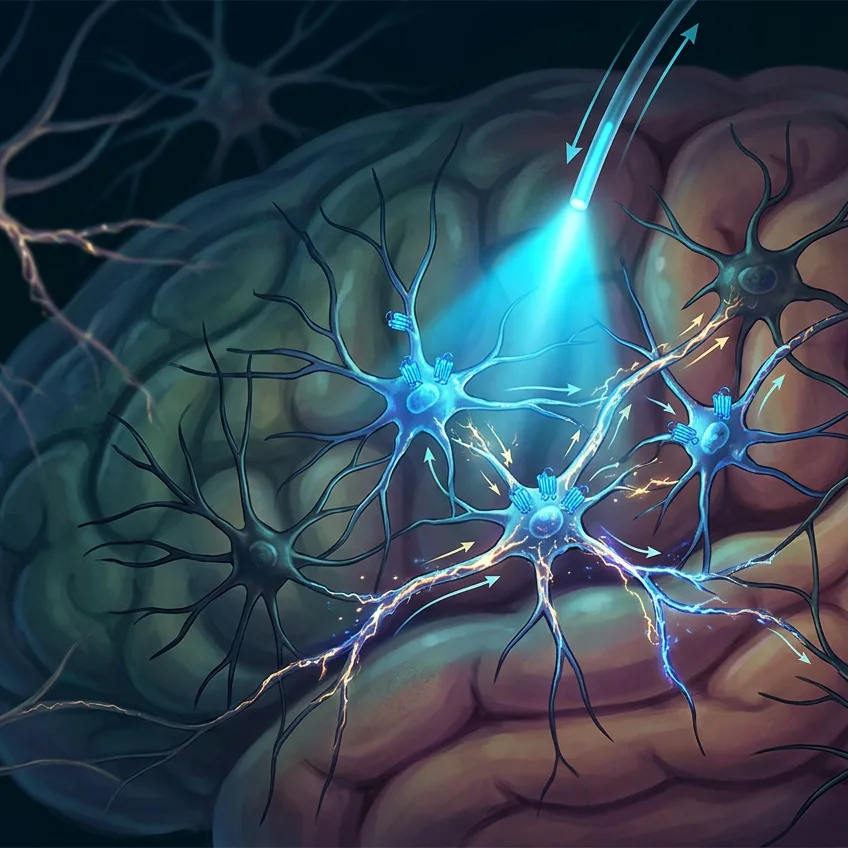
Neuropods are microscopic basal prolongations emitted by enteroendocrine cells located in the mucosa of the intestinal epithelium. Instead of merely pouring chemical messengers into the blood, these cells form genuine neuronal synapses directly with the endings of the vagus nerve. Through the neurotransmitter glutamate, they send electrical signals to the brainstem in less than one hundred milliseconds, an imperceptible speed faster than the blink of an eye.
- Instant nutrient detection: Thanks to this biological fiber-optic network, the brain distinguishes between real sugar and artificial sweeteners before nutrients even begin to be absorbed.
- Shield against toxins: It allows alerting the central nervous system to harmful substances almost immediately to coordinate protective responses such as nausea.
This circuit demonstrates that the gut possesses a direct sensory channel similar to taste on the tongue or sight in the retina, biologically consolidating the basis for gut feelings.
Source: Science (Bohórquez et al., 2018 - 'A gut-brain neural circuit for nutrient sensory transduction')