For generations, classic anatomy and physiology textbooks taught a truth that seemed immutable: blood and all its cellular components are forged almost exclusively inside the bone marrow. However, pioneering research led by the University of California, San Francisco (UCSF) and published in the journal Nature in 2017 overturned this dogma by showing that the lungs play a leading role in blood production, producing more than 50 % of circulating platelets in mammals.
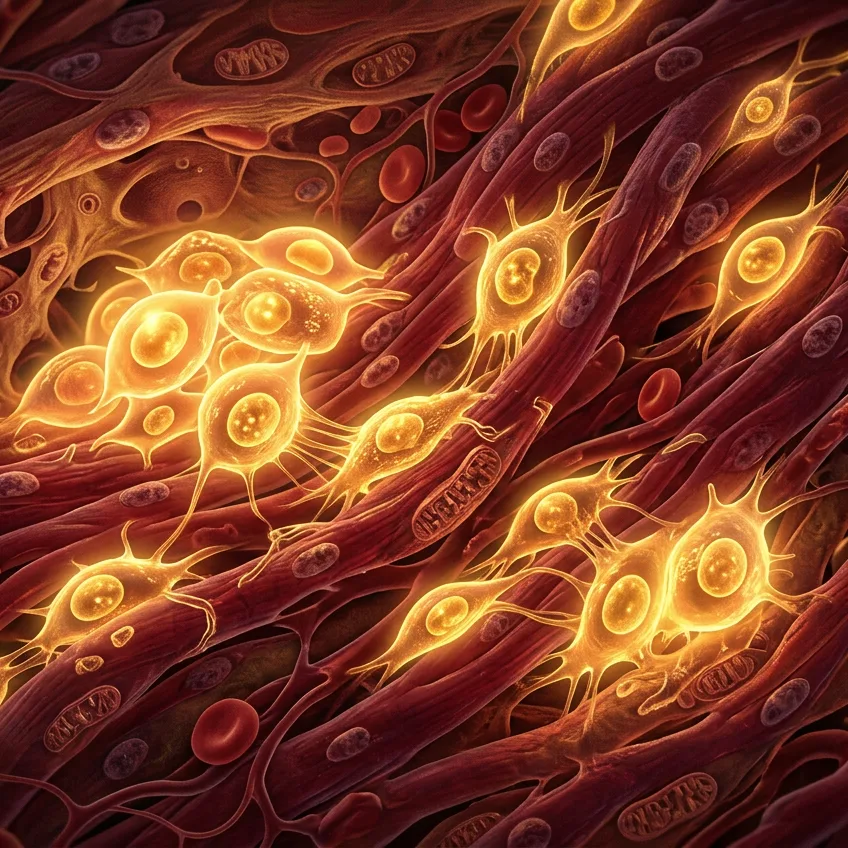
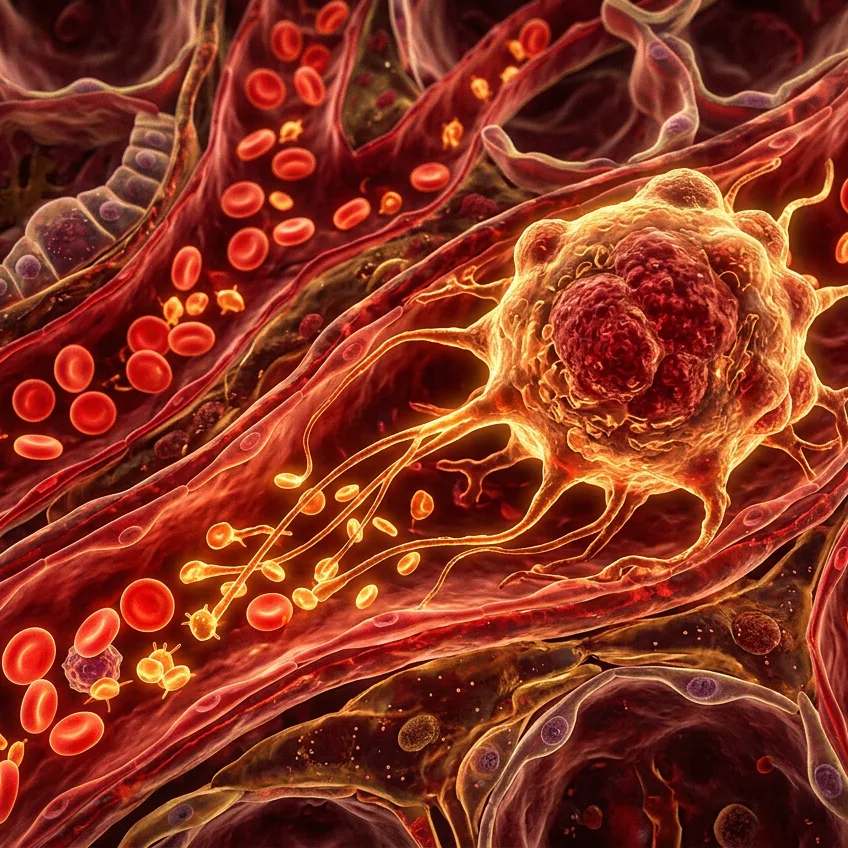
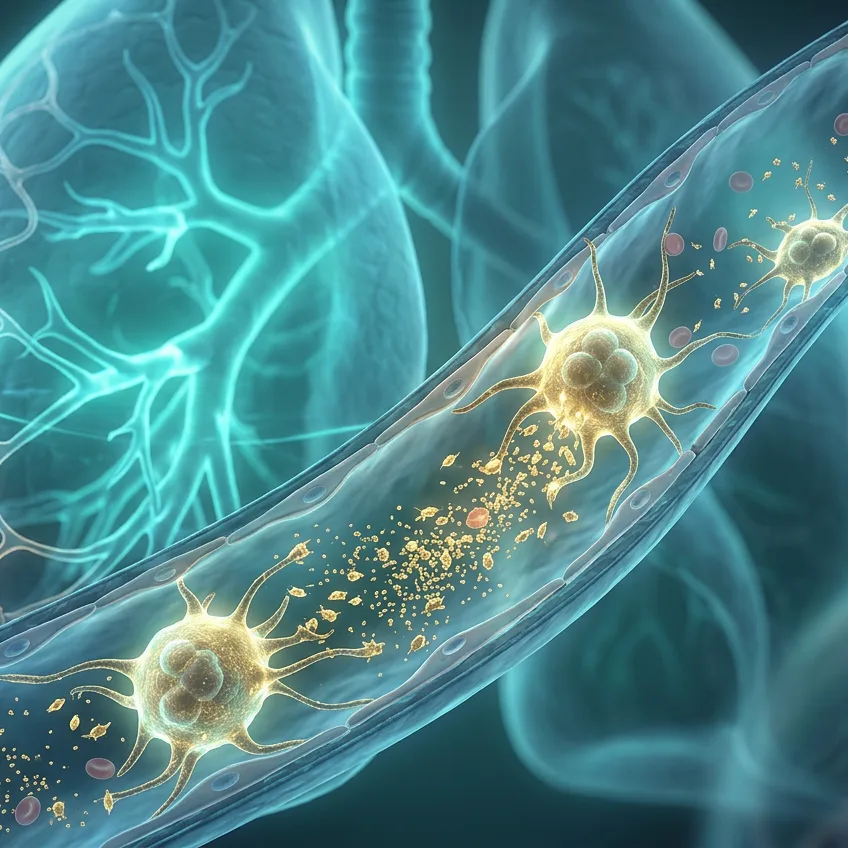
Using cutting-edge two-photon intravital fluorescence microscopy techniques, researchers observed in real time how a vast population of megakaryocytes—the giant progenitor cells of platelets—permanently resided in the pulmonary microvasculature. These cellular giants release more than ten million platelets per hour directly into the bloodstream, taking advantage of the hydraulic pressure and dynamic flow of the respiratory capillaries to fragment their cytoplasm with tremendous efficiency.
In addition, the finding revealed another amazing mechanism:
- Emergency reserve: Faced with a severe shortage of stem cells in the bones, progenitor cells residing in the lungs can migrate to the bone marrow to restore blood production.
- Filter and clotting: The lung ensures that freshly oxygenated blood immediately has the necessary tools to seal hemorrhages and repair tissues throughout the body.
This discovery not only redefines the functions of our respiratory system beyond gas exchange, but also opens promising avenues for treating thrombocytopenia and optimizing lung transplantation techniques.
Source: Nature (Lefrançais et al., 2017 - 'The lung is a site of platelet biogenesis and a reservoir for haematopoietic progenitors')