For centuries, classical anatomy classified the human skeleton as a rigid, passive structure intended solely to protect organs and support muscles. However, at the beginning of the 21st century, research led by geneticist Gérard Karsenty at Columbia University dismantled this paradigm by discovering that bones function as a sophisticated endocrine organ.
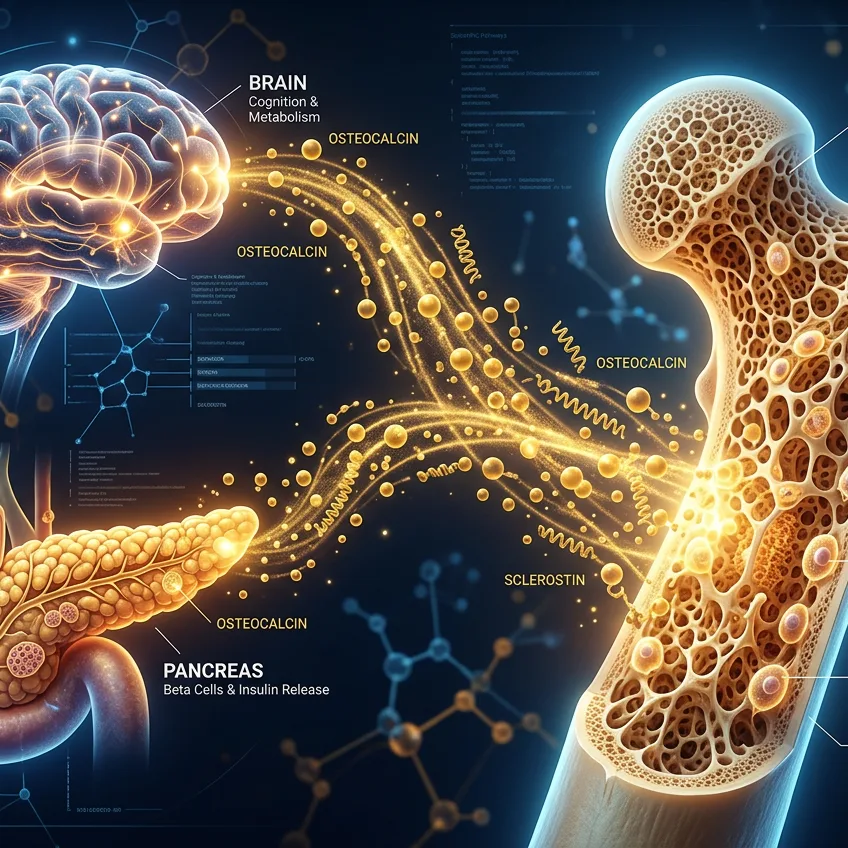
The key lies in osteoblasts, the cells responsible for synthesizing new bone tissue. These cells manufacture a protein called osteocalcin that, when decarboxylated in an acidic environment regulated by osteoclasts, is released into the bloodstream to act as a powerful systemic hormone:
- Metabolism and energy: Osteocalcin travels to the pancreas to stimulate the proliferation of beta cells and increase insulin secretion, while directing adipose tissue to release adiponectin and consume glucose.
- Brain function and memory: This molecule crosses the blood-brain barrier, binds to receptors in the hippocampus, and promotes the synthesis of key neurotransmitters such as serotonin, dopamine, and GABA, improving learning and reducing anxiety.
- Physical performance: During impact or strength exercise, mechanical stress on the bone triggers the release of osteocalcin, allowing muscle fibers to absorb more nutrients and delay fatigue.
This biochemical dialogue explains why a sedentary lifestyle degrades both cognitive agility and metabolic health. Every step, run, or weight lift not only strengthens the mineral density of your skeleton, but also triggers a hormonal cascade vital to keeping your mind sharp and your metabolism balanced.
Source: Cell / Columbia University Irving Medical Center (Research by Dr. Gérard Karsenty on osteocalcin)