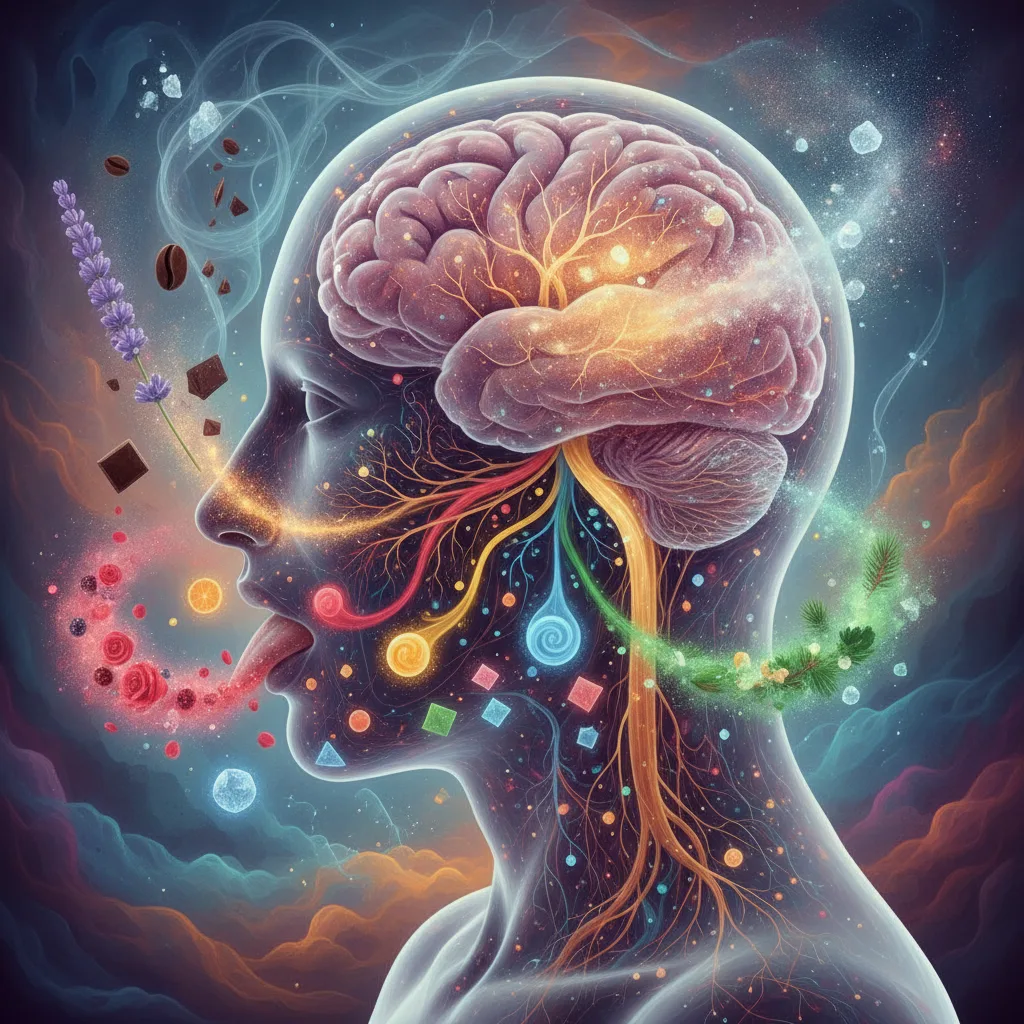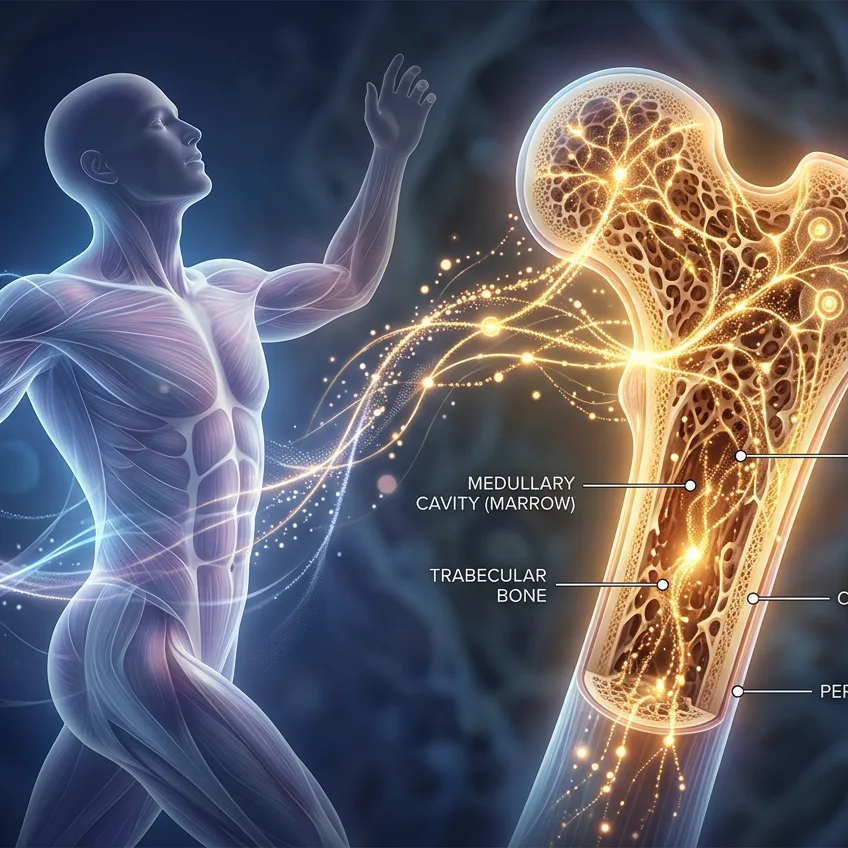
For more than a century, biology taught that the fight-or-flight response was orchestrated almost exclusively by the adrenal glands through the release of adrenaline and cortisol. However, pioneering research from Columbia University led by geneticist Gérard Karsenty revealed that the fastest chemical trigger for this emergency resides in an unexpected place: inside our own bones.
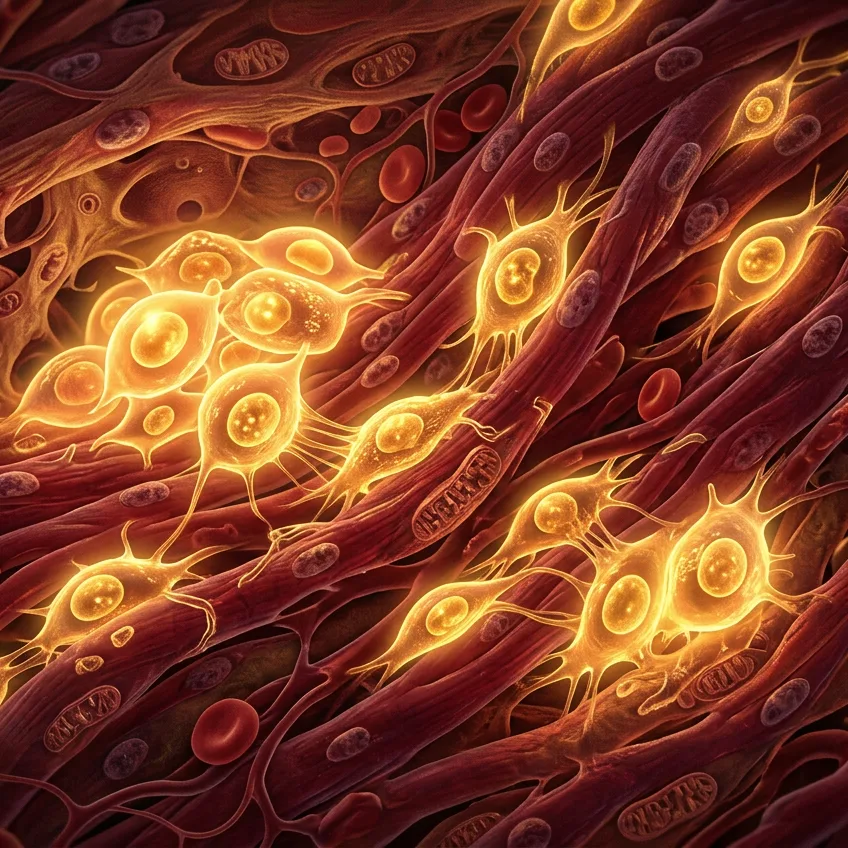
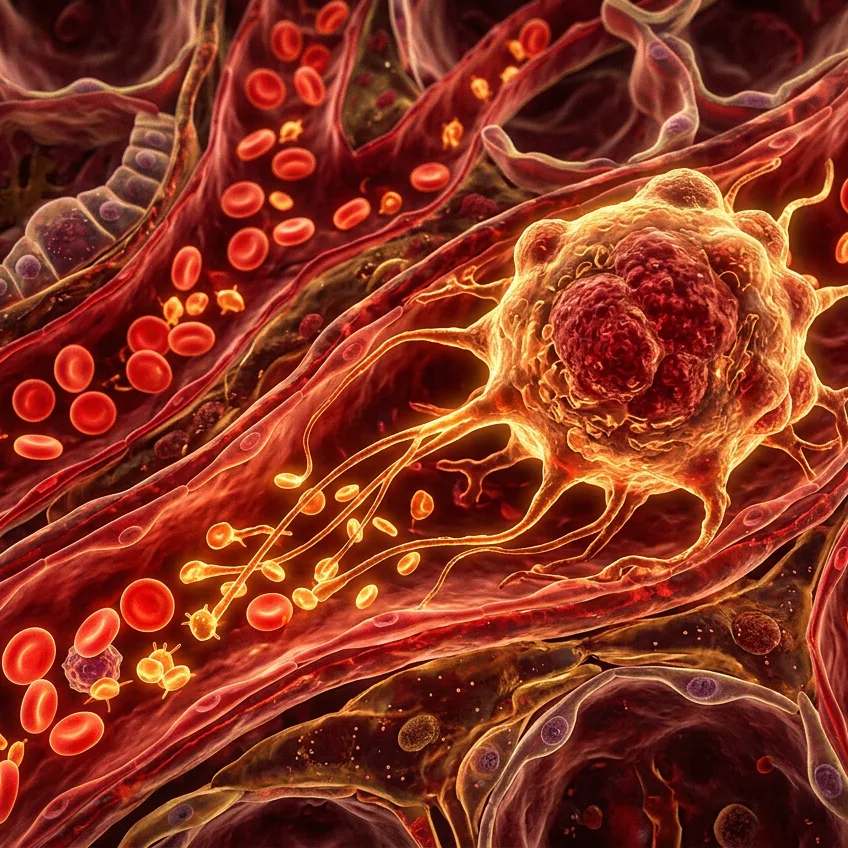
The human skeleton is not a passive mechanical support structure. It is, in fact, a complex endocrine organ. Faced with a sudden threat, the brain's amygdala sends an ultra-fast signal that induces osteoblasts (bone-forming cells) to pour large amounts of a hormone called osteocalcin into the bloodstream in less than 2 minutes.
This hormonal surge plays a decisive physiological role in saving lives:
- Turns off the parasympathetic brake: it blocks neural signals for rest and digestion, allowing the sympathetic system to take absolute control.
- Floods muscles with fuel: it triggers the massive uptake of glucose in muscle tissue to allow running or extreme defense.
- Boosts the cardiorespiratory response: it accelerates heart rate and pulmonary ventilation without relying exclusively on the adrenals.
Trials showed that animals devoid of adrenaline maintain their immediate reaction capacity intact thanks to osteocalcin. Evolutionarily, it makes complete sense: the very anatomical structure that allows us to run and fight is in charge of issuing the alarm order to the entire body.
Source: Cell Metabolism (Study by Karsenty et al., 2019: 'Osteocalcin Signaling Is Necessary to Mount an Acute Stress Response')