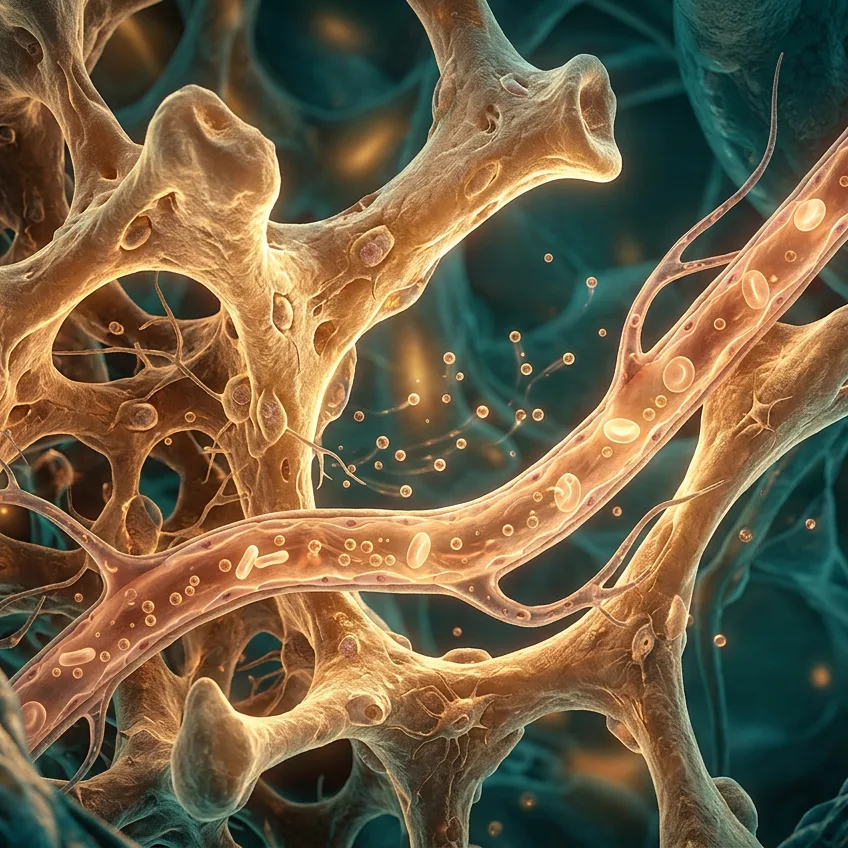
For centuries, classical anatomy considered the human skeleton to be a purely mechanical structure: a rigid calcium framework designed to support organs and enable movement. However, in 2007, a series of pioneering studies led by geneticist Gerard Karsenty at Columbia University revolutionized physiology by demonstrating that bones actually operate as an active endocrine gland.
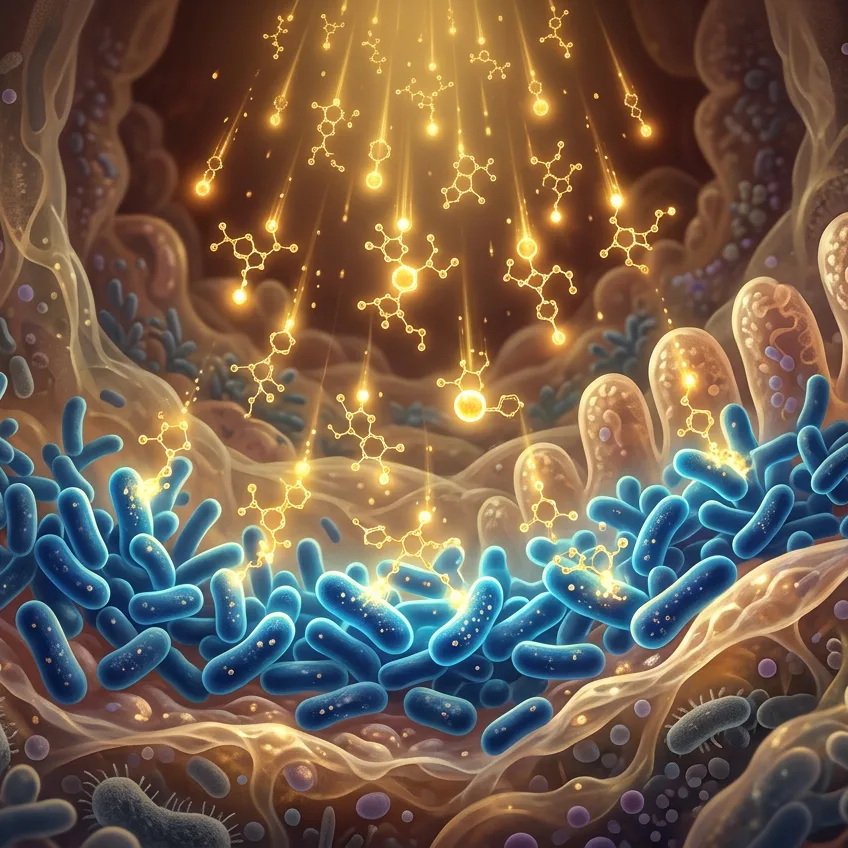
Osteoblasts, the cells responsible for building and renewing bone tissue, do not just assemble minerals; they also produce and release a powerful hormone called osteocalcin into the bloodstream. Far from remaining confined to its place of origin, this molecule travels throughout the body performing vital functions:
- Metabolic regulation: It travels to the pancreas to signal beta cells to increase insulin production, while directly improving glucose uptake in muscles.
- Cognitive function and memory: It crosses the blood-brain barrier and penetrates the brain, where it stimulates neurogenesis in the hippocampus and promotes the synthesis of key neurotransmitters such as dopamine, serotonin, and GABA.
- Immediate survival response: Recent studies have shown that, in the face of a sudden threat, osteocalcin spikes within minutes, deactivating the parasympathetic system to mobilize muscles before adrenaline can fully take over.
This discovery explains why strength and impact exercise not only strengthens bone density, but also triggers a chemical cascade that optimizes cellular metabolism and protects long-term mental sharpness.
Source: Cell / Columbia University Irving Medical Center (Research by the Department of Genetics and Development)