For centuries, anatomy considered the human skeleton a purely mechanical structure: a passive calcium scaffold designed to support organs and allow movement. However, at the beginning of the 21st century, research by geneticist Gérard Karsenty at Columbia University completely transformed endocrinology by demonstrating that bones are, in fact, a vital endocrine gland.
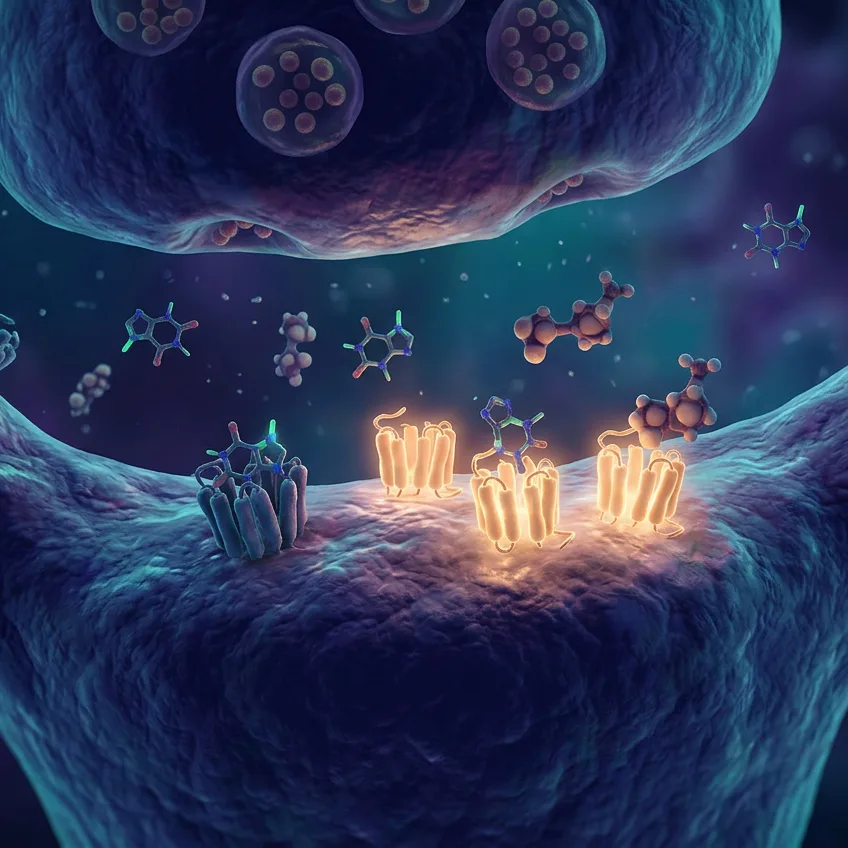
Bone-forming cells, called osteoblasts, secrete a specialized protein known as osteocalcin. Far from remaining anchored in bone tissue, a portion of this molecule enters the bloodstream with astonishing systemic effects:
- Metabolic control: It travels to the pancreas to signal the release of insulin and stimulates muscle and fat cells to consume glucose efficiently.
- Stress response: It activates the immediate fight-or-flight reaction in parallel with adrenaline.
- Cognitive function: It crosses the blood-brain barrier, promotes neurogenesis in the hippocampus, and notably improves spatial memory.
- Physical performance: It stimulates nutrient uptake in muscles during intense exercise.
This finding has transformed the understanding of physical exercise: when we run, jump, or lift weights, mechanical micro-loads slightly deform bone tissue, stimulating osteocalcin production. Maintaining dense, strong bones does not just prevent fractures in old age, but ensures the supply of a key hormone to prevent diabetes and cognitive decline.
Source: Cell / Columbia University Irving Medical Center (Studies by Dr. Gérard Karsenty)