In 2006, a team of scientists from the Pasteur Institute in Paris, led by researcher Catherine Rougeot, discovered a substance in human saliva that transformed our understanding of endogenous pain management: opiorphin. It is a simple peptide of just five amino acids whose ability to block pain signals far exceeds conventional opiates.
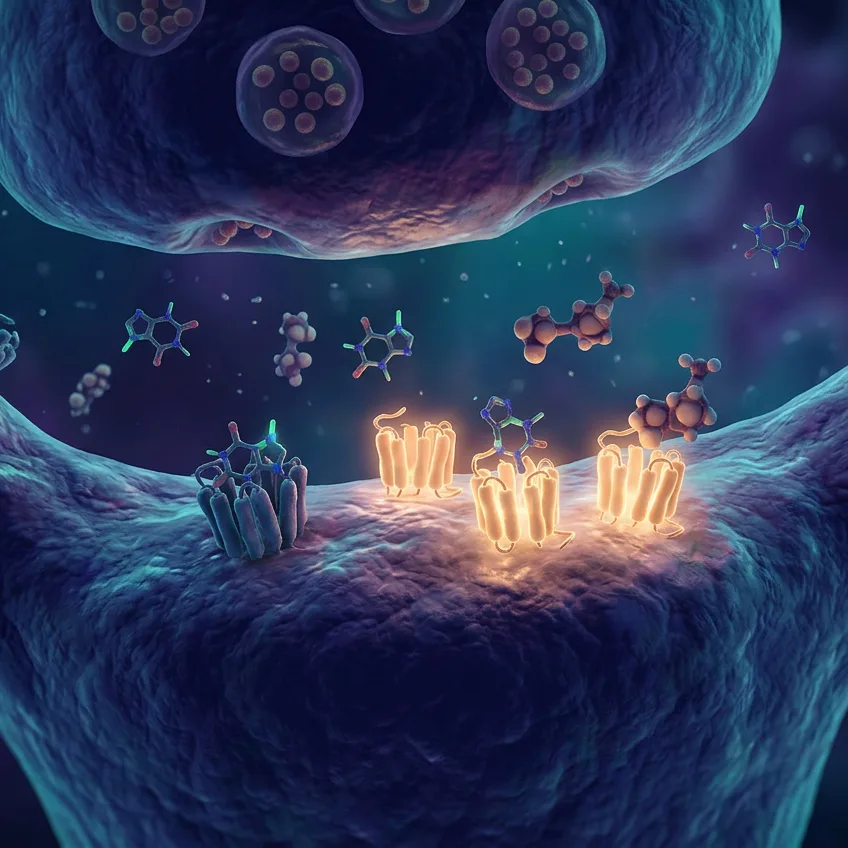
Unlike morphine, opiorphin does not directly activate the body's opioid receptors. Its mechanism of action is much more subtle and efficient: it acts as an inhibitor of two enzymes responsible for destroying enkephalins, the natural painkillers that our own central nervous system releases in response to a physical attack. By temporarily silencing these degrading enzymes, opiorphin allows the body's analgesic defenses to remain active for much longer.
In laboratory tests with animal models, opiorphin proved to require doses up to six times lower than morphine to achieve an equivalent suppression of acute and mechanical pain. The most surprising aspect of this oral chemical shield is that it lacks the main side effects of traditional drugs:
- It does not generate chemical dependence or progressive tolerance.
- It does not cause constipation or digestive problems.
- It does not depress the respiratory center, eliminating the risk of accidental asphyxiation from overdose.
Evolutionary biologists argue that the concentration of opiorphin in the oral mucosa serves as an immediate biological protection, ensuring that the daily act of chewing, swallowing, or suffering oral micro-injuries does not trigger a constant and disabling pain response.
Source: Proceedings of the National Academy of Sciences (PNAS) / Institut Pasteur