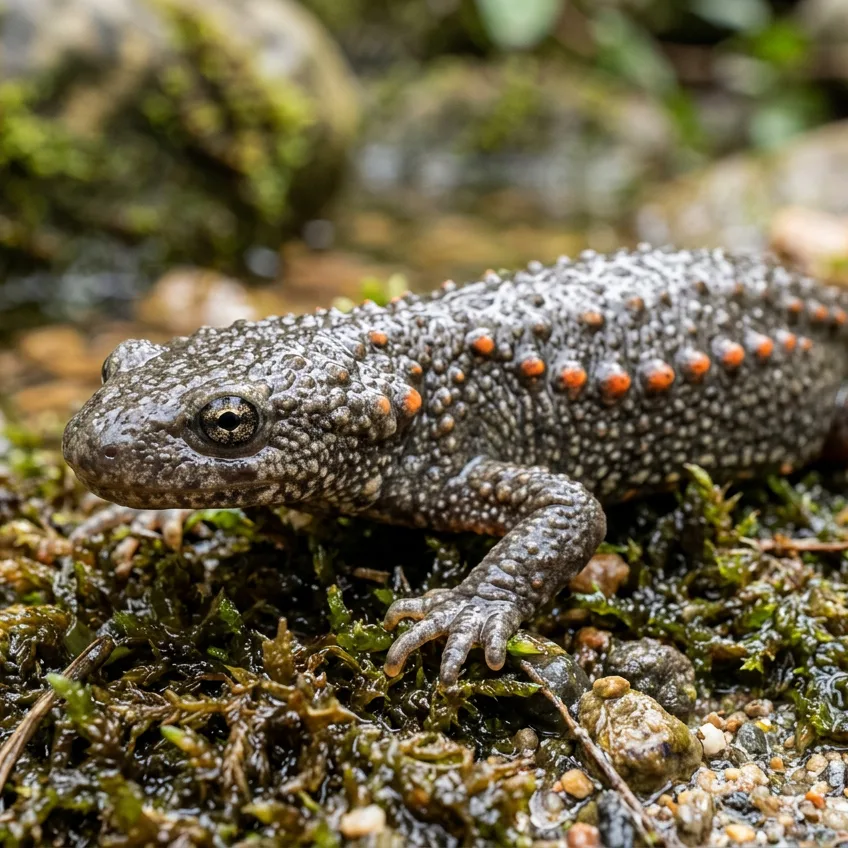
Extreme defensive tactics abound in the animal kingdom, but that of the sharp-ribbed newt (Pleurodeles waltl) borders on medical science fiction. This urodele amphibian, the largest in Europe and endemic to the Iberian Peninsula and northern Morocco, harbors a unique biomechanical mechanism: when threatened by a predator, it can use its own skeleton as a sharp projectile.
The process is as fascinating as it is disconcerting:
- Skeletal projection: By violently flexing its pectoral muscles, the sharp-ribbed newt rotates its ribs forward at an angle of up to 50 degrees, forcing their sharp tips to tear through the sides of its body and emerge outside.
- Combined biological weapon: As they pierce the skin, the bony tips become coated in a toxic secretion released by specialized skin glands, turning each rib into a true poisoned hypodermic needle that injures the attacker's mouth.
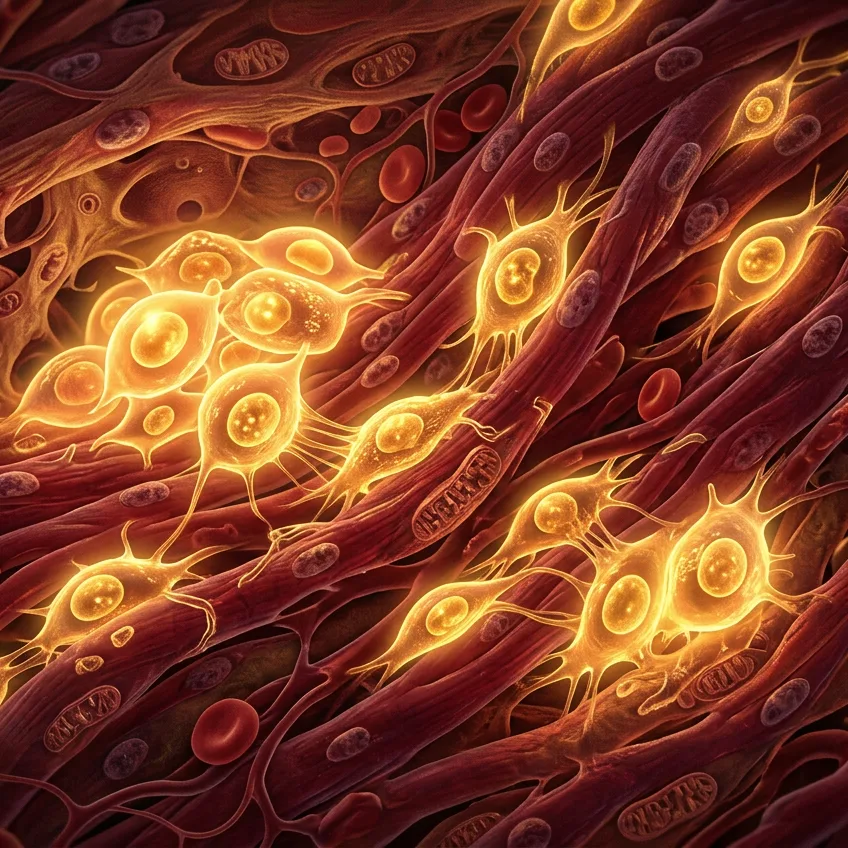
What is truly extraordinary for science lies in what happens next: the sharp-ribbed newt suffers neither infections nor permanent damage. Thanks to an extraordinary cellular regeneration system and a powerful adaptive immune response, its tissues heal completely within days without leaving scars or functional sequelae. This remarkable capacity for skin and tissue self-repair has placed the sharp-ribbed newt at the center of international biomedical studies and space missions aimed at understanding complex wound healing in humans.
Source: Journal of Zoology / Natural History Museum of London (Studies on Pleurodeles waltl)