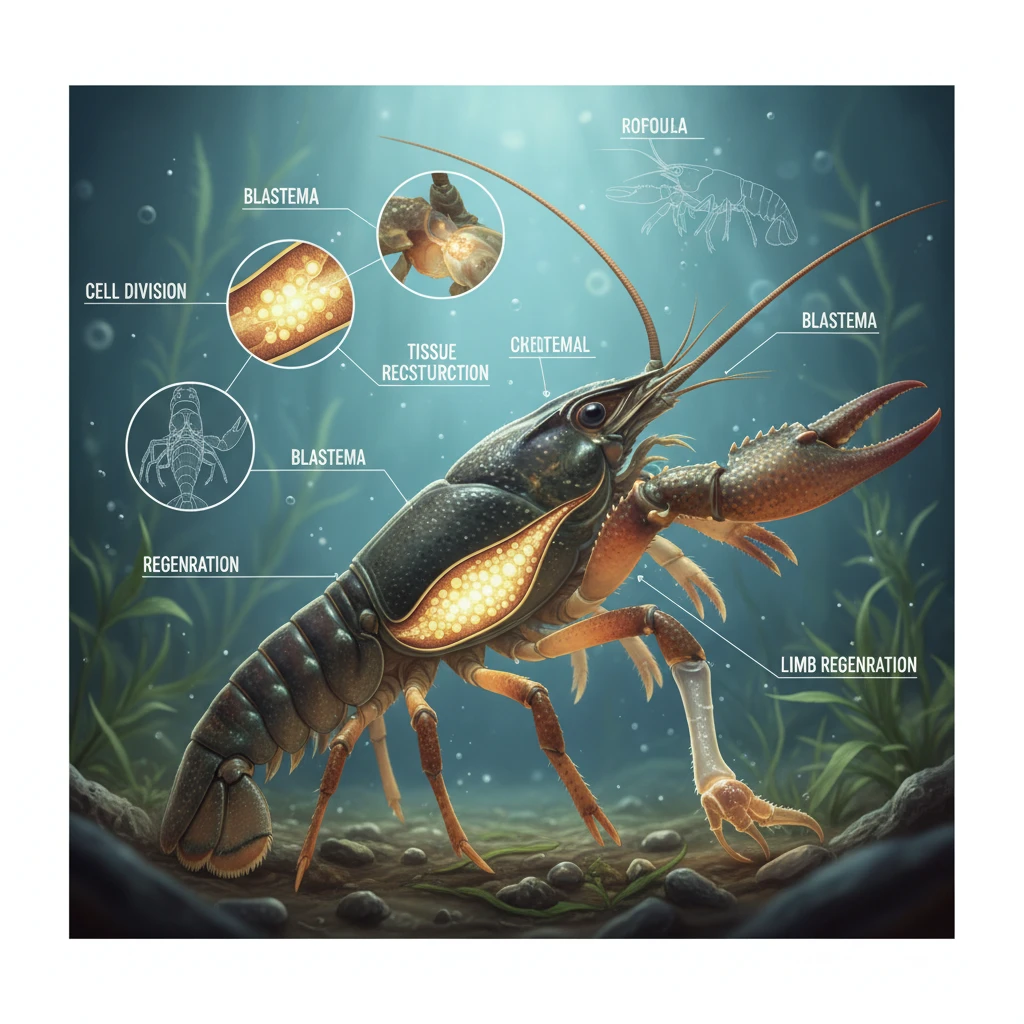
The Australian freshwater crayfish (Cherax destructor) has such an extreme regenerative capacity that it can rebuild its entire body from a single appendage, such as a leg or an antenna, if it contains part of the central nervous system. This process, known as epimorphic regeneration, challenges conventional notions about animal complexity.
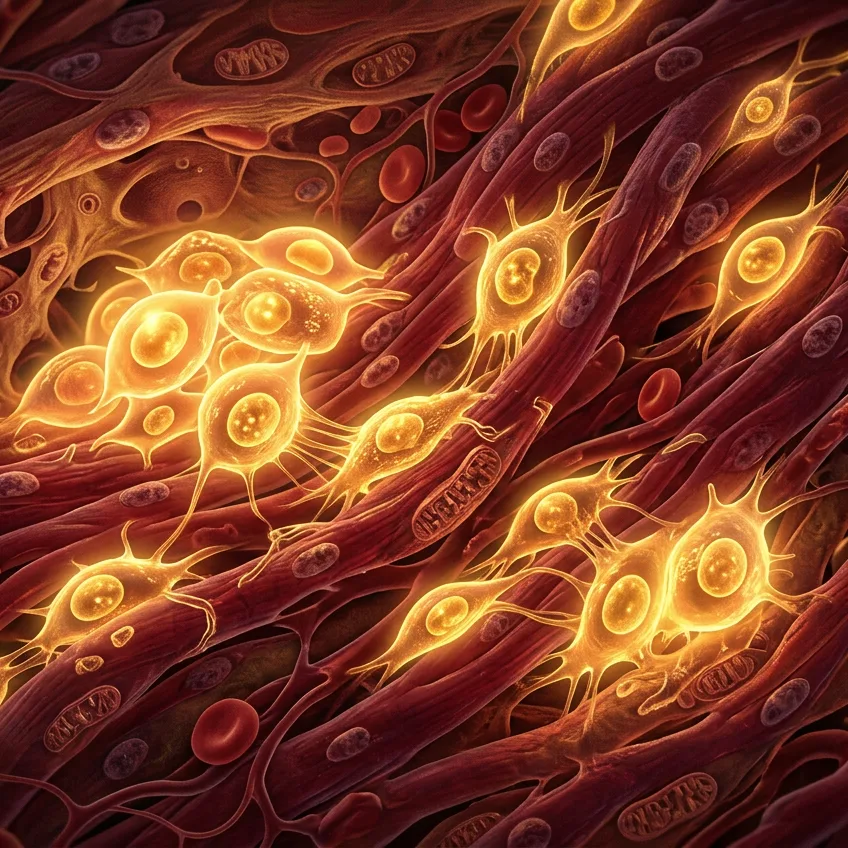
When a predator tears off an appendage, the cells at the stump form a blastemal mass of specialized stem cells. Unlike the salamander, which regenerates limbs, the crayfish can reconstruct everything from soft tissues to complex organs, including parts of the brain and digestive system, from this mass. The process is slow, taking months, but the result is a functionally identical organism.
- Key fact: Crayfish have been documented regenerating entire bodies from a single walking leg.
- Mechanism: The cells in the appendage lose their identity and reprogram themselves, acting as pluripotent stem cells.
- Implication: Studying this process could revolutionize human regenerative medicine, especially in the repair of the spinal cord and complex tissues.
This phenomenon makes this crustacean an invaluable research model for understanding the limits of cellular plasticity and the self-organization of multicellular organisms.
Source: Studies in journals such as 'Development Genes and Evolution' and 'Regeneration' on regeneration in decapod crustaceans.