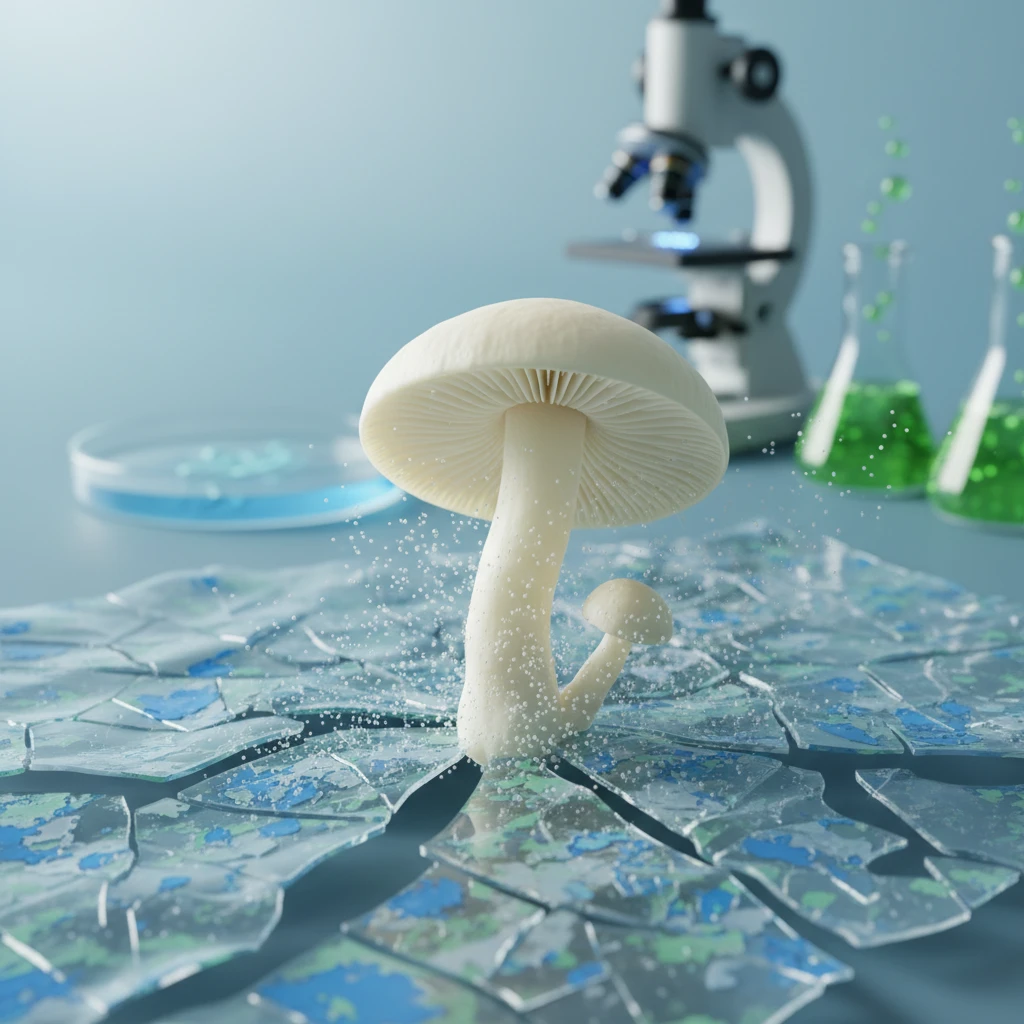
A revolutionary discovery in the field of biotechnology is offering new hope against the global plastic crisis. Scientists from the University of Quebec in Canada have identified a fungus species, Pestalotiopsis microspora, capable of surviving solely by feeding on polyurethane, one of the most common and difficult plastics to recycle.
Most surprisingly, this organism can achieve this feat under total anaerobic conditions, that is, without oxygen, which would make it perfect for functioning at the bottom of large-scale landfills. The fungus breaks down the molecular chains of plastic using enzymes it produces naturally, transforming it into harmless organic compounds.
- Degradation speed: It can break down a plastic bag in just 14 weeks.
- Allied species: Other fungi such as Aspergillus tubingensis and Pleurotus ostreatus (the oyster mushroom) also show similar abilities with different polymers.
- Practical application: Researchers are developing portable "bioreactors" packed with spores to clean rivers and oceans.
Although the technology is still in the experimental phase, this natural mechanism could scale up to create biological recycling plants that complement traditional methods. The research, published in the journal Applied and Environmental Microbiology, highlights that the key lies in harnessing and boosting the enzymes that these fungi produce naturally, without the need for complex genetic modifications.
Source: Applied and Environmental Microbiology (2016). "Fungal Biodegradation of Polyurethane". American Society for Microbiology.