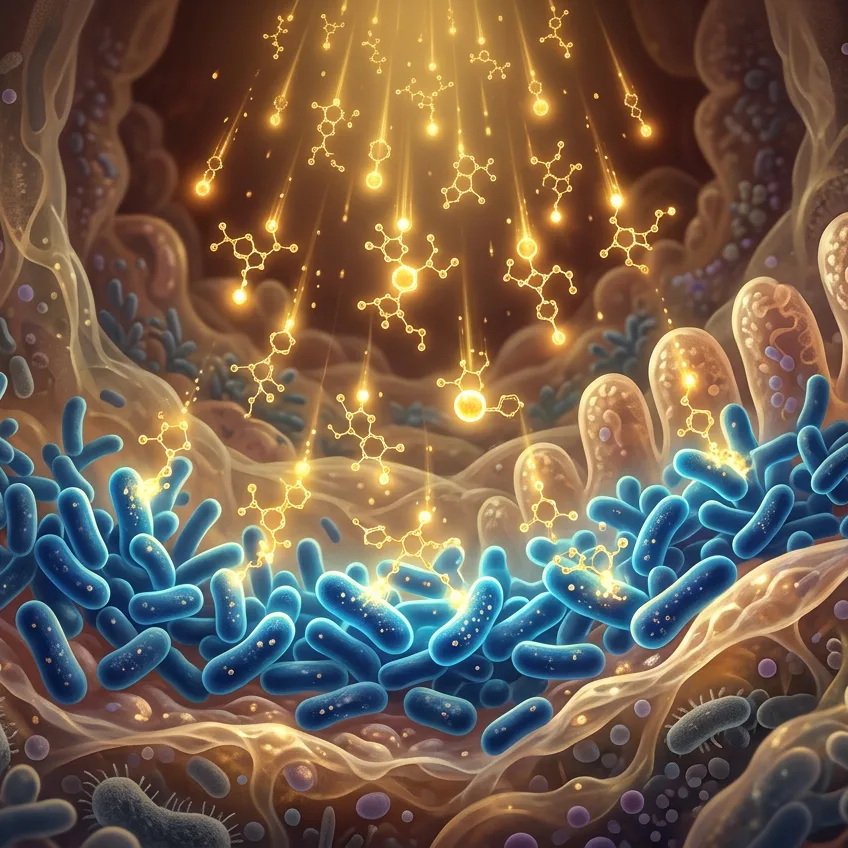
Scientists from the University of California discovered that water trapped in ancient glaciers is not just pure ice, but a living archive of past ecosystems. In 2021, samples taken from Taylor Glacier in Antarctica contained viable microorganisms from 700,000 years ago, including bacteria, algae, and archaea that had survived in a state of suspended animation.
Most surprisingly, these microorganisms do not just revive upon thawing, but they reconstruct complex symbiotic relationships. When appropriate conditions are recreated in the laboratory, they form microscopic communities that carry out complete biogeochemical cycles, including nitrogen fixation and the decomposition of organic matter.
- Ice acts as a perfect biological time capsule
- Microorganisms produce natural cryoprotectants that preserve them
- Some strains show resistance to modern antibiotics
This research has profound implications for astrobiology, suggesting that life could be preserved in planetary ice such as on Mars or moons of Jupiter. It also raises questions about how melting ice caused by climate change might release ancient organisms into modern ecosystems.
Source: Study published in Nature Microbiology (2021) by the University of California team, supplemented by research from the U.S. Antarctic Institute.