If you place a finger under your nose and exhale gently, you will most likely notice that the airflow comes almost entirely from just one nostril. This phenomenon is not due to an accidental blockage, but rather to a sophisticated physiological process known as the nasal cycle, first scientifically documented by the German physician Richard Kayser in 1895.
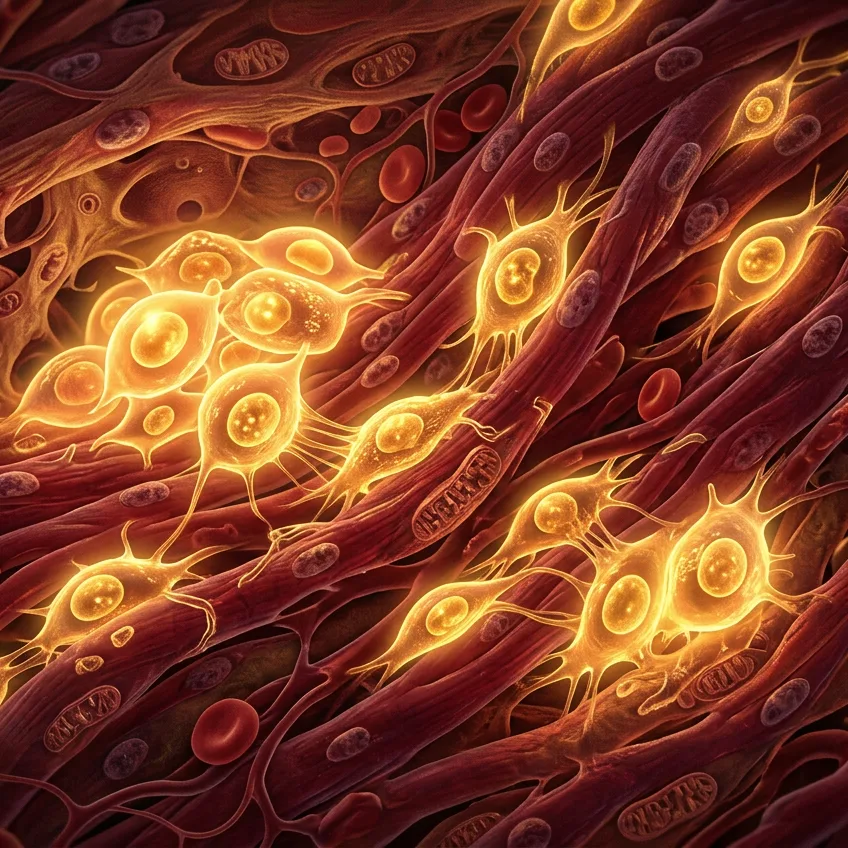
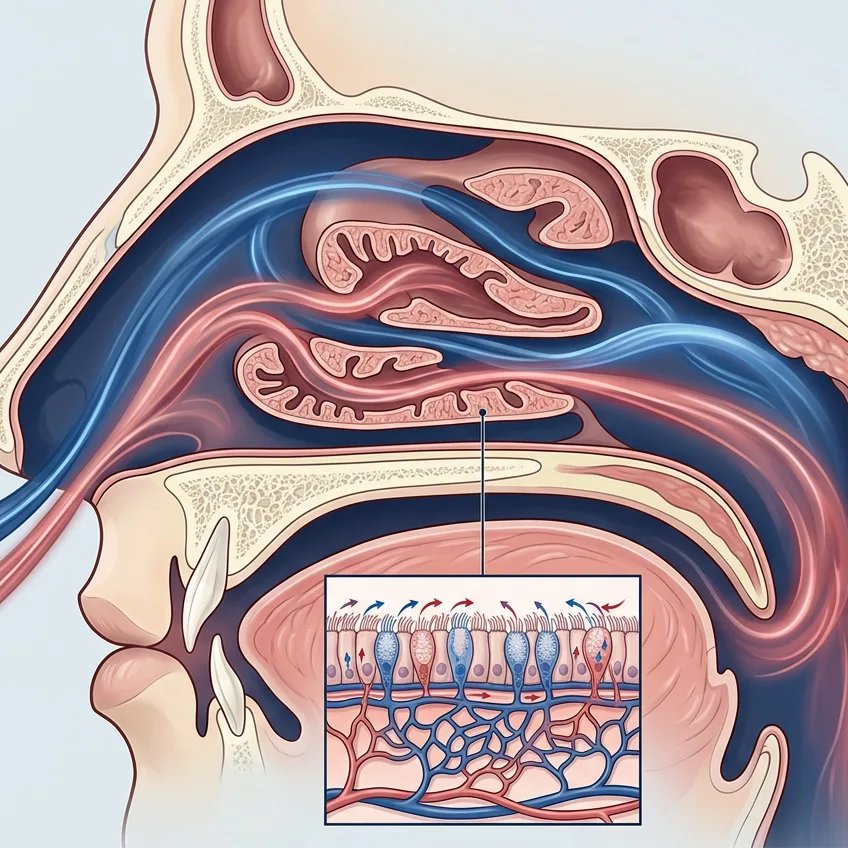
Throughout the day, the autonomic nervous system rhythmically alternates airflow between both nostrils every two to six hours. To achieve this, the body uses an amazing anatomical mechanism: the nasal turbinates contain erectile tissue composed of venous sinusoids that, when filled with blood under parasympathetic direction, deliberately congest on one side while the opposite side decongests through sympathetic action.
This rhythmic alternation serves two essential functions for your well-being:
- Epithelial protection and regeneration: The resting nostril takes advantage of the reduced airflow to rehydrate its mucosa, allowing the tiny cellular cilia to clean themselves and repair the defensive barrier against bacteria and allergens without drying out.
- Smell calibration: Aromatic compounds dissolve in the mucosa at different rates. The high-flow nostril processes quickly absorbed odor molecules, while the low-flow nostril detects those that require more contact time with the receptors.
When you have a cold, generalized inflammation makes this natural cycle obvious, explaining why congestion seems to magically jump from one side of your nose to the other.
Source: The Laryngoscope (Kayser, 1895; Eccles, 1996) / Nature Neuroscience