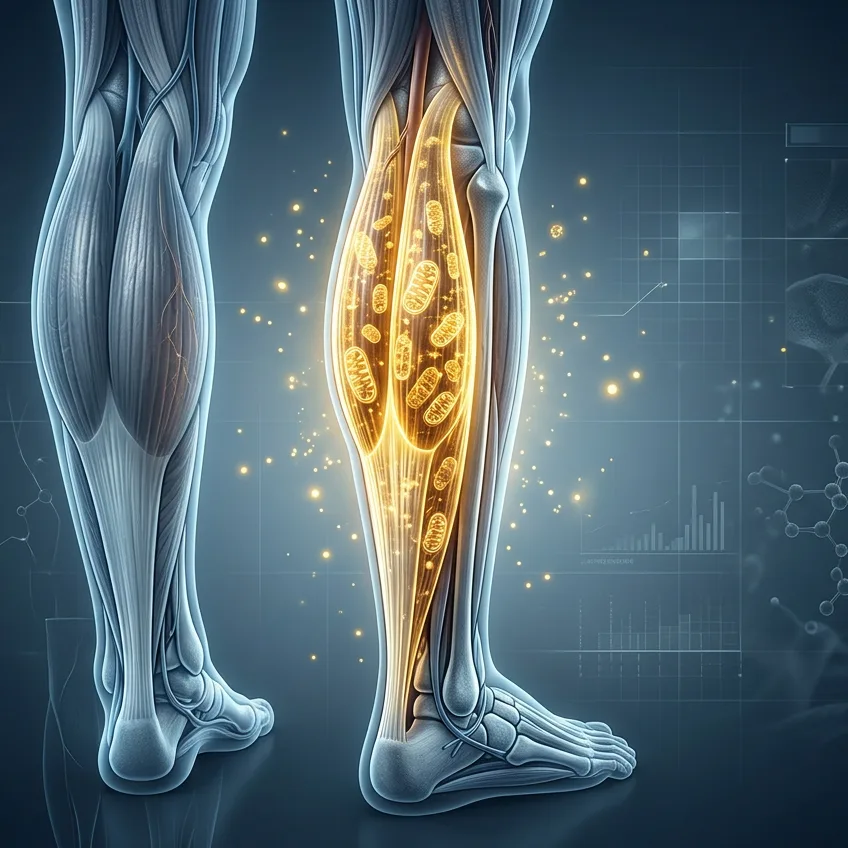
Located on the back of the leg, just behind the gastrocnemius, lies the soleus muscle. Although it accounts for only about 1 % of total body weight, science has recently discovered that it possesses an extraordinary bioenergetic design, radically different from almost any other skeletal muscle.
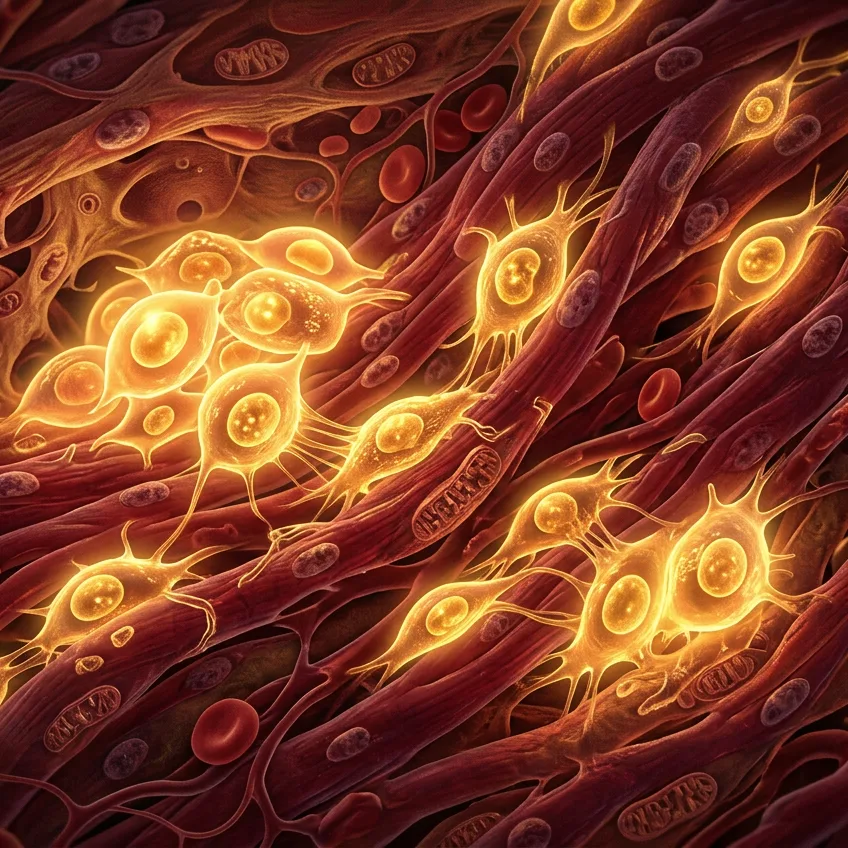
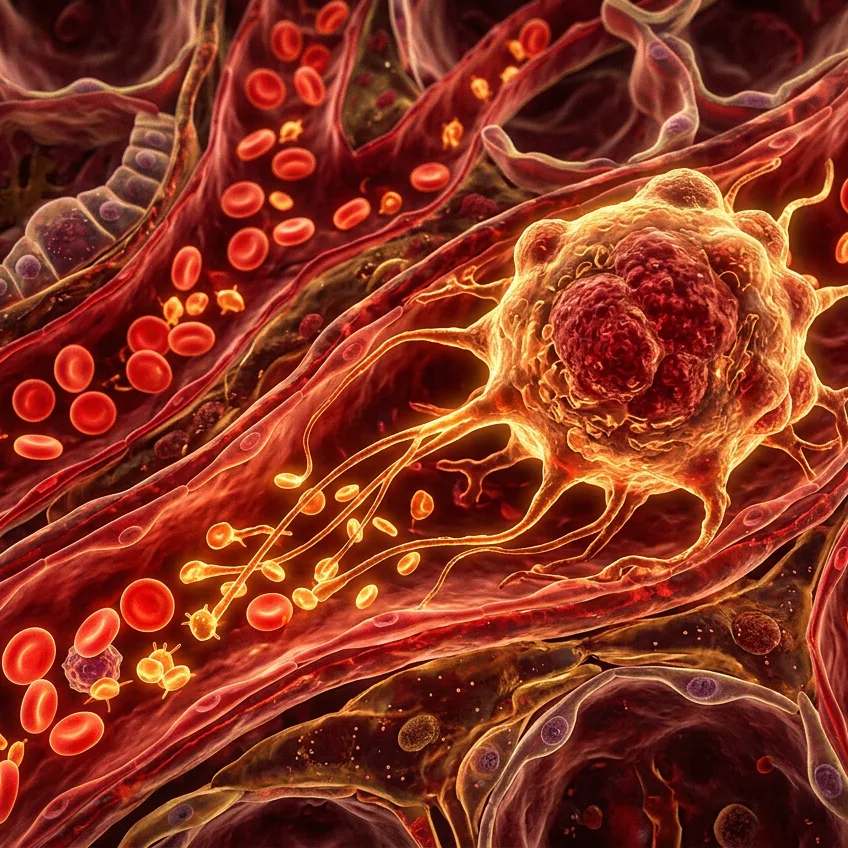
In 2022, a team of researchers from the University of Houston, led by Dr. Marc Hamilton, demonstrated that the soleus is composed almost entirely of slow-twitch fibers with a disproportionately high mitochondrial density. Unlike other muscles that rely on intramuscular glycogen to contract (which causes rapid fatigue and metabolite buildup), the soleus preferentially pulls glucose and lipoproteins directly from the bloodstream.
Clinical trials revealed remarkable results:
- Through a rhythmic seated movement called the soleus pushup (heel raise with soleus flexion), this muscle can remain active for continuous hours without reaching exhaustion.
- Sustained soleus activation managed to reduce blood glucose fluctuations by 52 % after food intake.
- It decreased the insulin requirement by 60 % and doubled the normal rate of fat oxidation between meals.
This finding redefines the physiology of sedentary behavior: a tiny muscle group, activated with minimal biomechanical expenditure, acts as a potent metabolic reactor capable of preventing cardiometabolic disorders without leaving your desk.
Source: iScience (Cell Press) / University of Houston (Hamilton et al., 2022: 'A potent physiological method to magnify and sustain soleus oxidative metabolism improves glucose and lipid regulation')