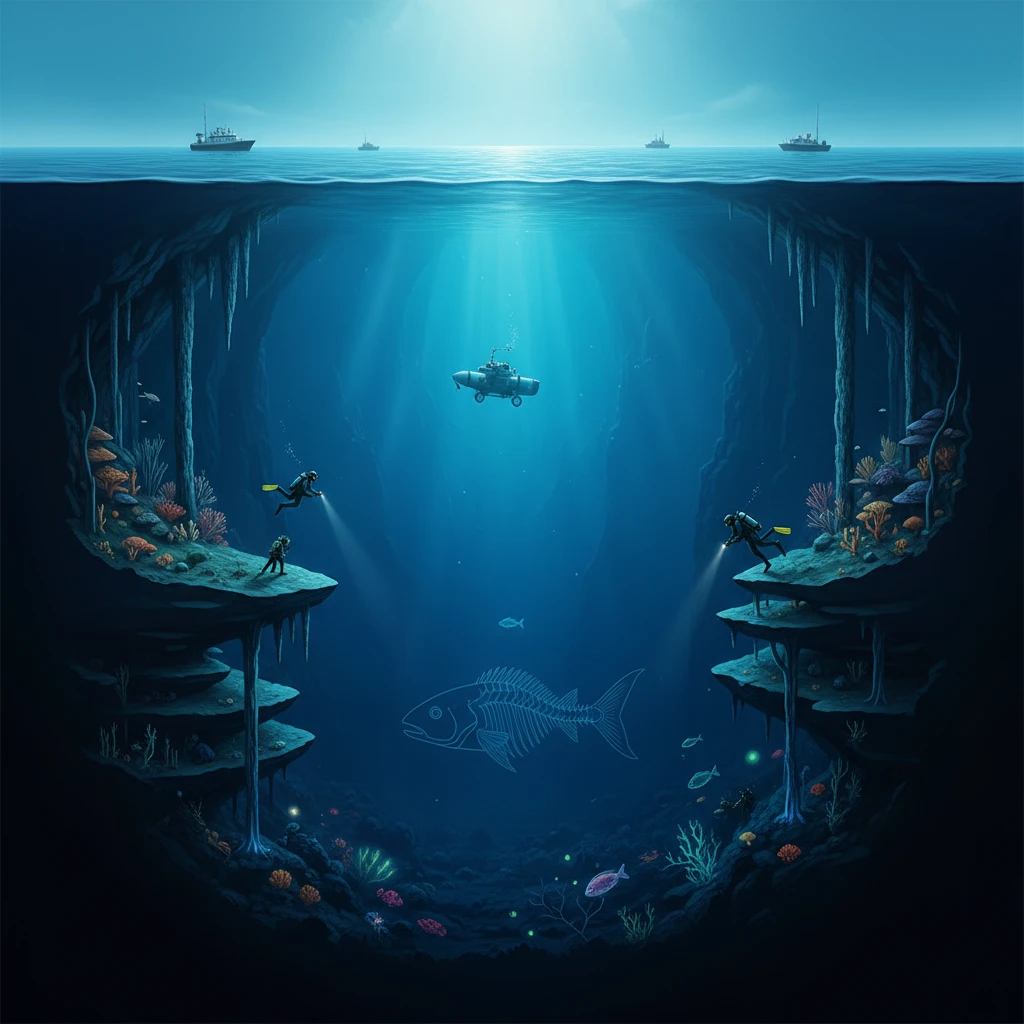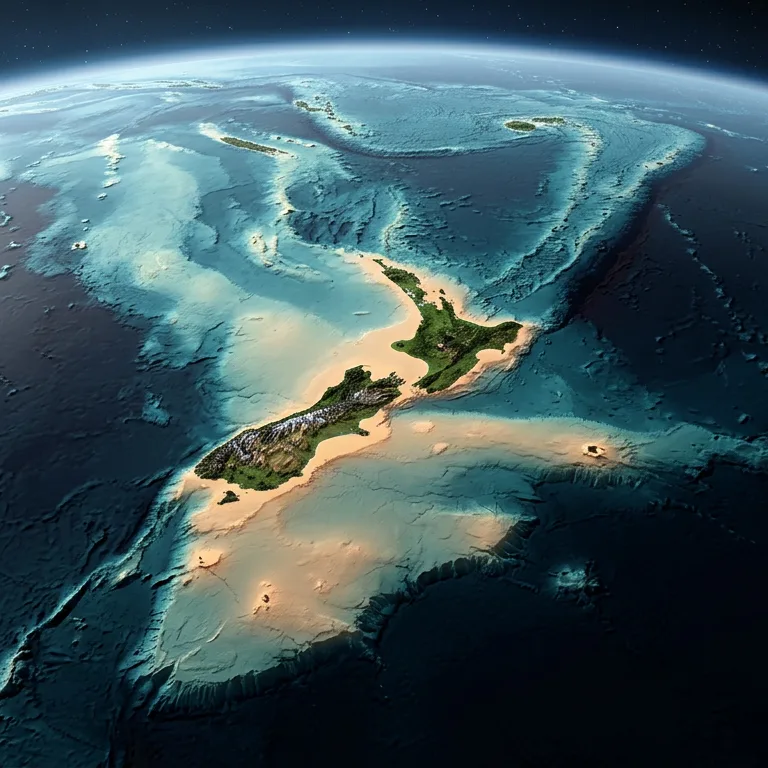
For generations, traditional geography taught that Earth harbored seven continents. However, in 2017, research led by geologists from the GNS Science institute of New Zealand confirmed the existence of an eighth member: Zealandia (or Te Riu-a-Māui), a colossal continental mass of 4.9 million square kilometers—a territory larger than the European Union—that lies 94% submerged beneath the southwest Pacific.
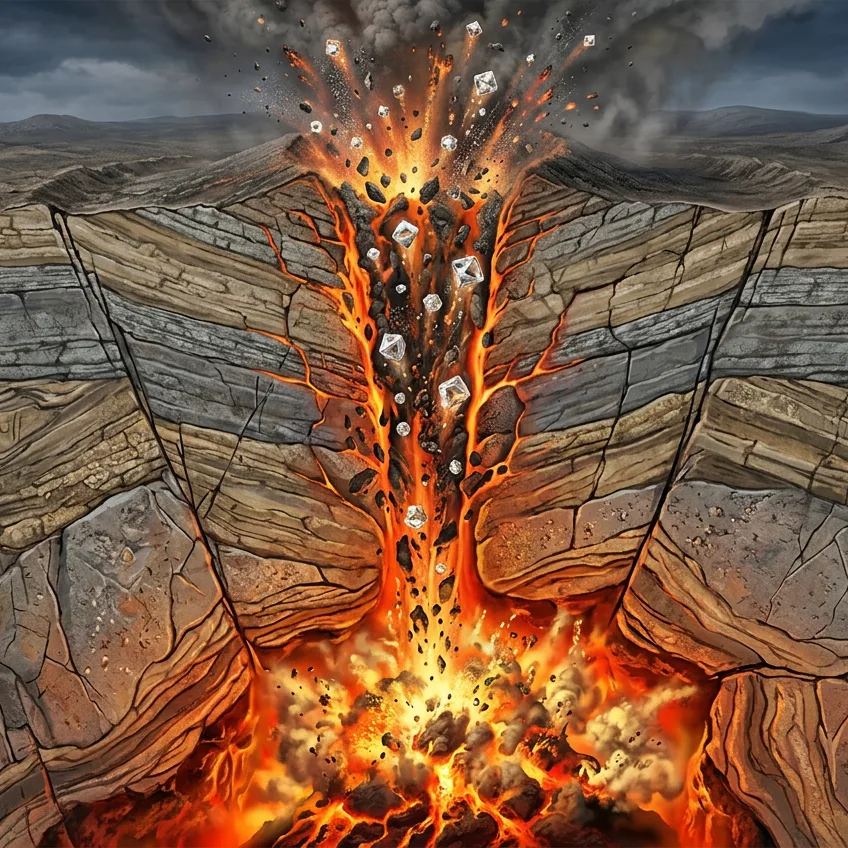
Unlike the surrounding seabed, composed of dark, dense, and thin volcanic basalt, Zealandia is made of genuine continental crust. Its structure incorporates granites, greywackes, and metamorphic rocks with a crustal thickness between 10 and 30 kilometers, notably greater than the meager 7 kilometers typical of abyssal oceanic crust. The scientific community verified that it meets the four key geological pillars: elevation above the oceanic plain, silica-rich lithology, clearly delimited structural boundaries, and a landmass that triples the threshold of any microcontinent.
Why did it end up buried underwater? About 85 million years ago, during the breakup of the supercontinent Gondwana, colossal tectonic forces stretched and thinned the Zealandia plate before separating it from Australia and Antarctica. As it lost thickness, the rock lost isostatic buoyancy and collapsed vertically below sea level. Today, the only mountain ridges that manage to pierce the ocean surface are New Zealand and New Caledonia, visible testimony to a submerged continent that rewrote contemporary plate tectonics.
Source: The Geological Society of America (GSA Today) - 'Zealandia: Earth’s Hidden Continent' (Mortimer et al., 2017)