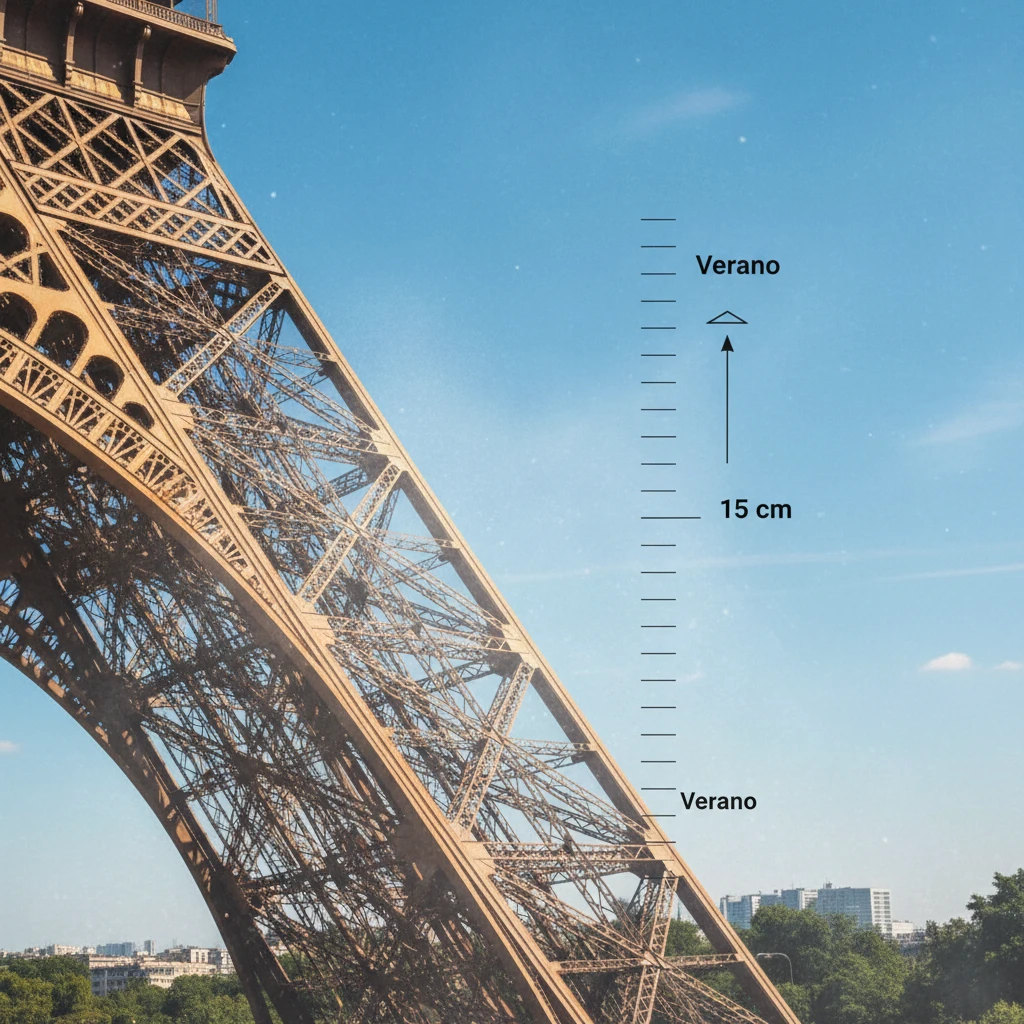
Erecting a bridge across the Tarn River valley in southern France posed a technical abyss: the deck had to cross the canyon at 270 meters of height on colossal piers, the tallest of which measures 245 meters (surpassing the Eiffel Tower in total height when adding its mast). Erecting scaffolding at such a scale was impossible, so engineers resorted to an unprecedented maneuver: assembling the 36,000-ton steel deck on solid ground and sliding it out over the abyss.
To cross spans of up to 342 meters without the steel bending under its own weight in midair, temporary intermediate support towers were built. The advance was carried out using a sophisticated system of incremental launching hydraulic jacks located atop each pier. Each jack slightly lifted the deck, pushed it 600 millimeters forward, and lowered it again to restart the cycle, advancing at a painstaking pace of about 9 meters per hour.
The two halves of the viaduct advanced simultaneously from both ends of the valley, controlled by laser sensors and computers that corrected millimeter deviations caused by wind and thermal expansion. In May 2004, after months of sliding suspended above the clouds, both sections met in the exact center with a deviation of barely 1 centimeter, cementing one of the greatest feats of modern structural engineering.
Source: Eiffage / Structurae (International Database and Gallery of Structures)